MVP Development Company for Startups worth testing.
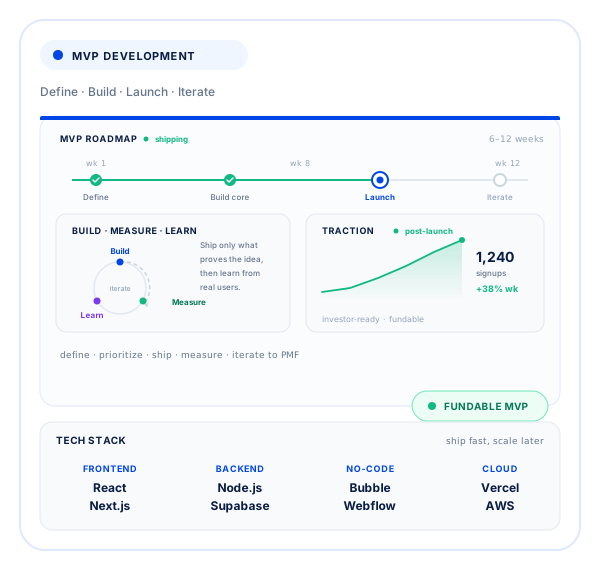
Validate the core product idea with a working release in 6 to 12 weeks. We narrow the scope, build the essential user flows, launch to real users, and use the results to shape what comes next.
- 6-12 wks
To launch
- 100+
MVPs shipped
- 10+
Years experience
- 95%
Client retention
Test the core idea before you Scale the Build.
Have a business idea? We build a minimum viable product, a focused, functional version with just the essential features, so you can test viability and gather real user feedback before full-scale investment. We document the problem, audience, and what success looks like before any design or code begins.
Too much scope
Large feature lists delay the one thing an MVP needs to do: test the core assumption with real users.
Weak validation
A polished product has little value if the team has not tested the problem, audience, or willingness to use it.
No product evidence
Without a usable product, customer conversations and investor discussions rely on assumptions instead of evidence.
MVP Development Services for Startups, from scope to real-user feedback.
Our MVP development services help startups choose the smallest useful release, build it quickly, launch it to real users, and collect the evidence needed for the next product decision.
Single-feature MVP
Build the one product flow that tests the main value proposition with the least unnecessary scope.
No-code MVP
Use no-code tools when the first test does not need custom architecture or deep product logic.
Concierge MVP
Keep complex operations manual behind a simple user experience when that is enough to test demand.
Landing-page MVP
Test signups, interest, or willingness to pay before investing in a full application.
Clickable prototype
Use an interactive prototype to test navigation, workflows, and product understanding before engineering begins.
Launch-ready MVP
Ship a production-ready core product with the essential workflows, analytics, and infrastructure for real users.
From Product Hypothesis to real-user evidence.
A focused MVP process that turns one product hypothesis into a working release, measurable user behavior, and a clear decision about what to build next.
- 01
Define
We clarify the problem, target user, core assumption, and the result the MVP needs to measure.
- 02
Prioritize
We remove features that do not affect the test and keep only the workflows needed for the first decision.
- 03
Build core
We build the core product in short iterations with regular reviews of working software.
- 04
Launch
We release to the intended users as soon as the core workflow is ready to test.
- 05
Measure
We track the actions that show adoption, drop-off, conversion, or repeat use.
- 06
Iterate
We use user behavior and direct feedback to decide what to improve, add, remove, or stop.
Technology for a Production-Ready MVP.
We choose the stack according to the product test, integration needs, expected growth, team ownership, and the parts of the MVP that need to remain after validation.
Built to answer the Product Question.
An MVP should reduce uncertainty without creating a throwaway codebase. We keep scope tight, make the product measurable, and leave a clear path for the next release.
Faster evidence
A narrow first release gets the product in front of users sooner, so the team learns before committing a larger budget.
Controlled scope
Every feature needs a reason to exist in the first test. Work that does not affect the decision stays out of scope.
Working product, not slides
A usable product gives customers, stakeholders, and investors something concrete to evaluate.
A clean next step
We keep the architecture, tests, documentation, and ownership clear enough for validated work to continue into the next release.
Industries we serve
Ideas turned into Working Products.
View all case studiesExplore products where our engineers turned early requirements into working software, solved technical constraints, and prepared the product for real users.
Centralizing Sales Communication with an AI-Powered CRM System
An AI-powered CRM that brings calls, WhatsApp, SMS, and email into one platform, automatically captures leads, triggers follow-ups, and gives sales managers complete visibility into pipeline performance and team activity.
View case study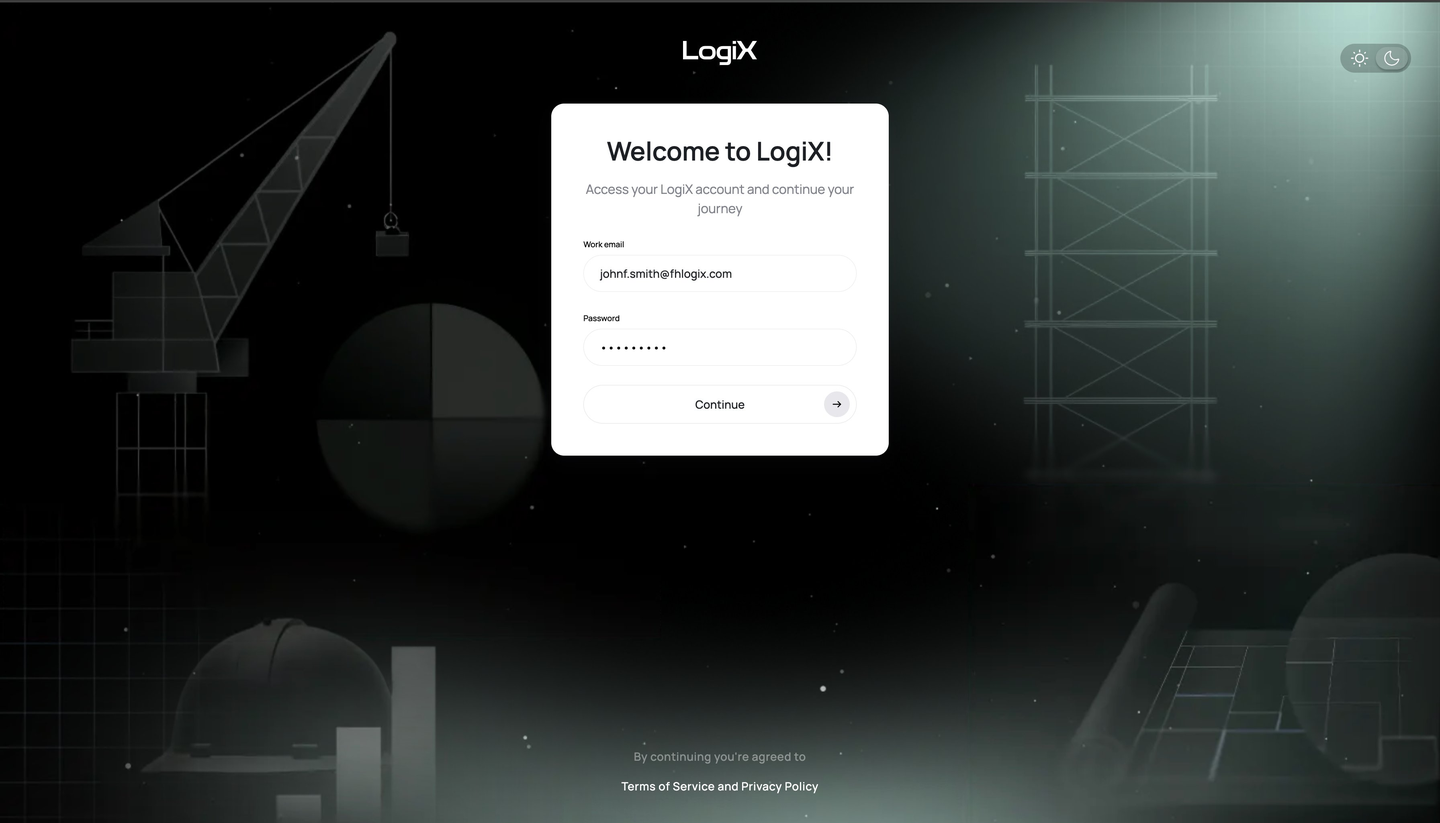
Contract Review Platform
A document management system provides a variety of add-on modules, such as a contract engine and payment engine that detect discrepancies, anomalies, and potential problems within the documents.
View case study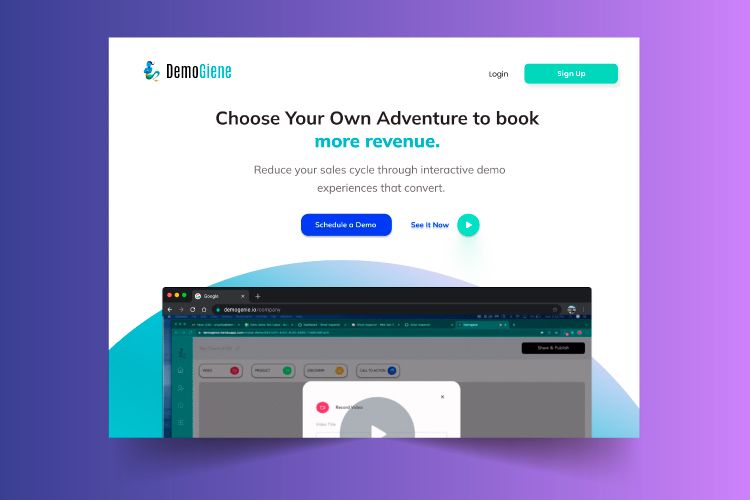
Customer Journey Platform
The platform enables teams to create interactive walkthroughs for product flows, and guided experiences while gaining valuable insights into user interactions, engagement, and behavior throughout every digital experience.
View case study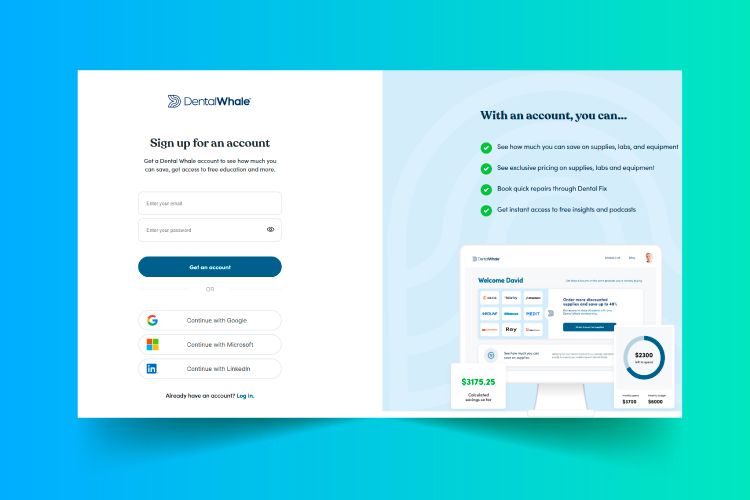
Dental Practice Management
A complete dental business management platform that enables practices to manage procurement, equipment services, laboratory workflows, training, business analytics, and practice operations efficiently from one centralized, integrated system.
View case study
MVP Development questions, answered.
What is an MVP in software development?
An MVP is the smallest version of a product that still solves the core problem for a real user. It ships with the one or two flows that prove demand, plus the analytics needed to read the result. Everything else waits until the data says it is worth building.
How much does it cost to develop an MVP?
Most MVPs land between $10,000 and $100,000, driven by the number of user flows, integrations, and compliance work involved. MVP software development services are priced the same way here: a fixed first scope, then priced additions. We define the core first, then quote that scope, so the budget does not drift mid-build. Anything discovered later is a separate, priced decision.
How long does it take to build an MVP?
A focused MVP usually takes 6 to 12 weeks from kickoff to a build real users can touch. Any MVP app development company promising two weeks is either cutting scope without telling you or shipping a prototype. Wider scope, regulated data, or several third party integrations push that toward 4 to 6 months. The first two weeks go into cutting scope, which is what protects the timeline.
What is the purpose of an MVP?
To test whether people want the product before a full budget is committed to it. A good MVP answers one commercial question, such as whether users will sign up, pay, or come back. The output is evidence you can take to customers and investors, not just a demo.
What's an example of an MVP?
Airbnb started as a simple site listing air mattresses in one apartment, which was enough to test whether strangers would pay to stay in a home. Dropbox tested demand with a recorded walkthrough before the sync engine existed. Both proved the core assumption before the full platform was built.
What are the key parts of a good MVP?
One core flow that solves a real problem, an interface simple enough to use without training, and instrumentation that shows what people actually did. Authentication, payments, and admin tooling come in only where the test needs them. Anything that cannot change the decision is cut.
How do you decide which features to include?
We write down the hypothesis the MVP has to prove, then keep only the features required to prove it. Everything else goes on a parked list with a clear trigger for when it earns a place in the roadmap. That list becomes the post launch backlog.
How do I choose an MVP development company?
Ask who actually writes the code, how scope gets fixed, and what happens when an estimate slips. Whether a vendor calls itself an MVP development agency, an MVP software development company, or a bespoke MVP development company, ask the same three questions. Look for senior engineers on the build rather than a sales team fronting juniors, a named technical lead, and references you can call. A good MVP development company will also tell you what it plans to leave out and why.
Do you work with startups based in the US?
Yes. Coding Crafts is a US registered company and a startup MVP development company first; when you compare any MVP development company in the USA, ask about time-zone overlap and who owns the code. We work with startups across the US, with daily overlap in US business hours for standups, demos, and reviews. Contracts and IP assignment are written so your company owns the deliverables.
Should we build an MVP or use an off the shelf product?
If an existing tool already covers the workflow, use it and put the money into finding customers. Build when the core of the product is your differentiator, when the data model does not fit an existing tool, or when per seat pricing breaks your unit economics. Plenty of teams start on no code platforms, then rebuild the parts that hit a ceiling.
What happens after the MVP launches?
You collect two to four weeks of real usage data, then make a call: iterate on the current build, rebuild the part that will not scale, or stop. Either way you get the repository, infrastructure, and documentation, so an in house team can pick it up. Teams that keep going usually move into a longer product engineering engagement with the same engineers.
Who owns the code and IP for our MVP?
You do. IP assignment is in the contract, and wherever possible the code sits in your repository and cloud accounts from the start. That covers designs, infrastructure definitions, and the documentation written during the build.
Build the smallest MVP.
Start with a no-obligation 40-hour trial and see how we turn concepts into functional MVPs that help you test, learn, and move faster. If the work earns your confidence, pay for it and keep going. If it does not, you owe nothing.
Latest Insights.
View all postsPractical guides from our team on MVP planning, product validation, software engineering, launch decisions, and building the next release from real evidence.