A Python Development Company for backends, data systems, and AI products.
Build Python applications, APIs, data pipelines, automation, and AI systems with Django, FastAPI, modern data tooling, and production practices your team can maintain after handover.
- 100+
Projects delivered
- 10+
Years experience
- 95%
Client retention
- 5x
Faster releases
Python Development Services for systems that outgrew prototypes
Python makes it easy to prove an idea quickly. The problems begin when scripts, notebooks, early APIs, or model demos become production systems without the architecture and operating controls that production requires.
Prototype became infrastructure
A script, notebook, or early service now handles important business work without tests, deployment standards, or shared ownership.
Unreliable data jobs
Batch processes fail silently, schemas drift, and downstream reports change because validation and observability were never added.
Model demos stuck before production
AI work stalls when the application lacks evaluation, serving, integration, latency controls, or a realistic operating cost.
Python engineering for Applications, Data, and AI
Our Python development services include web backends, APIs, data engineering, AI and machine learning, automation, modernization, architecture review, and ongoing runtime support.
Python web applications
Build Django and FastAPI backends for SaaS products, portals, internal systems, and API-driven applications with clear data and permission models.
APIs and services
Build typed REST or GraphQL services with authentication, validation, rate controls, background work, logging, and documented contracts.
Data engineering and pipelines
Build ingestion, transformation, scheduled jobs, validation, and warehouse workflows with monitoring around the data that matters.
AI and machine learning
Build retrieval, model-serving, evaluation, classical ML, and LLM features with explicit quality, latency, privacy, and cost requirements.
Automation and integrations
Automate repeatable business work and integrate CRMs, ERPs, payments, external APIs, file workflows, and internal systems.
Python modernization
Upgrade runtimes and dependencies, reduce security debt, improve packaging and deployment, and split monoliths only where the change provides clear value.
Python consulting and code review
Review architecture, typing, test strategy, performance, dependency health, packaging, and deployment practices in an existing codebase.
Support and maintenance
Handle runtime upgrades, dependencies, production issues, observability, security fixes, and planned engineering work after launch.
Our Python Engineering process
A Python engineering process that starts with the system boundaries and data, establishes production foundations early, then builds, tests, deploys, and documents the software for ongoing ownership.
- 01
Discovery
We map users, data, integrations, current code, performance requirements, and the first outcome the Python system needs to deliver.
- 02
Architecture
We define service boundaries, data models, queues, storage, deployment targets, and the interfaces other systems will depend on.
- 03
Foundations
We establish typing, test structure, environments, CI, packaging, configuration, observability, and deployment standards before the feature surface grows.
- 04
Development
We build in short iterations with working services, pipelines, or application features available for regular review.
- 05
Quality and evaluation
We test behavior, integration, load, data quality, failure cases, and AI outputs where model quality is part of the product.
- 06
Launch and handover
We deploy with monitoring, runbooks, repository documentation, environment details, and a walkthrough for the team that will operate the system.
Technology for Production Python Systems
We choose Python frameworks, data tools, model libraries, databases, and delivery infrastructure according to workload shape, team ownership, and production requirements.
Python engineering built for Production Ownership
We treat Python as production software, not only as a fast prototyping language. Testing, deployment, observability, data quality, and maintainability are part of the system design.
Production foundations early
Typing, tests, CI, configuration, environments, and deployment are established before the codebase becomes difficult to standardize.
Application, data, and AI in one system
The application layer, data flows, model interfaces, and production controls are designed together when the product depends on all of them.
Quality you can measure
Automated tests, profiling, data checks, evaluations, and production monitoring make technical quality visible.
Code your team can operate
Typed Python, tests, deployment definitions, documentation, and runbooks stay with your team after handover.
Industries we serve
Data-heavy systems we have shipped
View all case studiesExplore products where our engineers solved backend, data, automation, integration, and production AI challenges.
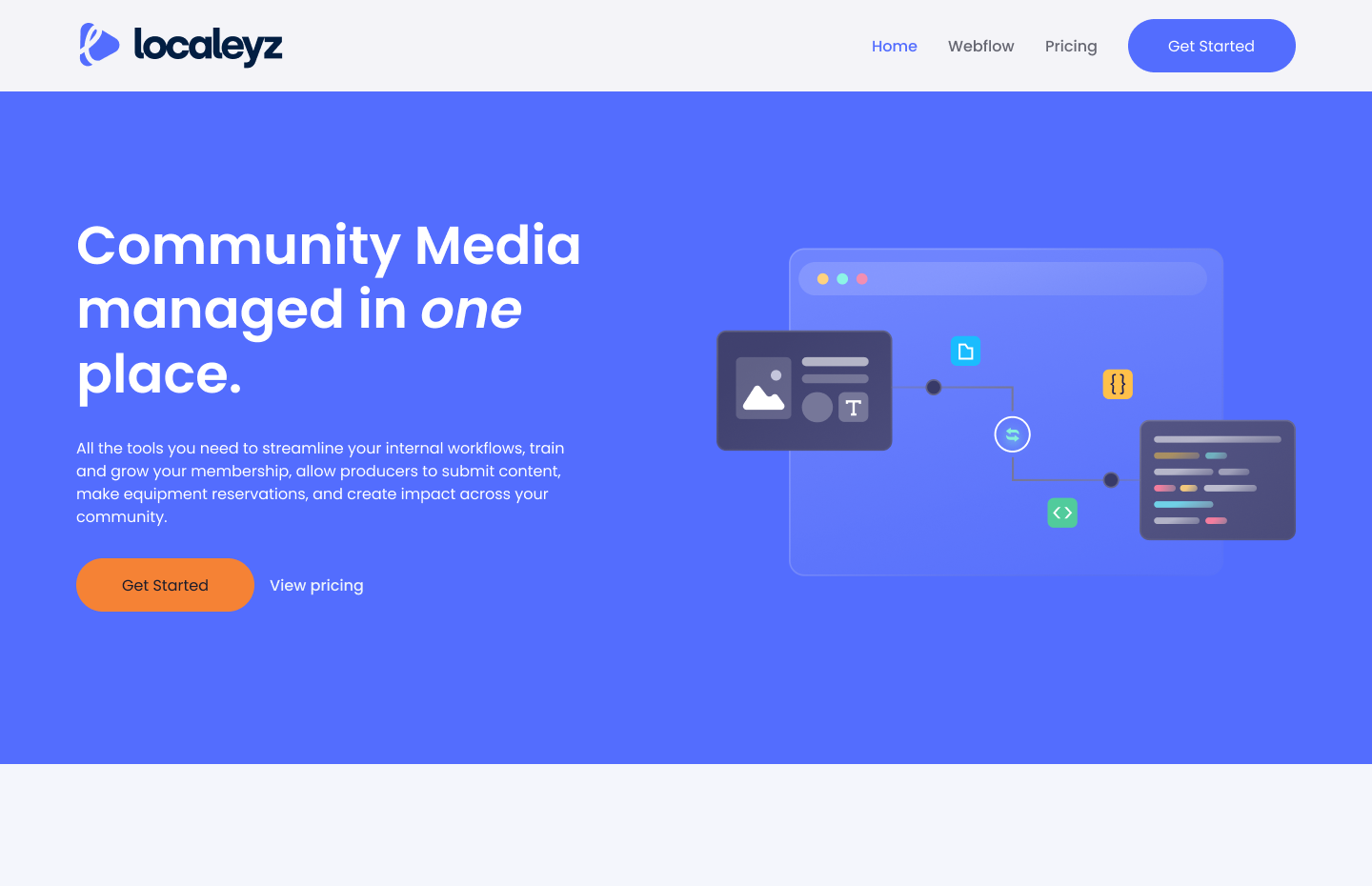
Centralizing Sales Communication with an AI-Powered CRM System
An AI-powered CRM that brings calls, WhatsApp, SMS, and email into one platform, automatically captures leads, triggers follow-ups, and gives sales managers complete visibility into pipeline performance and team activity.
View case study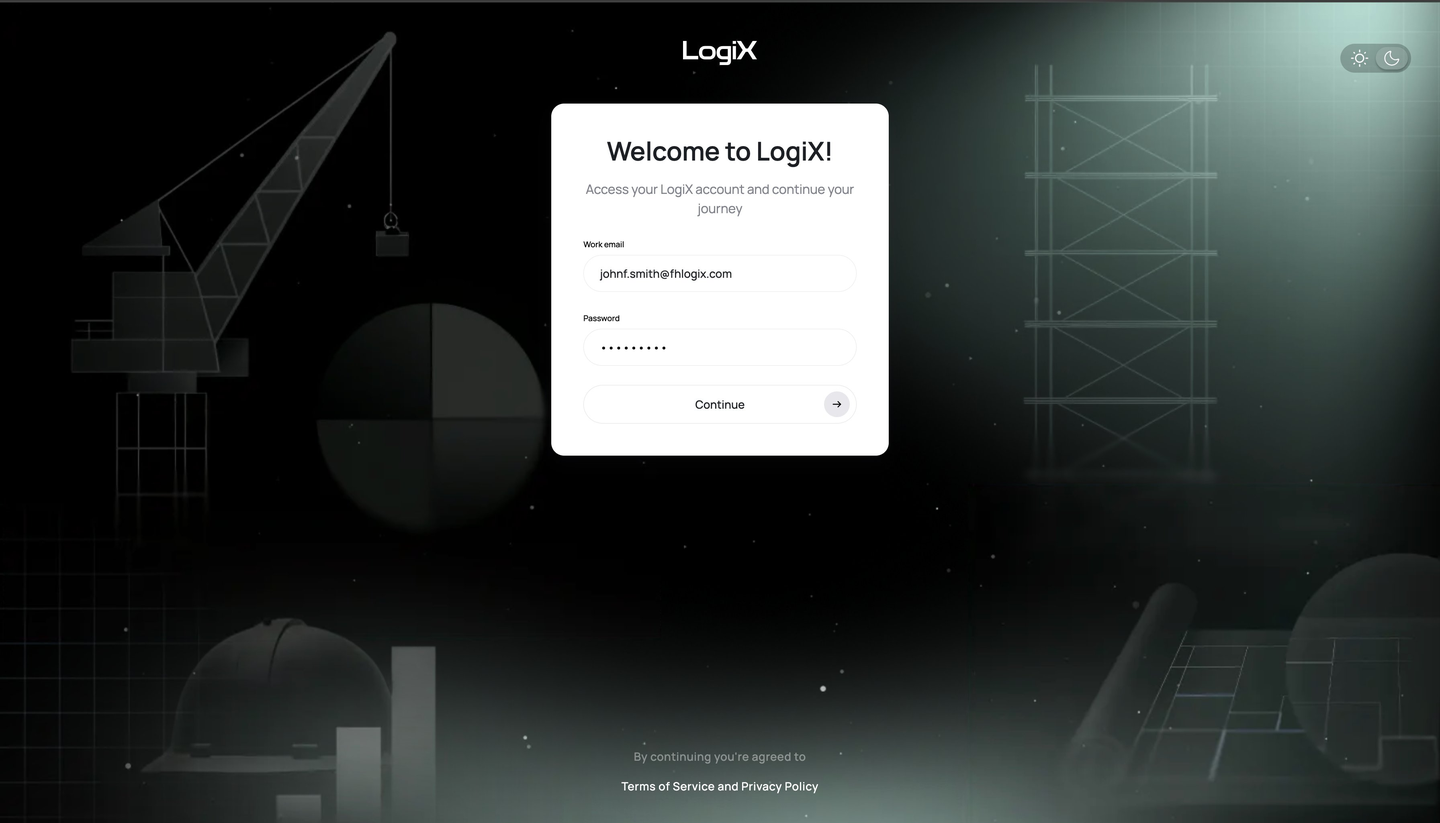
Contract Review Platform
A document management system provides a variety of add-on modules, such as a contract engine and payment engine that detect discrepancies, anomalies, and potential problems within the documents.
View case study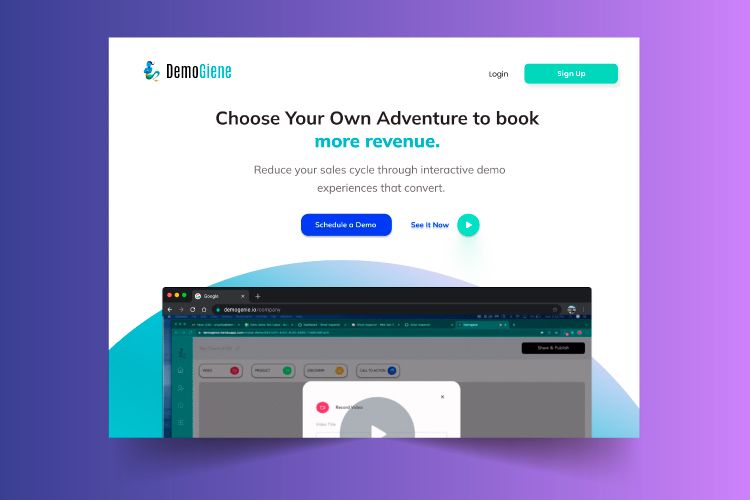
Customer Journey Platform
The platform enables teams to create interactive walkthroughs for product flows, and guided experiences while gaining valuable insights into user interactions, engagement, and behavior throughout every digital experience.
View case study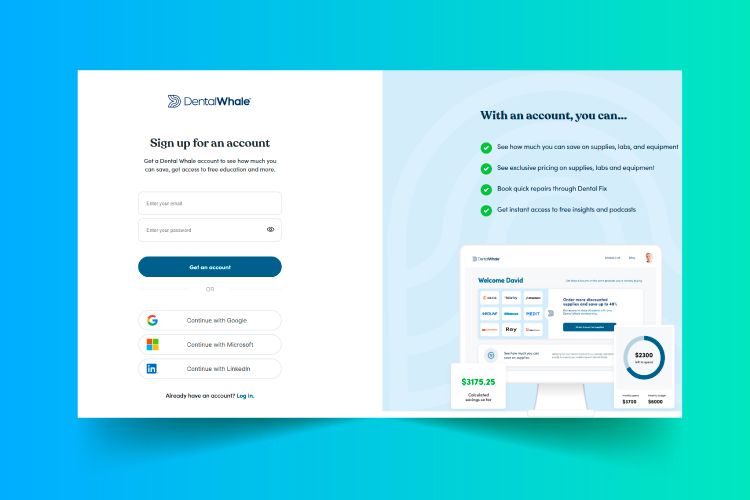
Dental Practice Management
A complete dental business management platform that enables practices to manage procurement, equipment services, laboratory workflows, training, business analytics, and practice operations efficiently from one centralized, integrated system.
View case study
What clients say about working with Coding Crafts
Verified reviews from teams we've shipped alongside, from early-stage MVPs to enterprise platforms running in production.
- ★★★★★
“Coding Crafts' engineers were highly engaged and shared our goal of delivering the product within a certain timeframe.”
Co-Founder, Async LabsVERIFIED VIA CLUTCH → - ★★★★★
“Their nimbleness and willingness to meet any challenge with conviction impressed us.”
Product Director, Yoga Joint LLCVERIFIED VIA CLUTCH → - ★★★★★
“I'm impressed by the team and their availability.”
CEO, Boalt LLCVERIFIED VIA CLUTCH →
Python development FAQs
What does a Python development company do?
A Python development company designs, builds, and maintains software written in Python: web applications and APIs, data pipelines, automation, and machine learning systems. We cover the surrounding work too: architecture, cloud deployment, testing, and handover.
How much does Python development cost?
Most Python projects we take on land between the low five figures for a focused API or automation and the mid six figures for a data platform or multi-service product. Scope, integrations, and data volume drive the price. We scope and price phase by phase, so each phase is a separate decision.
How long does a Python project take?
A first production release usually takes 8 to 16 weeks. Architecture and foundations take the first two to three weeks, then you see working software at the end of every two-week sprint.
Django or FastAPI?
Django when you need an admin, ORM, auth, and a conventional web application quickly; FastAPI when the product is API-first, async, or performance-sensitive. Many systems we build use both. We recommend in discovery based on your team and roadmap.
Is Python a good choice for AI and machine learning features?
It is the default. Nearly every model, framework, and vendor SDK targets Python first. We build LLM and ML features in Python with evaluation, monitoring, and cost controls so they survive contact with real users.
Can you modernize a legacy Python 2 or monolithic codebase?
Yes. We upgrade incrementally: characterization tests first, then runtime and dependency upgrades, then decomposition where it pays off. The system keeps running throughout.
Who owns the code?
You do. Repositories, cloud accounts, and models are yours under the engagement terms, and every delivery ships with documentation and a handover session.
Build your Python System for production.
Use our no-obligation 40-hour trial to evaluate how we approach one real Python application, API, data pipeline, AI feature, or modernization problem before committing to a larger engagement.
Latest Insights.
View all postsPractical essays and guides from our team on building and shipping great software.