Discovery Services.
Take a software product from discovery to production with one engineering team responsible for architecture, frontend, backend, quality, cloud delivery, and the releases that follow launch.
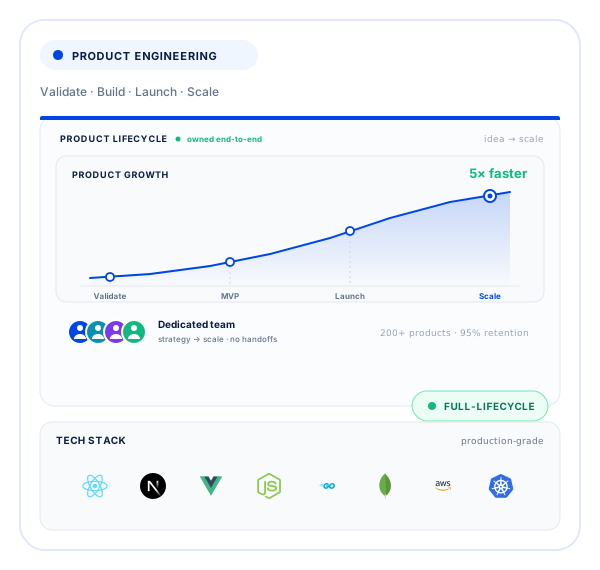
- 200+
Products engineered
- 10+
Years experience
- 95%
Client retention
- 5x
Faster to market
One Validation team from product decisions to production.
Most teams stall between a great idea and a shippable product: unclear scope, brittle architecture, and vendors who hand off and vanish. We validate early, architect for scale, and stay through launch and beyond. The result is a product that reaches users fast and keeps growing without a rebuild.
Slow delivery
Long planning cycles and fragmented ownership delay working software and make product decisions depend on assumptions.
Architecture debt
Early technical shortcuts become expensive when new users, integrations, data volume, or enterprise requirements arrive.
Fragmented ownership
When strategy, design, engineering, QA, and operations sit with separate vendors, important context disappears between handoffs.
Product Engineering from Product Engineering to Production Evolution
Our product engineering services combine product planning, prototyping, full-stack development, architecture, release engineering, and post-launch evolution under one delivery model.
Product strategy
Translate business goals, user needs, constraints, and product priorities into a technical roadmap the team can execute.
MVP & prototyping
Use prototypes and focused MVP releases to test workflows, usability, and product assumptions before the roadmap expands.
Full-stack development
Build frontend, backend, APIs, data flows, and mobile experiences as one product system rather than separate deliverables.
Architecture & scaling
Plan data, infrastructure, security, integrations, and system boundaries for the growth and operational requirements the roadmap already expects.
Product evolution
Continue with feature releases, technical debt work, reliability improvements, security updates, and product changes after launch.
Dedicated teams
Keep technical context with the same delivery team so product decisions, architecture, and implementation do not reset at each phase.
A Product Engineering Process from Product Engineering to Evolution
A full product engineering process that connects product decisions to architecture, delivery, production feedback, and the technical work required as the product grows.
- 01
Validation
We clarify the problem, users, business goals, and constraints, then test uncertain workflows before committing the larger build.
- 02
Architecture
We plan system boundaries, data, integrations, security, infrastructure, and the parts of the product most likely to change.
- 03
MVP build
We ship the first useful release with the core workflows and production foundations needed for real use.
- 04
Iteration
We use product data, customer feedback, support issues, and business priorities to shape the next releases.
- 05
Scale
We improve performance, reliability, data handling, infrastructure, and operational tooling as usage and complexity increase.
- 06
Evolution
We continue with feature work, platform maintenance, security updates, technical debt, and engineering support after launch.
Technology for Long-Lived Products.
We choose application, data, cloud, testing, and delivery technologies according to the product architecture, existing systems, team skills, and long-term maintenance requirements.
Engineering ownership from First Release Onward.
Product engineering works best when technical ownership continues after the first release. We keep architecture, delivery, quality, and product evolution connected.
Less repeated groundwork
Reusable engineering patterns and clear technical decisions reduce repeated setup without forcing the product into a generic template.
Continuous technical ownership
The same delivery team keeps context from product planning through architecture, implementation, release, and production changes.
Product decisions tied to evidence
Usage data, product feedback, support signals, and business priorities inform what the engineering team changes next.
Integration with existing systems
New product work integrates with existing APIs, data sources, identity systems, and business software through planned interfaces and migration steps.
Industries we serve
Product challenges turned into Production Systems.
View all case studiesExplore products where our engineers handled architecture, application development, integrations, scalability, and production challenges as the product evolved.
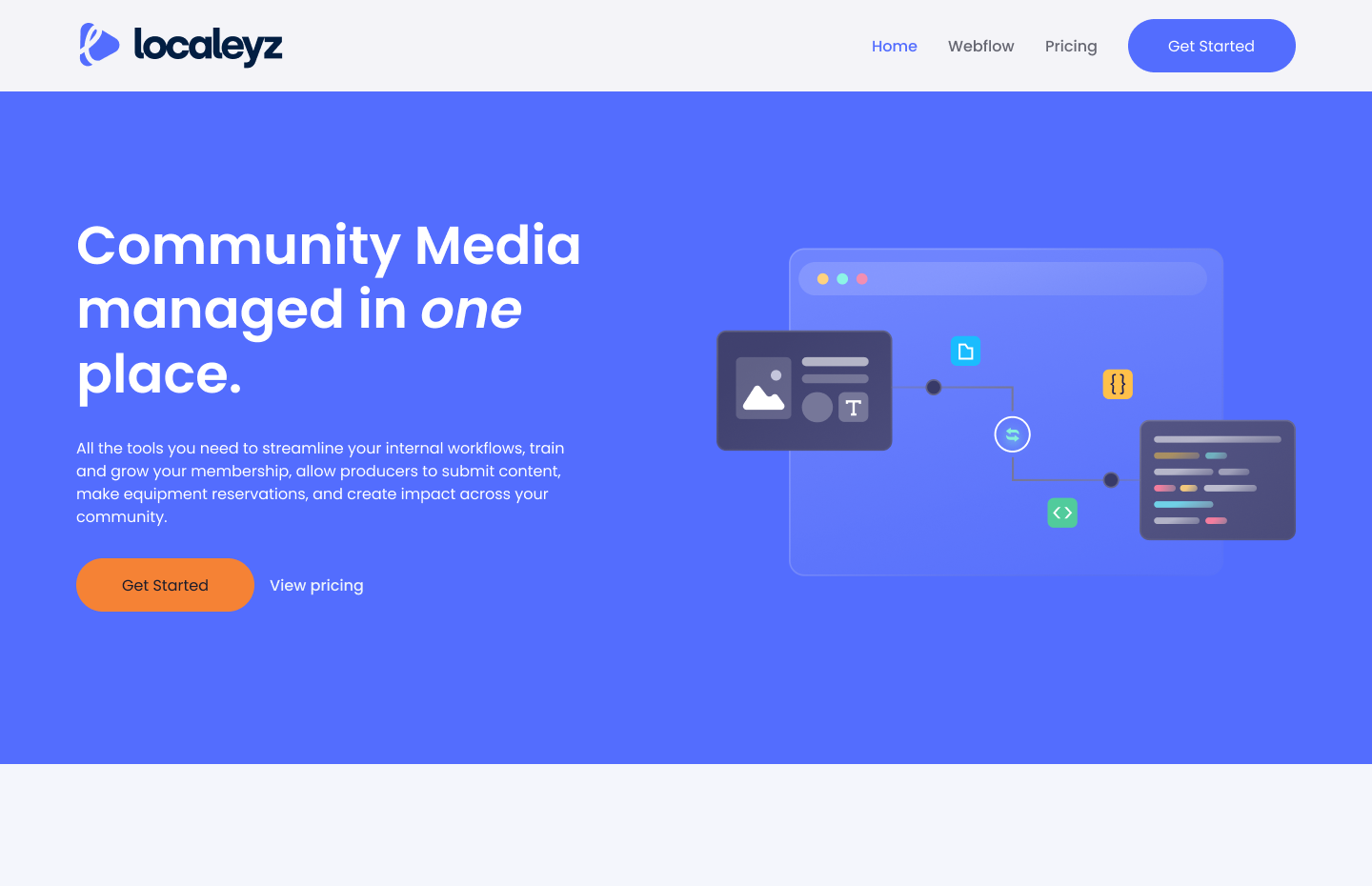
Centralizing Sales Communication with an AI-Powered CRM System
An AI-powered CRM that brings calls, WhatsApp, SMS, and email into one platform, automatically captures leads, triggers follow-ups, and gives sales managers complete visibility into pipeline performance and team activity.
View case study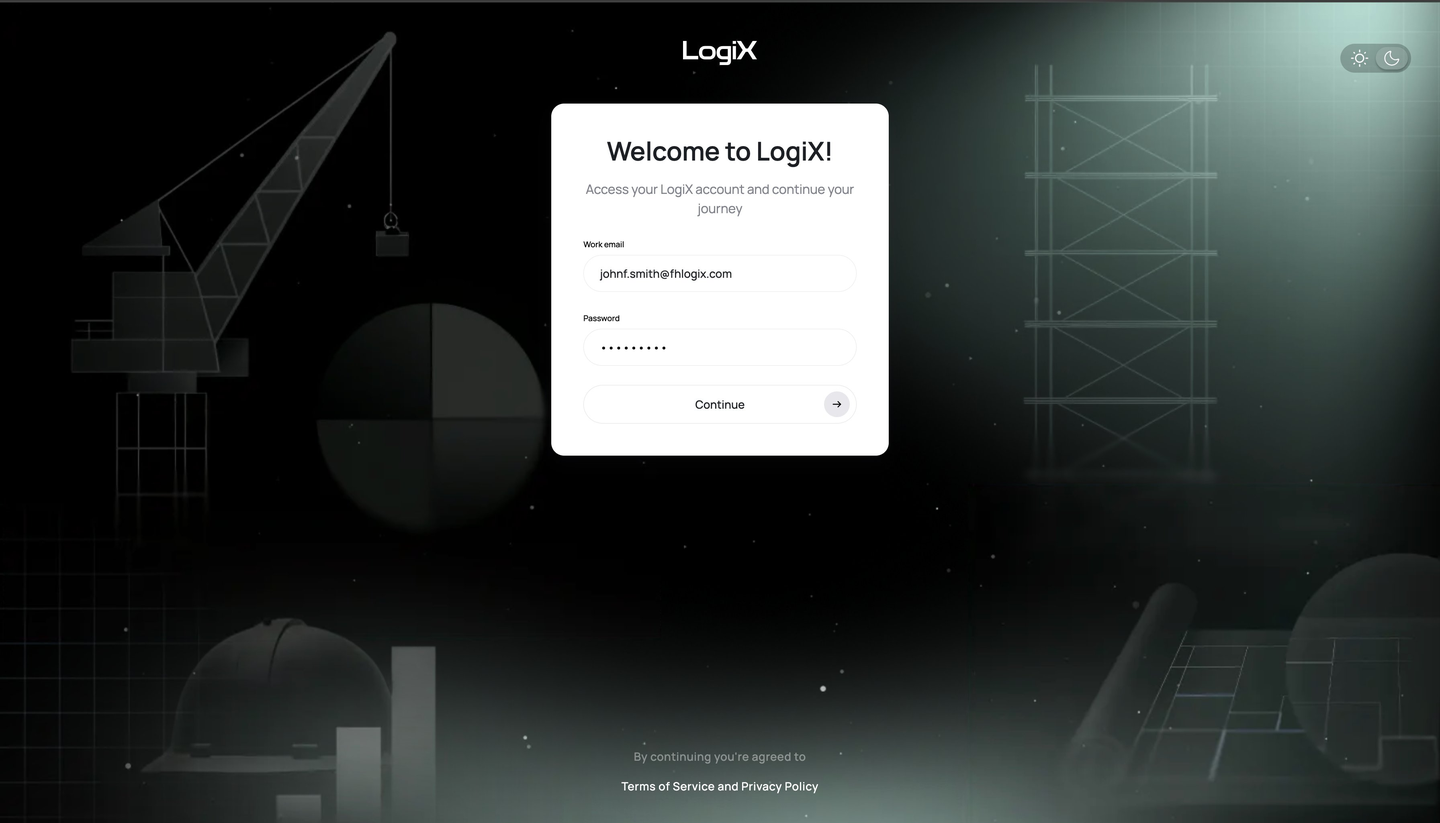
Contract Review Platform
A document management system provides a variety of add-on modules, such as a contract engine and payment engine that detect discrepancies, anomalies, and potential problems within the documents.
View case study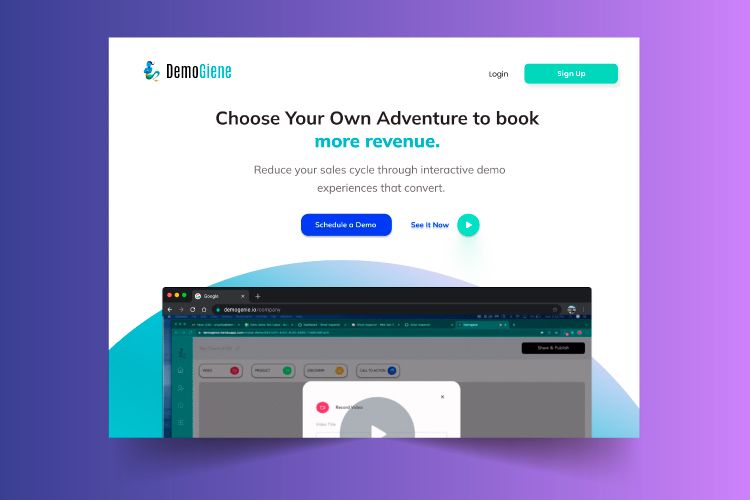
Customer Journey Platform
The platform enables teams to create interactive walkthroughs for product flows, and guided experiences while gaining valuable insights into user interactions, engagement, and behavior throughout every digital experience.
View case study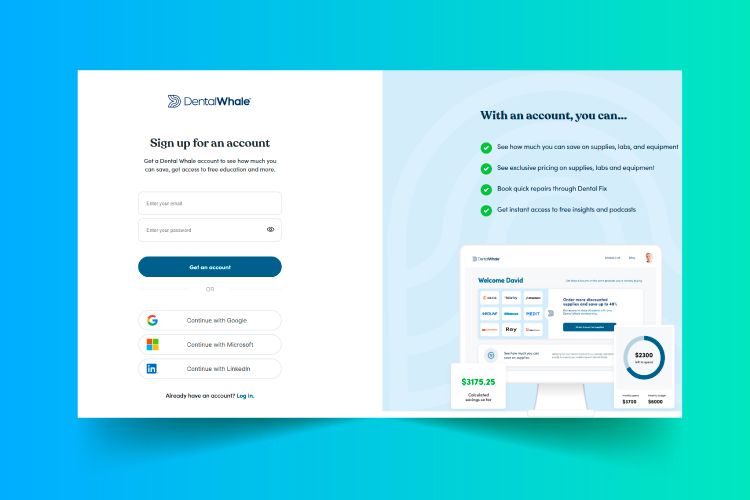
Dental Practice Management
A complete dental business management platform that enables practices to manage procurement, equipment services, laboratory workflows, training, business analytics, and practice operations efficiently from one centralized, integrated system.
View case study
Product Engineering questions, answered.
What are product engineering services?
Product engineering services cover the full life of a software product, from first scoping through launch and the changes that follow. Vendors also call it software product engineering services or digital product engineering services; a software product engineering services company like ours covers both under one roof. The difference from simply hiring developers is ownership, because one team stays accountable for whether the product works in production instead of just closing tickets. We run that whole arc with one senior-led team.
What do product engineering services include?
A typical engagement includes product discovery and scope definition, technical architecture, design, frontend and backend build, automated testing, CI/CD and cloud setup, security review, and post-launch support. Data work, integrations, and analytics are included when the product depends on them. You get a written scope before development starts, so additions are visible and priced rather than arriving as surprise line items.
How much do product engineering services cost?
An MVP typically runs $25,000 to $75,000. Full product builds and ongoing evolution range from $75,000 to $250,000 or more, depending on scope, integrations, and compliance requirements. The estimate is fixed after a paid validation sprint, so the fixed-scope number is what you are billed against; anything added after sign-off is quoted separately before we build it.
How long does a product engineering engagement take?
A focused MVP usually reaches production in 10 to 16 weeks, depending on scope and integrations. A larger platform build runs 4 to 9 months and ships in increments, so you can put working software in front of users before the full scope is finished. Timelines firm up after discovery, once integrations and data migration are understood.
Should we build custom software or buy an off-the-shelf product?
Buy when the process is standard and a mature tool already fits, because you will pay less and launch sooner. Build when the workflow is your competitive advantage, when license costs scale worse than engineering, or when the tool forces your team into manual work-arounds. Often the right answer is a smaller custom layer on top of software you already own, and we will say so when buying is the honest recommendation. When the answer is build, that is our custom software development practice.
How is product engineering different from hiring individual contractors?
With contractors or staff augmentation you are buying capacity, and your team still owns architecture, QA, and delivery risk; if you already have senior in-house leadership, that is often the better economics, and we offer it too. With product engineering services you hand over a defined outcome, and the team brings its own tech lead, QA, and release process. If capacity is what you need, see our staff augmentation page.
Do you work with early product ideas or only mature products?
Both. We refine ideas that are still rough, define the smallest version worth building, and take it from there. We also join existing products to add features, pay down technical debt, or replace the parts that no longer scale.
Do you help build MVPs and prototypes?
Yes. A clickable prototype tests the flow with real users in days, and an MVP puts a working, production-grade slice in their hands within weeks. We keep the MVP on the same architecture as the full product, so validated work carries forward instead of being rewritten.
Can you help evolve a product after launch?
Yes. We ship new features, fix defects, and keep dependencies, security patches, and infrastructure current. Post-launch work can run as a monthly retainer with an agreed response time, or as separately scoped feature releases.
Do you offer enterprise product engineering services?
Yes. Enterprise product engineering services add the parts that smaller builds skip: SSO and role-based access, audit logging, environment separation, load testing, and documented handover to your internal team. We work inside your existing security, review, and procurement process rather than around it.
How do you align product engineering with business strategy?
We start with your goals, target users, and constraints, then translate them into a build sequence. Every engineering decision, from architecture to what ships first, traces back to an outcome you named. When a request does not serve one, we flag it before it costs a sprint.
How do we start a product engineering engagement with your team?
It starts with a discovery call to map goals, users, and constraints, followed by a short paid validation sprint that produces a scope, an architecture outline, and a fixed estimate. Most product engineering services companies quote from the call alone; we would rather you compare us with other product engineering services companies in the USA on a written scope. If the plan does not convince you, you keep the artifacts and stop there. If it does, the same engineers who scoped the work build it. We are a US registered company, and the team keeps daily overlap with US business hours.
Turn your next Product Release into a system your team can keep evolving.
Start with a no-obligation 40-hour trial and see how we combine strategy, design, and engineering to build products users love. If the work earns your confidence, pay for it and keep going. If it does not, you owe nothing.
Latest Insights.
View all postsPractical guides from our team on product engineering, architecture, software delivery, technical debt, scaling, and the decisions that shape long-lived products.