Digital Engineering Services for Platforms That Scale.
Modernize platforms, integrate disconnected systems, and build cloud-native services that improve delivery speed, reliability, and the way digital products work together.
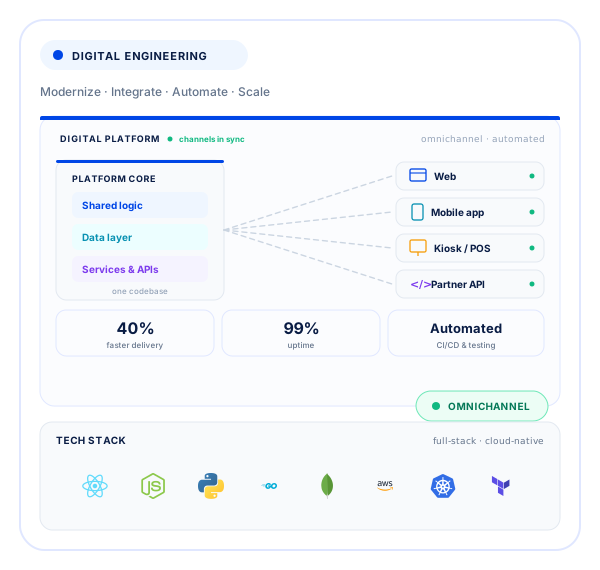
- 100+
Projects delivered
- 10+
Years experience
- 99%
Uptime
- 40%
Faster delivery
Digital Engineering for platforms that need to evolve
Digital platforms become difficult to change when legacy systems, duplicated business logic, disconnected channels, and weak delivery practices accumulate over time. We modernize the architecture, connect systems, improve the data flow, and build reliable engineering practices around the platform.
Outdated systems
Legacy systems make new features slower to deliver and force teams to maintain manual workarounds.
Fragmented digital channels
Duplicated logic and disconnected data create inconsistent behavior between web, mobile, internal tools, and partner systems.
Limited operational visibility
Weak instrumentation and reporting make product and operational decisions harder to measure.
Digital engineering from platform Modernization to Delivery
Our digital engineering services combine platform modernization, system integration, cloud-native engineering, data, omnichannel architecture, and delivery automation.
Platform modernization
Modernize high-risk parts of legacy platforms in planned phases without forcing a full rebuild when the existing system still has value.
System integration
Connect applications, APIs, services, and data flows so teams stop maintaining duplicate logic between systems.
Cloud-native platforms
Build cloud-native services with repeatable deployment, observability, and operational controls from the start.
Data & analytics
Add instrumentation, data pipelines, and reporting that give product and operations teams measurable feedback.
Omnichannel engineering
Move shared business rules and data behind reusable services so channels behave consistently.
Quality & automation
Use automated testing, CI/CD, monitoring, and quality controls to reduce release risk as the platform grows.
Our Digital Engineering process, from audit to release
A phased engineering process that audits the current platform, prioritizes modernization work, improves architecture and integrations, strengthens delivery, and measures results after release.
- 01
Platform audit
We review architecture, integrations, delivery workflows, data flows, and the systems creating the most operational friction.
- 02
Modernization roadmap
We prioritize work by business impact, technical risk, dependencies, and the amount of change each phase requires.
- 03
Cloud-native build
We modernize or rebuild selected components with clear interfaces, automated deployment, and production observability.
- 04
Integration & data
We integrate systems around shared services, APIs, and data contracts that reduce duplication between channels.
- 05
Continuous quality
We add automated testing, CI/CD, monitoring, and operational controls around each production release.
- 06
Optimize & scale
We review usage, reliability, performance, and operating cost after launch and prioritize the next improvements with your team.
Technology for modern Digital Platforms.
We use modern frontend, backend, cloud, integration, data, and delivery technologies selected around your existing platform and long-term operating needs.
Digital engineering built with Ownership.
Digital engineering work has to improve the platform without creating a new layer of complexity. We keep architecture decisions visible, deliver in phases, and leave the system easier to maintain.
Clear system integration
Clear service boundaries and documented integrations reduce duplicate logic and make future changes easier.
Architecture built to evolve
We design components around expected growth, traffic, data volume, and change instead of relying on premature complexity.
Quality built into delivery
Testing, monitoring, and release controls make reliability part of the engineering process.
Visible engineering decisions
Roadmaps, technical decisions, risks, and progress stay visible throughout each phase.
Industries we serve
Complex platform problems turned into Working Systems.
View all case studiesExplore software projects where our engineers solved modernization, integration, scalability, and product challenges for clients.
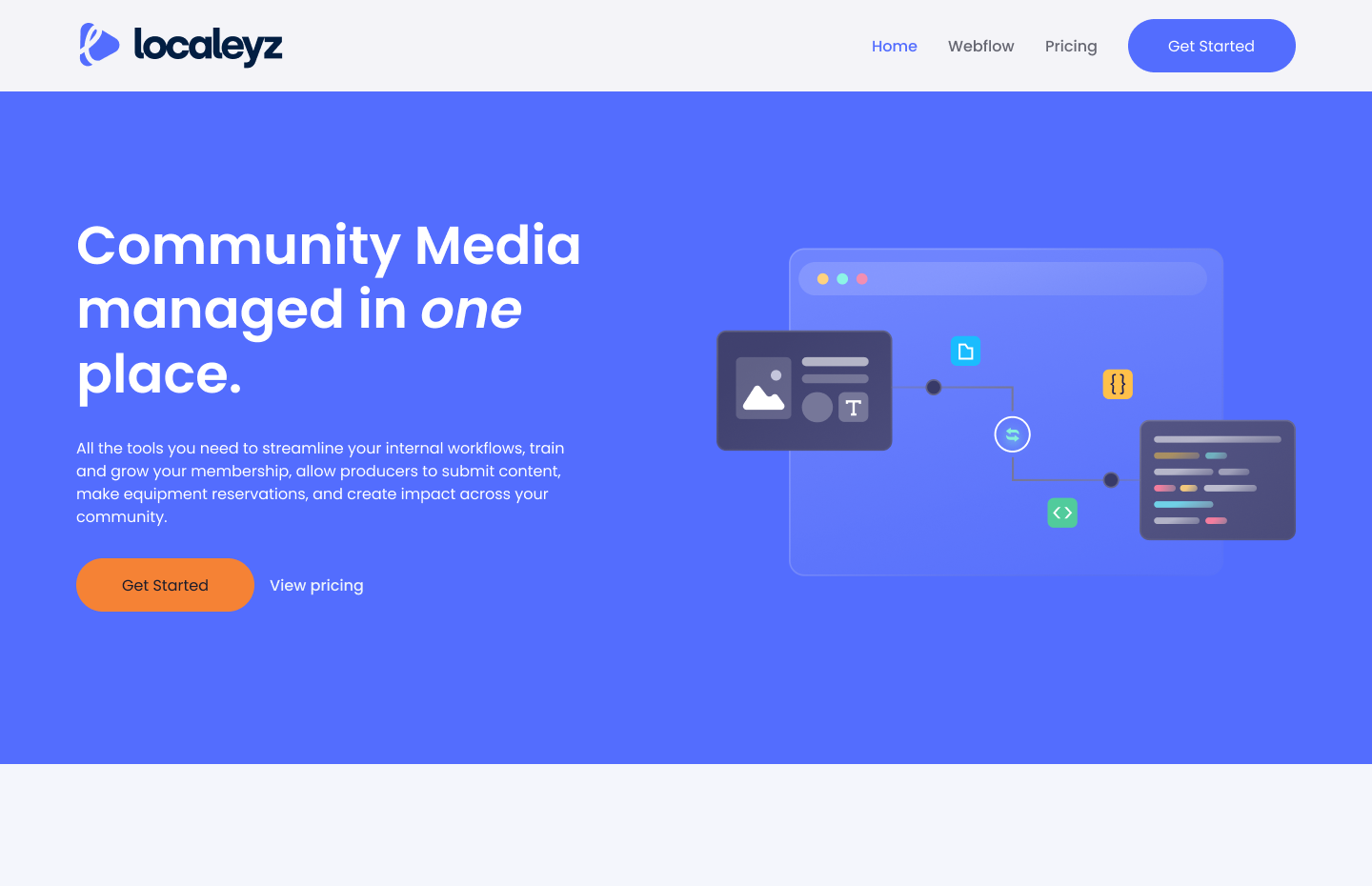
Centralizing Sales Communication with an AI-Powered CRM System
An AI-powered CRM that brings calls, WhatsApp, SMS, and email into one platform, automatically captures leads, triggers follow-ups, and gives sales managers complete visibility into pipeline performance and team activity.
View case study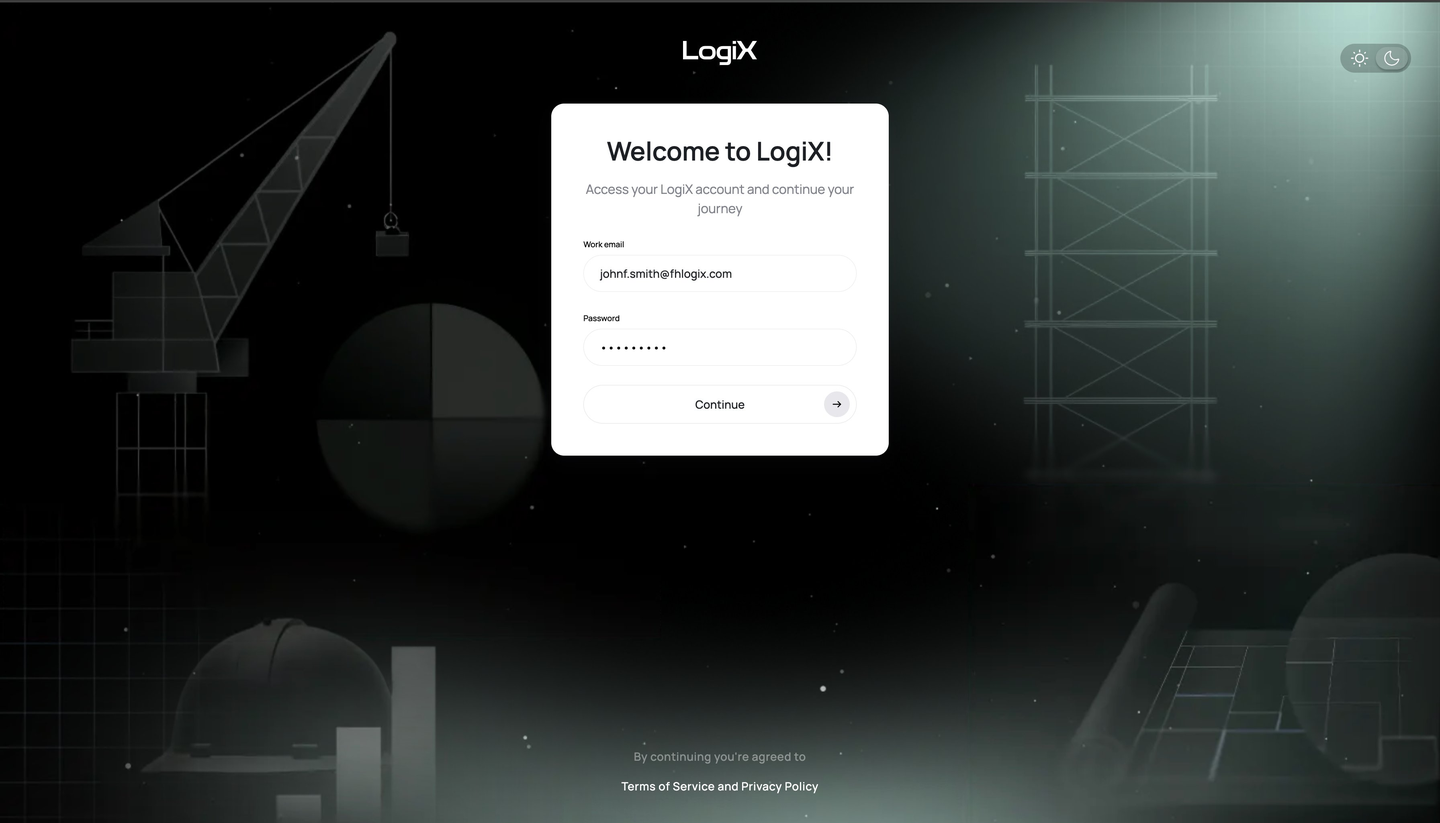
Contract Review Platform
A document management system provides a variety of add-on modules, such as a contract engine and payment engine that detect discrepancies, anomalies, and potential problems within the documents.
View case study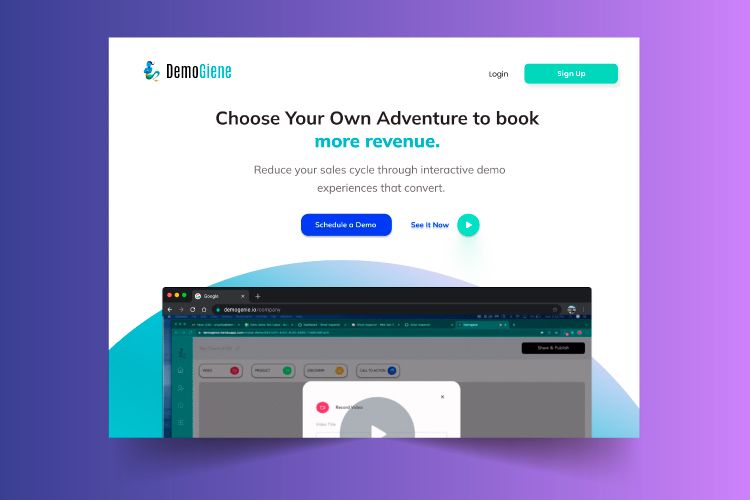
Customer Journey Platform
The platform enables teams to create interactive walkthroughs for product flows, and guided experiences while gaining valuable insights into user interactions, engagement, and behavior throughout every digital experience.
View case study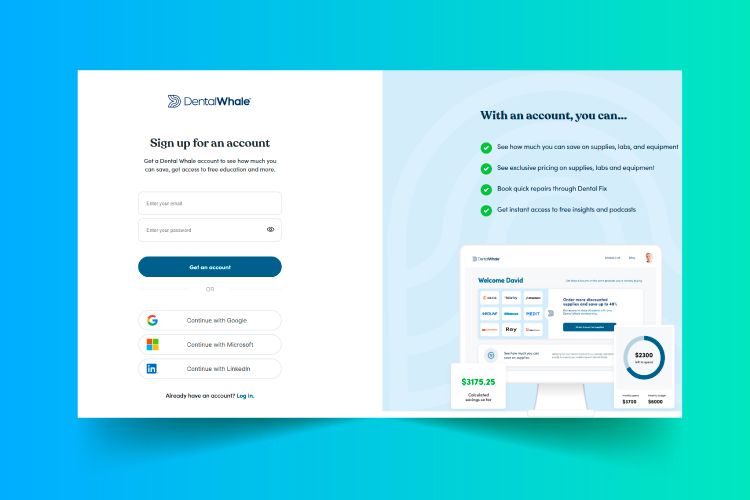
Dental Practice Management
A complete dental business management platform that enables practices to manage procurement, equipment services, laboratory workflows, training, business analytics, and practice operations efficiently from one centralized, integrated system.
View case study
Digital Engineering questions, answered.
What are digital engineering services?
Digital engineering services cover the design, build, and ongoing engineering of the software systems a business runs on. In practice that means modernizing legacy platforms, integrating systems that do not talk to each other, building cloud native services, and putting data and delivery pipelines in place. The work is scoped as engineering rather than advisory, so every phase ends in something running in production.
What business challenges do digital engineering services solve?
They replace aging systems that block new features, close the gaps between tools that were never designed to work together, and remove manual steps people currently patch by hand. They also fix delivery itself, so releases stop slipping. Most engagements start with whichever of those is costing the most money right now.
Do digital engineering services include data and analytics?
Yes. Instrumentation, pipelines, and reporting are part of the build rather than a later project, so product and operations decisions come from real usage data instead of assumptions. Where it is useful we also wire in event tracking and dashboards your team can query without engineering help.
Can digital engineering services improve customer experience?
Yes, because most experience complaints are engineering problems underneath. Faster page and API response times, capacity that holds under load, and consistent behavior across web and mobile all come from how the system is built. We set those as measurable targets at the start of a phase, not as side effects.
How does digital engineering support omnichannel platforms?
By moving shared business logic and data into services that every channel calls, instead of duplicating rules inside each app. Web, mobile, and partner integrations then read and write the same source of truth, so a customer sees the same balance, order, or booking everywhere. This is usually the step to take before adding a new channel.
Do you build cloud-native digital platforms?
Yes. Digital platform engineering services are a large part of the work: containerized services, infrastructure as code, CI/CD, and observability set up from the first sprint. The goal is a platform your own engineers can deploy to and operate without us in the room.
How do digital engineering services work?
The first phase is a paid audit of your current systems, delivery process, and constraints, which produces a costed roadmap before any code is written. Build then runs in short slices, each ending in a working deployment you can use. If you want to judge the team's output before committing to the audit, we offer a 40 hour paid trial on a small piece of real work first.
How much do digital engineering services cost?
A focused modernization or integration typically runs $30,000 to $100,000. Platform wide programs run $100,000 to $300,000 or more across phases. The audit comes first and hands you a costed roadmap, so the larger number is never a blind commitment.
How long does a digital engineering engagement take?
A scoped audit takes two to three weeks. A single modernization or integration workstream usually ships in eight to sixteen weeks, and platform wide programs run in quarterly phases with releases inside each one. Dates come from the roadmap produced in the audit, not from a fixed template.
What is the difference between digital engineering and product engineering?
Digital engineering is the wider scope: platforms, integrations, data, cloud infrastructure, and delivery practices across the business. Product engineering focuses on one product and its roadmap, from discovery through release. Many teams need both, and they are usually run as separate workstreams against the same architecture.
Should we modernize our existing platform or rebuild from scratch?
Modernizing is the default when the current system still encodes rules the business depends on and the real problems are performance, cost, or release speed. A rebuild makes sense when the data model itself is wrong, or the platform cannot support the product you now sell. The audit answers this in writing, with the cost and risk of each path.
Build platforms that are Ready to Evolve.
Use our no-obligation 40-hour trial to evaluate how we approach one real platform, integration, or modernization problem before committing to a larger engagement.
Latest Insights.
View all postsPractical guides from our team on digital engineering, software architecture, modernization, cloud platforms, and reliable delivery.