Generative AI Development Company.
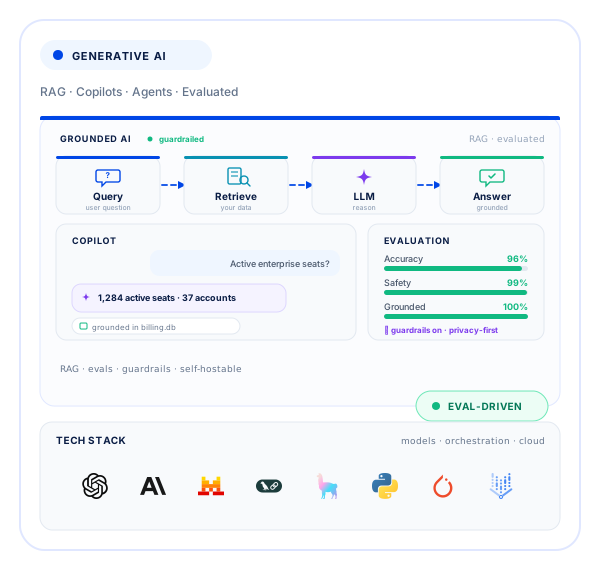
Build copilots, RAG assistants, AI agents, and generative applications grounded in your data, integrated with your systems, and evaluated before production release.
- 6 wks
To first PoC
- 100+
GenAI builds
- 10+
Years experience
- 95%
Client retention
Generative AI built for real workflows
Generative AI creates value only when the application understands the right data, fits a real workflow, and produces output your team can evaluate. We build production systems around model selection, retrieval, integrations, testing, privacy, and monitoring instead of stopping at a prompt or demo.
Missing business context
Generic models lack your business context and return answers that users cannot reliably verify.
Prototype-to-production gap
A proof of concept can look strong until production traffic exposes quality, latency, integration, and cost problems.
Data governance risk
Unclear data boundaries, retention rules, and access controls create avoidable privacy and governance risk.
Generative AI services for Production Applications
Our generative AI development services cover application design, retrieval, copilots, agents, model integration, evaluation, and the production controls needed to run these systems reliably.
Custom LLM apps
Build domain-specific generative applications on hosted or open-weight models according to quality, privacy, latency, and cost requirements.
RAG assistants
Build retrieval systems that ground answers in your documents, databases, and approved knowledge sources.
Copilots
Add assistants inside existing products and internal tools to help users complete defined tasks faster.
AI agents
Build agents that use approved tools and APIs to complete multi-step workflows with human review where needed.
Synthetic data
Generate controlled synthetic datasets for testing, model development, and scenarios where real data is limited or sensitive.
Model integration
Integrate models with your applications, APIs, data sources, authentication, logging, and business workflows.
Our Generative AI development process
A production-focused generative AI process that validates the use case, prepares the data, proves quality with a working prototype, adds evaluation and guardrails, and scales only after the system meets agreed targets.
- 01
Discovery
We select a specific workflow, define users and constraints, and agree on measurable quality, latency, and cost targets.
- 02
Data grounding
We prepare documents, permissions, metadata, retrieval logic, and other context the application needs.
- 03
Proof of concept
We build a focused proof of concept on real inputs to test quality, latency, integration effort, and unit cost.
- 04
Evaluation
We create evaluation datasets and tests that measure answer quality, failure cases, and regression risk before release.
- 05
Guardrails
We add access controls, privacy rules, validation, fallbacks, and human review where the workflow requires them.
- 06
Scale & iterate
We deploy with monitoring, usage controls, cost tracking, and a clear process for improving the system after launch.
Technology for Production Generative AI Systems.
We use hosted and open-weight models, retrieval tooling, vector databases, evaluation frameworks, and cloud infrastructure according to each application's quality, privacy, and operating requirements.
Generative AI built with Engineering Discipline.
We treat generative AI as a software engineering problem with measurable quality, reliable integrations, controlled data access, and clear production ownership.
Grounded in your data
Retrieval, structured context, and approved data sources keep responses tied to information your business can verify.
Measured quality
Evaluation datasets and regression tests show how the system performs before and after every major change.
Privacy by design
Architecture decisions account for data boundaries, retention, access control, audit requirements, and deployment constraints.
Production operations
We monitor latency, model usage, infrastructure cost, errors, and quality after the system reaches production.
Industries we serve
Complex AI ideas turned into Working Products.
View all case studiesExplore software and AI projects where our engineers solved product, integration, automation, and platform challenges for clients.
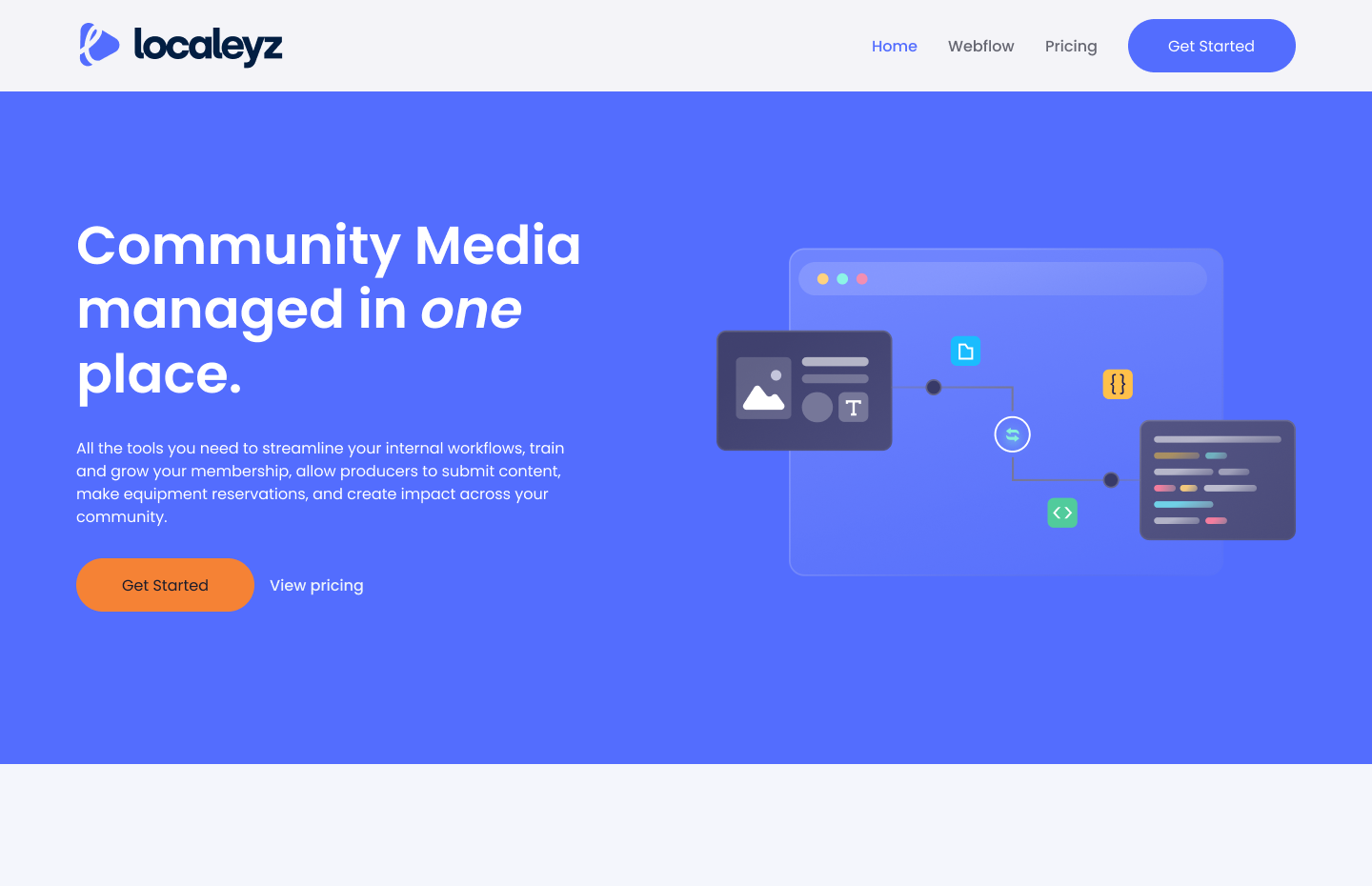
Centralizing Sales Communication with an AI-Powered CRM System
An AI-powered CRM that brings calls, WhatsApp, SMS, and email into one platform, automatically captures leads, triggers follow-ups, and gives sales managers complete visibility into pipeline performance and team activity.
View case study
Contract Review Platform
A document management system provides a variety of add-on modules, such as a contract engine and payment engine that detect discrepancies, anomalies, and potential problems within the documents.
View case study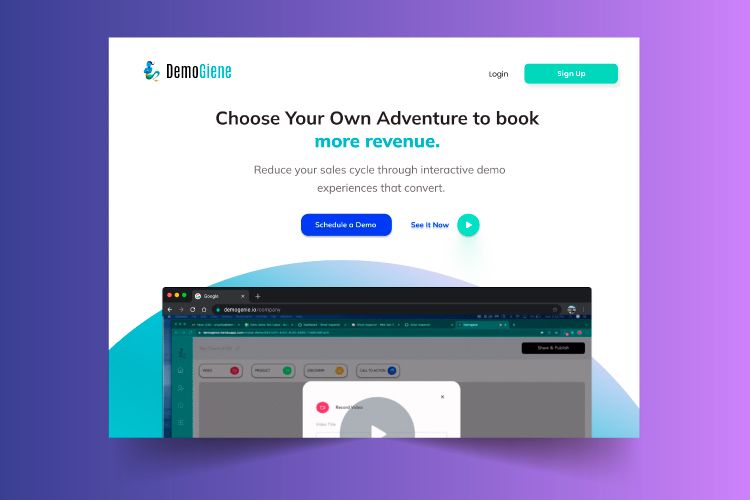
Customer Journey Platform
The platform enables teams to create interactive walkthroughs for product flows, and guided experiences while gaining valuable insights into user interactions, engagement, and behavior throughout every digital experience.
View case study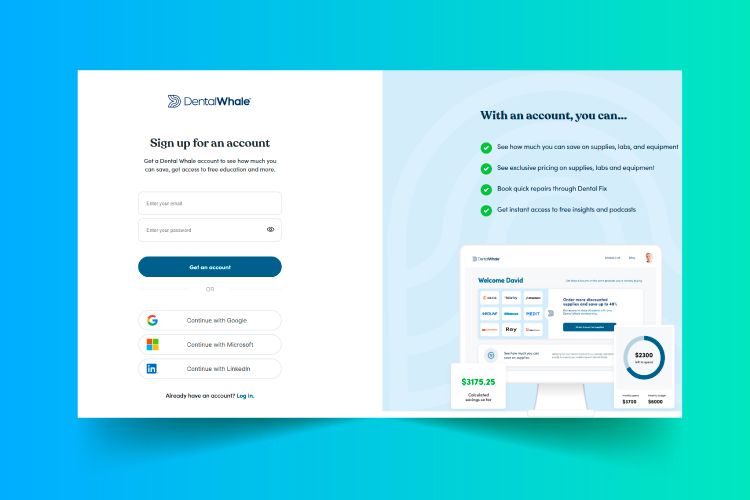
Dental Practice Management
A complete dental business management platform that enables practices to manage procurement, equipment services, laboratory workflows, training, business analytics, and practice operations efficiently from one centralized, integrated system.
View case study
Generative AI Development questions, answered.
What is generative AI development?
Generative AI development means building software on top of large language or image models: copilots, retrieval based assistants, and agents that run real workflows. Generative AI software development is the application half of that; generative AI development services also cover data preparation, evaluation, and operations. The model is only part of it. Most of the work is grounding it in your data, wiring it into your systems, and proving the output is good enough to ship.
How do you choose a generative AI development company?
Ask for evaluation results rather than demos: how answer quality is measured, what the failure rate is, and who owns the system when quality drifts. Lists of the top generative AI development companies rank on marketing; a generative AI development services company should be judged on shipped systems. Check that the team ships production software, not just prompts, because most of the budget goes into integrations, data plumbing, and monitoring. Ranked lists of generative AI development companies are a starting point, not evidence; ask any shortlisted team for evaluation results from their last build.
What do custom generative AI development services include?
Use case selection, data preparation and retrieval design, model selection, application and API work, an evaluation harness, and the monitoring you need after launch. Custom generative AI development services should also cover handover: documented prompts, tests, and infrastructure your own engineers can run without us.
How much does a generative AI project cost?
A focused proof of concept usually runs $10,000 to $30,000. Production systems typically land between $50,000 and $250,000 or more, depending on integrations, data cleanup, and scale, with model and infrastructure usage billed separately each month. After a discovery call we scope a specific number instead of quoting from a feature list.
How long does a generative AI PoC take?
Two to six weeks for most teams. That is enough to test answer quality, latency, and per request cost on your real data before anyone commits to a production build. If the numbers do not work, you have spent weeks instead of quarters.
Should we build custom generative AI or buy an off-the-shelf tool?
Buy when the workflow is generic, like meeting notes or general writing help. Build when the value comes from your proprietary data, your rules, or a workflow a vendor cannot sell to your competitors. A sensible middle path is buying the model and building only the layer that is genuinely yours.
What is RAG and why does it matter?
Retrieval augmented generation looks up relevant passages from your own documents and hands them to the model before it answers. That keeps responses current and traceable to a source, and it cuts hallucination sharply compared with a bare model. It is also far cheaper to update than retraining.
How do you prevent hallucinations?
We ground answers in your content with retrieval, constrain output to schemas the application can validate, and run an evaluation suite before each release so quality regressions surface early. Where the design calls for it, low-confidence answers are flagged or routed to a person rather than returned as fact.
Can we keep our data private?
Yes. Governance is part of scoping, not an afterthought, so data boundaries, retention, and logging rules are set before any build starts. When policy requires it, we run open weight models inside your own cloud or VPC, so prompts and documents stay inside your environment rather than being sent to a third-party API.
Do you fine-tune models or use prompting and RAG?
Prompting plus retrieval solves most cases faster and cheaper, so that is where we start. Fine tuning earns its place when you need a strict output format, a specific tone, or a smaller model that is cheap to run at volume. The decision comes from evaluation numbers, not preference.
Which models and platforms do you build on?
Hosted APIs from the major model providers, plus open weight models when data residency or unit cost demands them, deployed on AWS, Azure, or GCP alongside your existing stack. The application layer stays provider neutral so you can switch models as prices and capabilities change.
Build your Generative AI application with a clear path to production.
Use our no-obligation 40-hour trial to evaluate how we approach your use case, data, model choice, retrieval, and production requirements before committing to a larger engagement.
Latest Insights.
View all postsPractical guides from our team on generative AI, RAG, agents, software engineering, evaluation, and production AI systems.