Enterprise Data Management Services.
Bring scattered business data into a governed, reliable system with clear ownership, quality controls, access rules, and reporting your teams can trust.
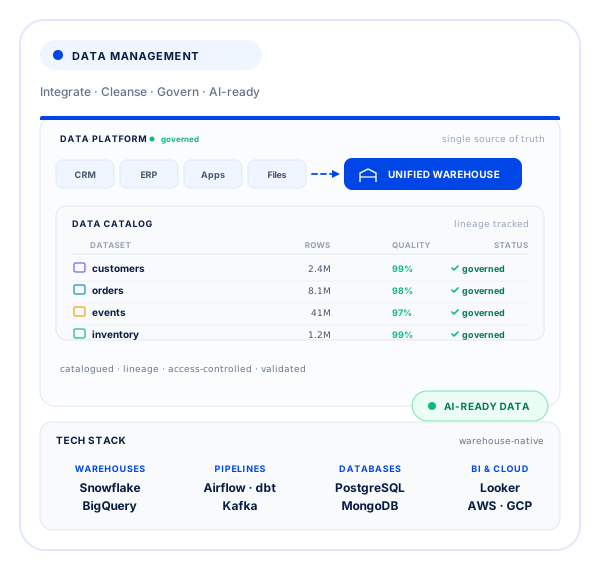
- 100+
Governances built
- 99%
Data uptime
- 10+
Years experience
- 95%
Client retention
Manage the Enterprise Data your teams depend on
Enterprise data becomes difficult to manage when systems use different formats, teams maintain duplicate records, and nobody owns data quality or access rules. We organize the data lifecycle, improve quality, document lineage, and establish governance so teams know what data exists, who owns it, and how it should be used.
Conflicting data sources
Business-critical records sit in separate systems with conflicting values and no reliable source of truth.
Unreliable data quality
Duplicates, missing fields, and inconsistent formats reduce confidence in reporting and operational decisions.
Unclear data ownership
Unclear ownership and access rules make sensitive data harder to control, audit, and maintain.
Enterprise data management from quality to Governance
Our data management services combine integration, warehousing, quality, governance, master data, and analytics so information stays usable throughout its lifecycle.
Data integration & ETL
Bring data from applications, databases, files, and APIs into shared, documented data flows.
Data warehousing
Organize business data in warehouses or lakehouses designed for reporting, analytics, and controlled downstream use.
Data quality
Apply validation, deduplication, standardization, and monitoring rules to improve data reliability.
Data governance
Establish ownership, cataloging, lineage, retention, and access policies that teams can apply in daily work.
Master data management
Maintain trusted records for customers, products, accounts, and other shared business entities.
Analytics & BI
Give teams reporting and BI layers built on governed definitions instead of conflicting spreadsheet logic.
Our Enterprise Data Management process
A structured data management process that identifies your sources and owners, improves data quality, establishes governance, and makes trusted data available to the teams and systems that need it.
- 01
Audit
We inventory data sources, owners, users, quality issues, access patterns, and reporting requirements.
- 02
Architect
We design the operating model, storage approach, ownership structure, and governance controls.
- 03
Integrate
We connect priority sources and establish shared records, transformations, and data definitions.
- 04
Cleanse
We clean, reconcile, standardize, and monitor data according to agreed quality rules.
- 05
Govern
We assign ownership, document lineage, configure access, and establish retention and compliance rules.
- 06
Activate
We make governed data available to reporting, applications, automation, and AI workflows that need it.
Technology for Enterprise Data Management.
We use established warehouse, pipeline, database, catalog, and BI technologies selected around your data volume, governance, security, and reporting needs.
Data management built around Trust.
We build data management practices that teams can operate after launch, with clear ownership, measurable quality, practical governance, and documentation that stays useful.
Trusted data foundation
Governed, documented data gives reporting, automation, and AI teams a more dependable source of information.
Measurable data quality
Validation rules and monitoring make quality problems visible before they spread into reports and downstream systems.
Practical governance
Governance rules are tied to real owners, systems, and workflows instead of sitting in documentation no one uses.
Built for ongoing management
Reusable models, documented controls, and clear operating processes make the data environment easier to maintain.
Industries we serve
Complex data problems turned into Reliable Systems.
View all case studiesExplore software and data projects where our engineers solved integration, reporting, automation, and platform challenges for clients.
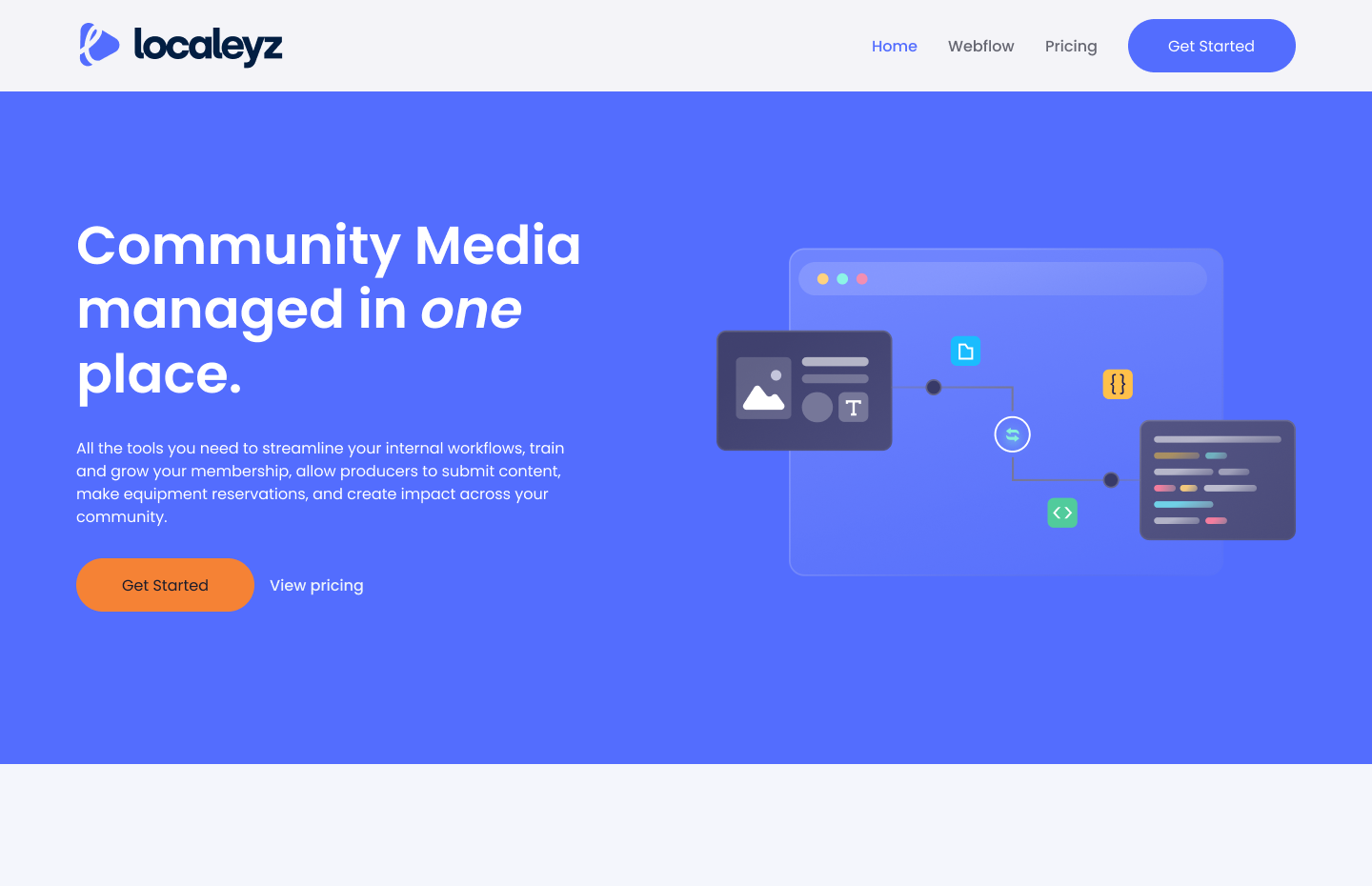
Centralizing Sales Communication with an AI-Powered CRM System
An AI-powered CRM that brings calls, WhatsApp, SMS, and email into one platform, automatically captures leads, triggers follow-ups, and gives sales managers complete visibility into pipeline performance and team activity.
View case study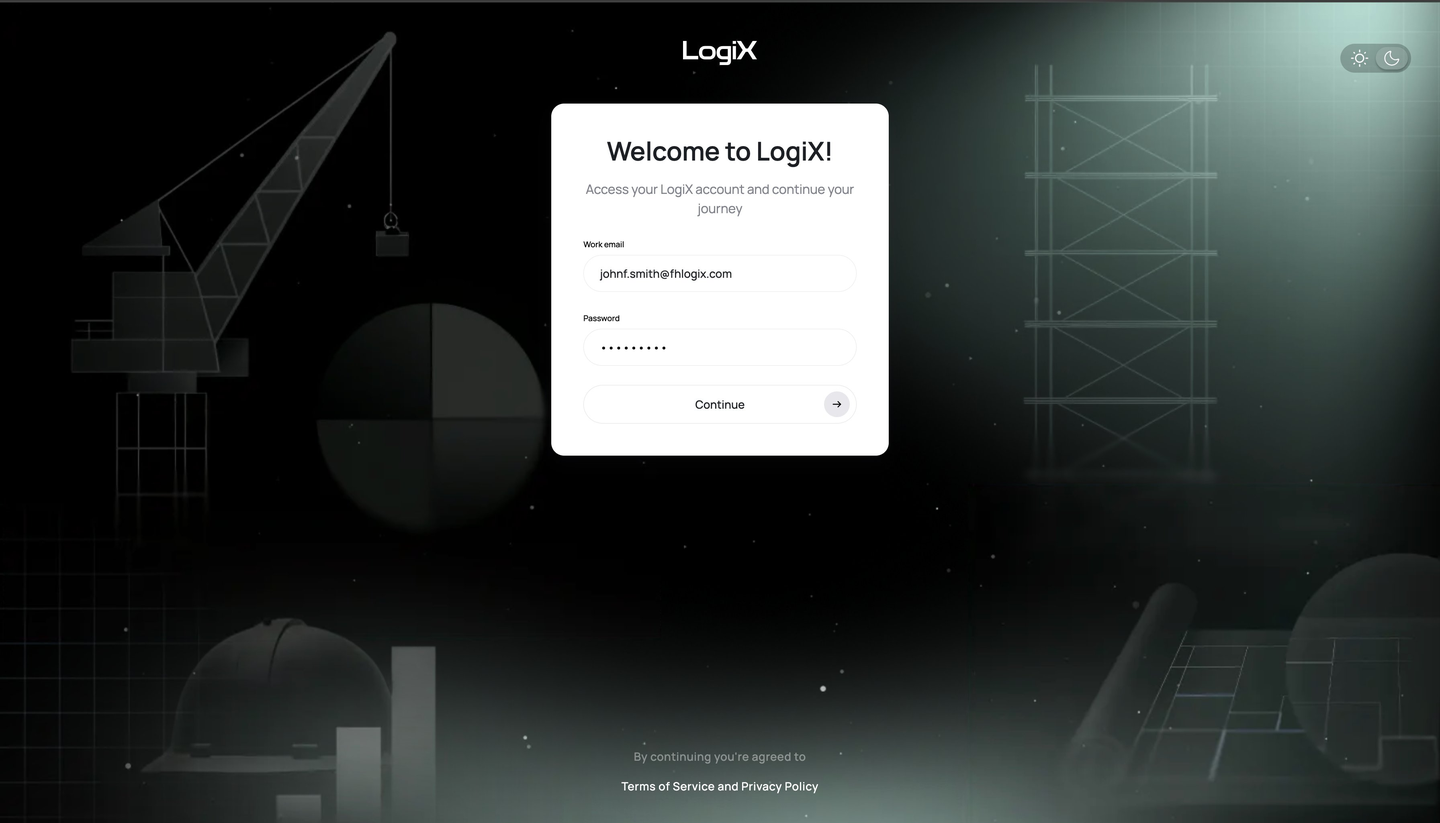
Contract Review Platform
A document management system provides a variety of add-on modules, such as a contract engine and payment engine that detect discrepancies, anomalies, and potential problems within the documents.
View case study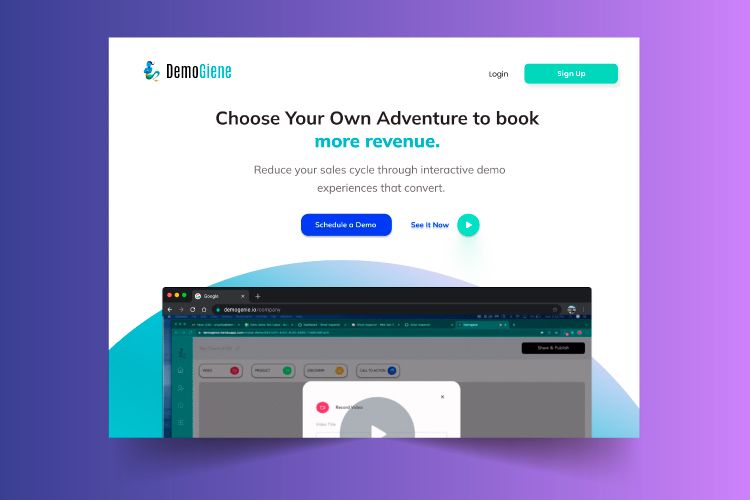
Customer Journey Platform
The platform enables teams to create interactive walkthroughs for product flows, and guided experiences while gaining valuable insights into user interactions, engagement, and behavior throughout every digital experience.
View case study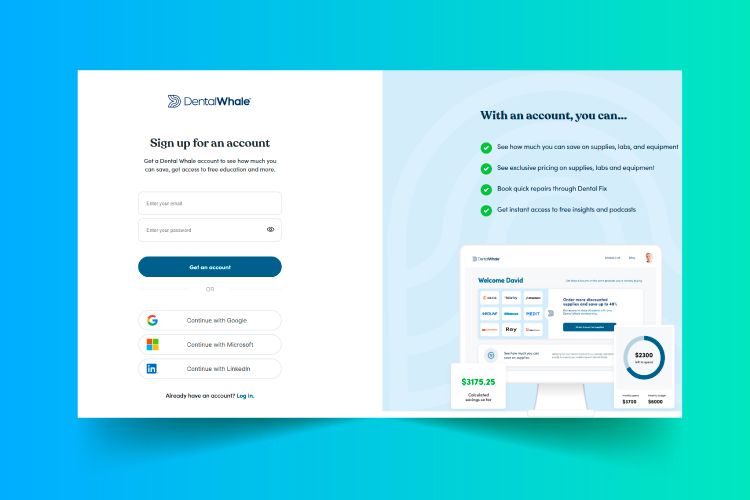
Dental Practice Management
A complete dental business management platform that enables practices to manage procurement, equipment services, laboratory workflows, training, business analytics, and practice operations efficiently from one centralized, integrated system.
View case study
Enterprise Data Management questions, answered.
What are enterprise data management services?
They cover the systems that collect, integrate, store, govern, and serve data across a whole organization. That means pipelines and warehousing, plus the quality rules, access controls, and cataloging that keep the data trustworthy. The output is one source of truth your reporting and AI can rely on.
What's the difference between data management and data engineering?
Data engineering builds and runs the pipelines that move and transform data. Data management is the wider discipline around it: quality, governance, security, retention, and clear ownership across the full data lifecycle. Most engagements need both, so we scope them together rather than selling pipelines alone.
How do your data quality management services work?
We profile your existing sources first to find duplicates, nulls, and schema drift, then encode validation and deduplication rules directly into the pipelines. Monitoring and alerting catch failures at load time instead of letting them surface in a report weeks later. You get a quality dashboard with pass rates per source.
What is data governance?
The policies and ownership model that define who can access which data, how it is cataloged and tracked, and how compliance obligations are met. In practice that is a data catalog, documented lineage, role-based access, and a named owner for each data domain. Without it, quality improvements degrade within months.
Do I need a data warehouse?
If you are combining data from more than a couple of systems for reporting or AI, yes. Cloud data management services around a warehouse or lakehouse scale further than an operational database, and at high volume that becomes big data management services: partitioning, streaming, and cost controls. A cloud warehouse or lakehouse gives you a query-ready layer that scales without slowing your operational databases. With a single application and modest volumes, a read replica and better reporting may be enough for now.
How does data management support AI?
Models and agents inherit the flaws of their inputs, so retrieval quality, freshness, and access controls decide whether an AI feature is usable. Clean, integrated, documented data also makes evaluation possible, because you can trace an output back to the record that produced it. We treat the data foundation as part of the AI scope, not a prerequisite you sort out alone.
How do you handle data security and compliance?
Role-based access control, encryption in transit and at rest, column-level masking for sensitive fields, and lineage tracking so you can prove where a value came from. We map those controls to the regulations you operate under, including HIPAA, SOC 2, and GDPR requirements, and document them so auditors have evidence.
Which IT services are best for data management?
For most mid-market companies the useful set is data integration, cloud warehousing, data quality and observability, governance and cataloging, and ongoing support for the pipelines once they are live. Tooling choice matters less than whether those five are owned end to end. Splitting them across separate vendors is the usual reason data platforms fragment.
Should we outsource data management services or hire in-house?
Outsource data management services when you need a platform built once and handed over, or when hiring senior data engineers would take longer than the project itself. Build in-house when data work is continuous and central to your product. A common split is an outsourced build, a two to three month handover, then an internal owner running it.
How do you choose between data management services companies?
Ask to meet the engineers who will do the work rather than an account team, and check whether they have shipped on your warehouse and orchestration stack. Ask how they handle schema changes, backfills, and query cost control, because that is where data projects stall. We start with a 40-hour paid trial so you can judge the code before committing to a full scope.
How long does an enterprise data management project take?
A focused integration or warehouse build is typically six to twelve weeks. An organization-wide platform with governance, master data, and several source systems runs four to nine months, delivered in phases so the first useful dataset lands inside the first month. The main variable is how quickly you can get access approvals for each source.
How much do enterprise data management services cost?
A focused integration or warehouse setup typically runs $15,000 to $50,000. Organization-wide platforms with governance and master data management range from $50,000 to $200,000 or more, depending on source count and compliance scope. We quote a defined scope after a short data audit rather than guessing up front.
Bring your Data under control.
Use our no-obligation 40-hour trial to evaluate how we approach your data quality, ownership, governance, and reporting requirements before committing to a larger engagement.
Latest Insights.
View all postsPractical guides from our team on data management, governance, analytics, AI, and building reliable data systems.