Data Modernization Services.
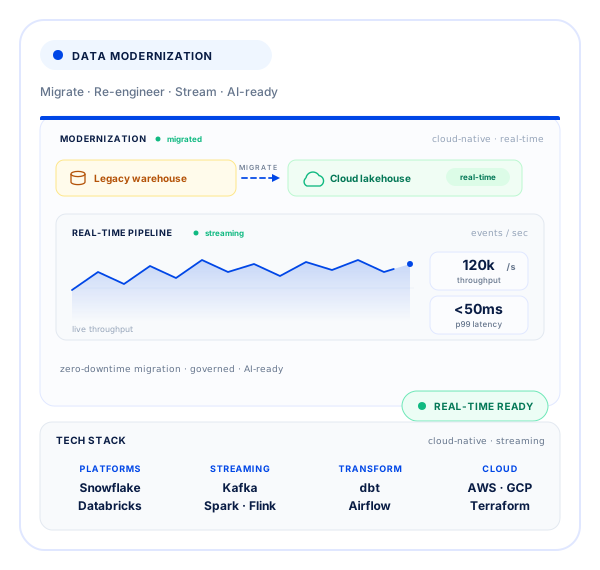
Modernize legacy warehouses, pipelines, and data platforms with phased migrations to cloud-native infrastructure built for current analytics, operational, and AI workloads.
- Zero
Downtime migration
- 99%
Uptime
- 10+
Years experience
- 95%
Client retention
Modernize Legacy Data without disrupting the business
Legacy data platforms become expensive to maintain when pipelines break, warehouses struggle with volume, and teams depend on manual workarounds for reporting. We modernize storage, pipelines, and architecture in planned phases so your organization gains better performance, reliability, and room to grow without a high-risk rebuild.
Legacy platform limits
Legacy warehouses and databases limit performance, integration options, and the services teams can build on top of them.
Brittle data flows
Old integrations and batch jobs keep information fragmented and delay reporting or operational decisions.
High operating cost
Rising licensing, infrastructure, and maintenance costs make the current platform harder to justify each year.
Modernize Warehouses, pipelines, and data platforms
Our data modernization services cover migration, warehouse upgrades, pipeline re-engineering, lakehouse architecture, streaming, and the controls needed to operate the new platform.
Cloud data migration
Move warehouses, databases, and data lakes to modern cloud platforms through phased, validated migrations.
Warehouse modernization
Upgrade legacy warehouse architecture for better performance, scalability, cost control, and modern analytics workloads.
Pipeline re-engineering
Replace fragile ETL jobs with tested, observable pipelines that are easier to operate and change.
Data lake & lakehouse
Create lakehouse or data lake architectures for structured and unstructured data without duplicating unnecessary storage.
Real-time streaming
Add event streaming where the business needs fresher data for monitoring, operations, or customer-facing features.
Modern data architecture
Design modern data architecture around ownership, access, lineage, and the workloads teams need to run after migration.
Our Data Modernization process, phase by phase
A phased modernization process that inventories the current estate, designs the target architecture, migrates workloads safely, validates outputs, and retires legacy components only after the new platform is proven.
- 01
Assess
We inventory sources, warehouses, pipelines, reports, dependencies, costs, and operational constraints.
- 02
Strategy
We define the target architecture, migration waves, validation criteria, rollback paths, and expected operating cost.
- 03
Migrate
We migrate workloads in controlled phases and reconcile data before each cutover.
- 04
Re-engineer
We re-engineer pipelines, transformations, orchestration, and monitoring for the new environment.
- 05
Govern
We apply quality, security, lineage, and access controls before the new platform becomes the system of record.
- 06
Optimize & hand over
We tune performance and cost, complete handover, and retire legacy components after the new platform is stable.
Technology for Modern Data Platforms.
We use established cloud warehouses, orchestration tools, streaming platforms, databases, and infrastructure selected around your migration path and operating requirements.
Data modernization built with Control.
Modernization work succeeds when the migration protects business continuity and leaves the new platform easier to operate than the one it replaces.
Workload-driven architecture
We design the target platform around the reporting, operational, analytics, and AI workloads your teams actually need.
Phased migration
We migrate in validated increments with reconciliation and rollback paths instead of relying on one large cutover.
Built for current workloads
The new platform is designed for current volume, performance, freshness, and scaling requirements.
Controls built in
Quality checks, lineage, access controls, and operating documentation are part of the modernization scope.
Industries we serve
Legacy constraints turned into Modern Platforms.
View all case studiesExplore software and data projects where our engineers solved migration, scalability, integration, and platform challenges for clients.
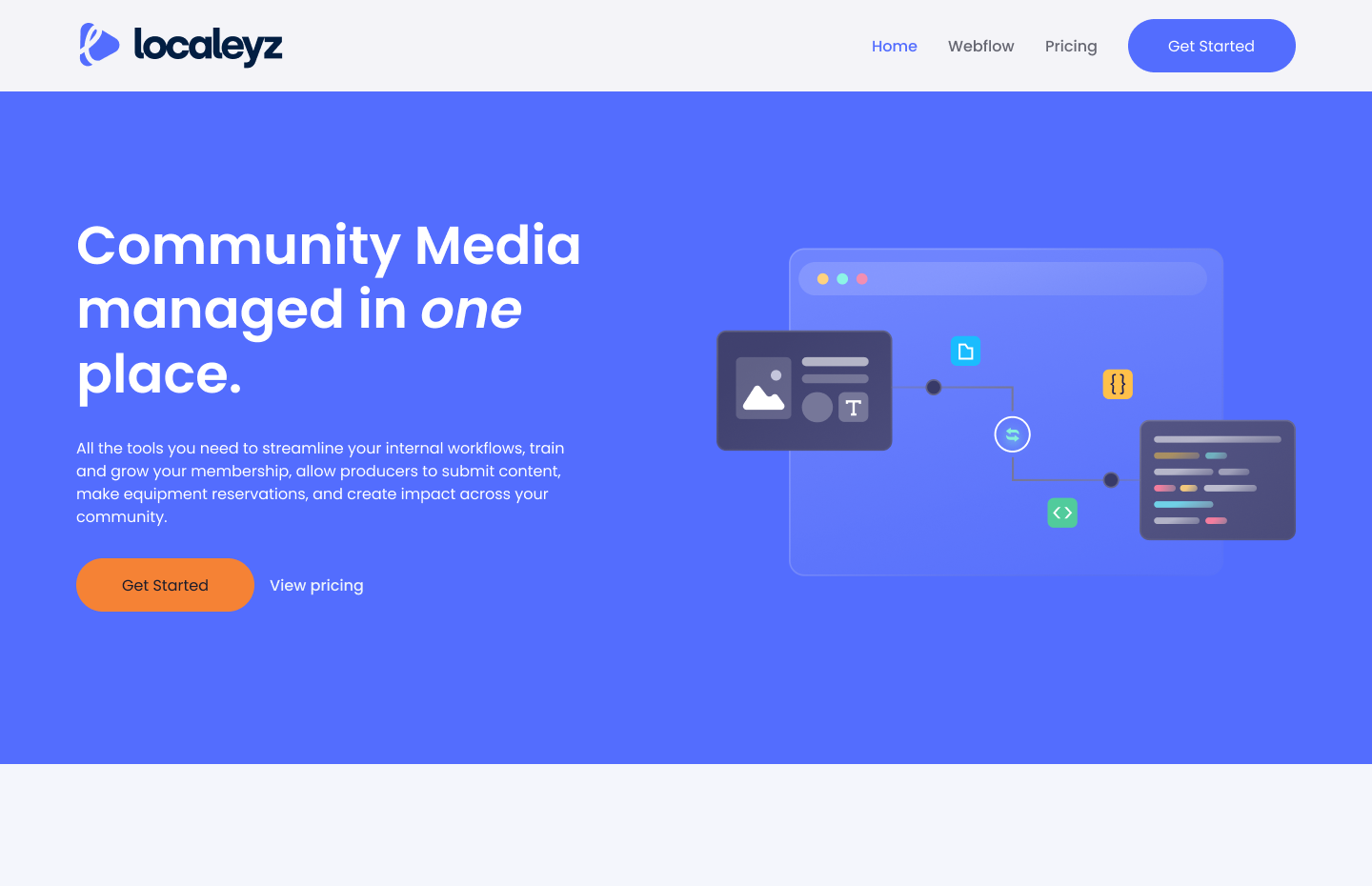
Centralizing Sales Communication with an AI-Powered CRM System
An AI-powered CRM that brings calls, WhatsApp, SMS, and email into one platform, automatically captures leads, triggers follow-ups, and gives sales managers complete visibility into pipeline performance and team activity.
View case study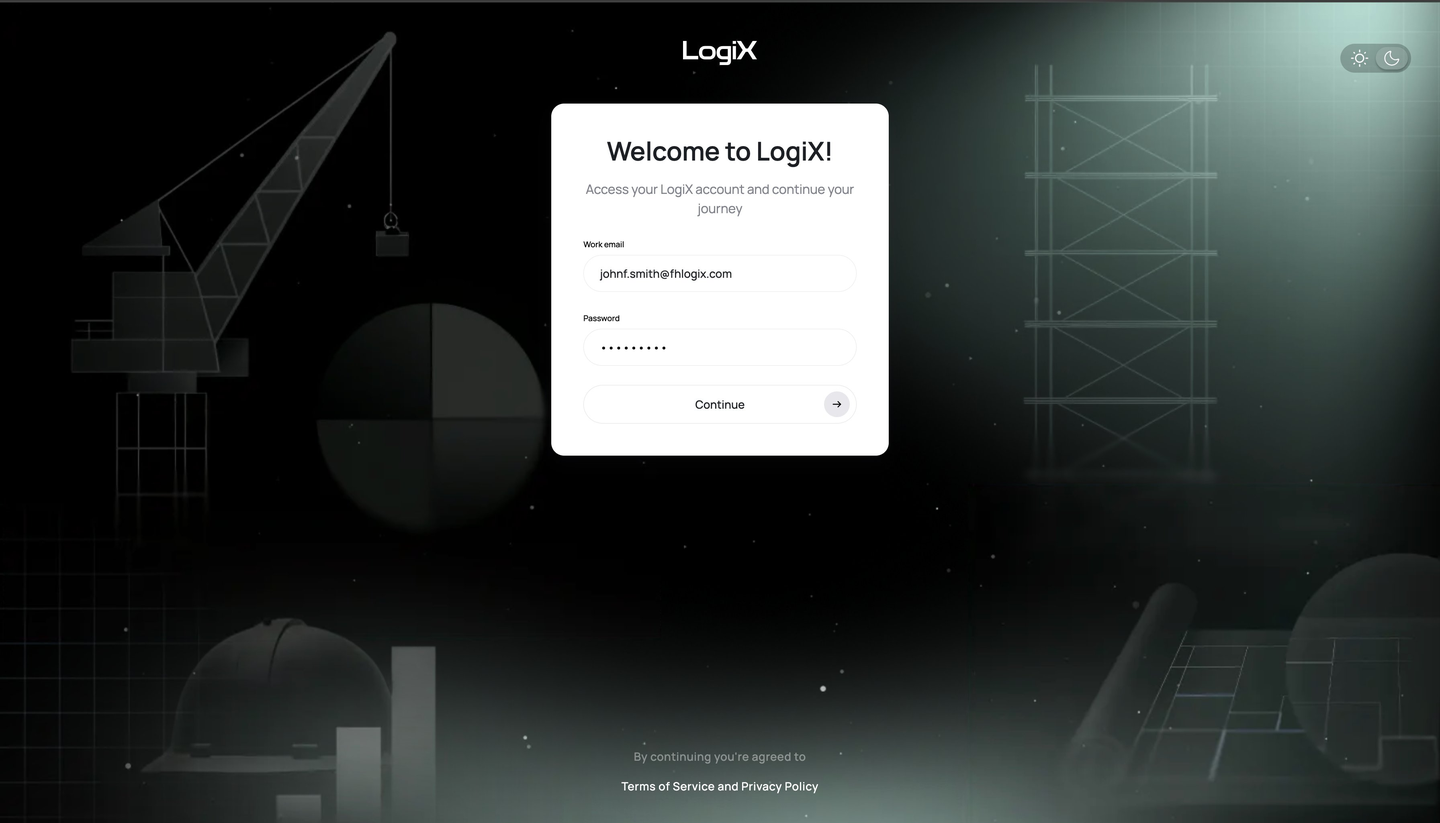
Contract Review Platform
A document management system provides a variety of add-on modules, such as a contract engine and payment engine that detect discrepancies, anomalies, and potential problems within the documents.
View case study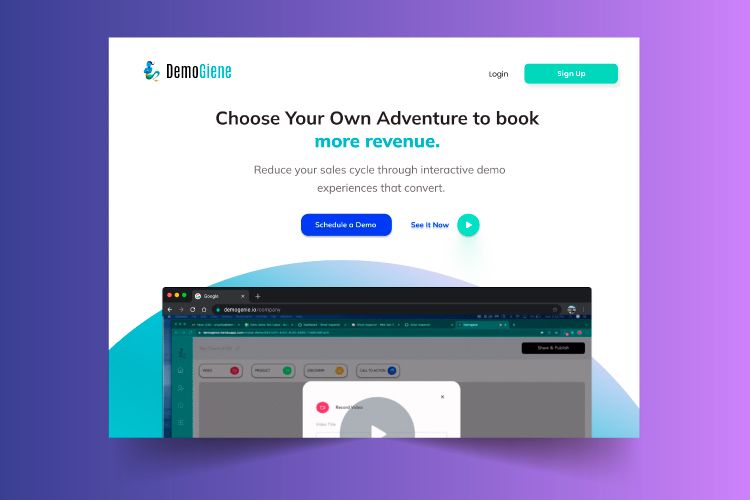
Customer Journey Platform
The platform enables teams to create interactive walkthroughs for product flows, and guided experiences while gaining valuable insights into user interactions, engagement, and behavior throughout every digital experience.
View case study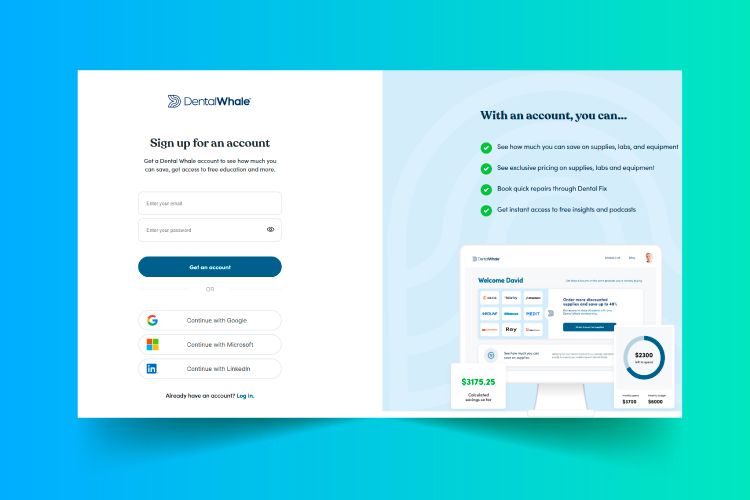
Dental Practice Management
A complete dental business management platform that enables practices to manage procurement, equipment services, laboratory workflows, training, business analytics, and practice operations efficiently from one centralized, integrated system.
View case study
Data Modernization questions, answered.
What is data modernization?
Data modernization is the work of upgrading how your organization stores, moves, and analyzes data, usually by replacing legacy on-premise warehouses and batch ETL with cloud-native storage and automated pipelines. The goal is a platform that handles current volume and velocity, and that analytics and AI tools can query without workarounds.
What is data warehouse modernization?
Data warehouse modernization is the narrower project of moving one warehouse, for example SQL Server, Oracle, Teradata, or Netezza, onto a cloud platform such as Snowflake, BigQuery, Databricks, or Redshift. It covers schema translation, historical backfill, pipeline rewrites, and report validation. It is often the first phase of a wider data modernization program.
Why is data modernization important for AI?
Models are only as good as the data they can reach. Legacy estates scatter data across silos with no lineage or freshness guarantees, so teams spend their time hand assembling datasets instead of shipping features. Data modernization gives models governed, current data through pipelines that run without manual effort.
How is data modernization different from data management?
Data management is the ongoing discipline of running your data well: quality, governance, cataloging, and access control. Data modernization is the finite project of replacing the underlying platform and pipelines. Most teams modernize first, then hand a cleaner estate to a management practice that can hold it.
Should we migrate our existing warehouse or rebuild the model?
It depends on how much of the current model still reflects the business. If the schema and business logic are sound, a lift-and-reshape migration onto a cloud warehouse is faster and cheaper. If reports are already unreliable and nobody trusts the numbers, remodeling during the migration costs less than carrying the problem forward.
Do you create a data modernization strategy before migrating?
Yes. Every engagement opens with a fixed-fee assessment that inventories sources, workloads, and reports, then produces a data modernization strategy covering target architecture, phase sequence, and run cost. The assessment is scoped as a standalone deliverable, so the plan stays useful even if you take the build elsewhere.
How do you reduce data migration risk?
We migrate in validated increments and run the old and new systems side by side until the numbers reconcile, so cutover happens phase by phase rather than in a single weekend. Each phase is delivered with row counts, reconciliation queries, and a documented rollback path, and reports are promoted once their outputs match the legacy system.
How long does data modernization take?
A contained single-warehouse migration usually takes four to eight weeks. A full estate with many sources and compliance requirements runs several months, delivered in phases so the first useful workloads land early.
How much do data modernization services cost?
A focused warehouse migration typically runs $25,000 to $75,000. Full estate modernization ranges from $75,000 to $300,000 and up, depending on source count, data volume, and compliance scope. The assessment turns that range into a per-phase estimate, so you approve one phase at a time.
What is the ROI of data platform modernization?
Return on data platform modernization shows up in three places: licensing and infrastructure spend retired with the old system, engineering hours no longer spent nursing brittle pipelines, and analytics or AI work that becomes possible at all. We baseline your current run costs first, so the comparison is measurable rather than theoretical.
Can AI help accelerate the migration itself?
Yes, in the mechanical parts. Modern tooling and LLM-assisted scripting can draft schema translations, convert stored procedures, and generate documentation and test cases, which removes much of the manual work that slowed older migrations. Engineers still own the business logic and every validation gate.
What does an AI-ready data architecture look like?
Cloud-native storage separated from compute, automated pipelines with streaming where freshness matters, lineage and column-level access control, a semantic layer so every consumer reads the same definitions, and mesh or fabric ownership patterns where teams publish their own data products. Data architecture modernization is what gets you there from a warehouse built only for nightly reporting.
Plan your Data Modernization with a clear migration path.
Use our no-obligation 40-hour trial to evaluate how we assess your current platform, migration risk, target architecture, and first modernization phase before committing to a larger program.
Latest Insights.
View all postsPractical guides from our team on data modernization, cloud architecture, data engineering, AI, and building reliable platforms.