A Next.js Development Company for content, commerce, and product front ends.
Build Next.js sites and applications with server rendering, headless CMS workflows, route-level performance decisions, structured SEO, and a deployment model your team can operate. Coding Crafts runs on Next.js too.
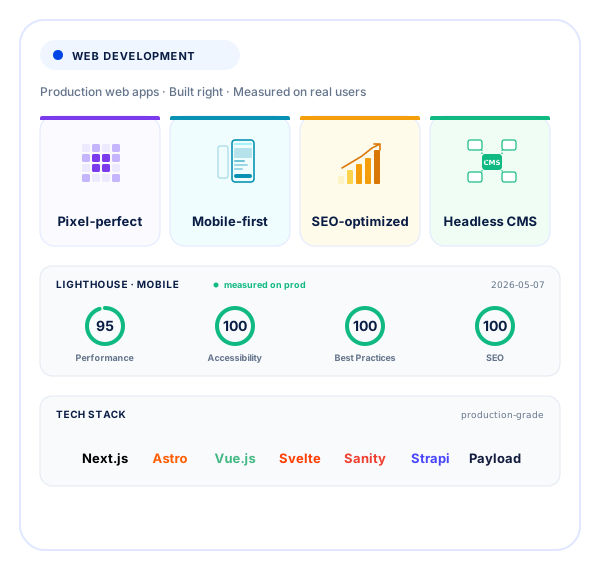
- 100+
Sites launched
- < 2.5s
LCP target
- 70+
Happy clients
- 99%
Uptime
Next.js Development Services for sites that mix content and application logic
Next.js is useful when a product needs React plus server rendering, routing, content delivery, caching, and production conventions in one framework. The problems usually come from using those features without a route-by-route architecture.
Public pages render too late
Important content relies on client-side JavaScript, so first loads, previews, and crawl behavior are weaker than they need to be.
Content changes require code releases
Marketing depends on engineering for routine pages because the content model, preview flow, and CMS were never designed together.
Legacy publishing stack limits change
Aging themes, plugins, or frontend architecture make performance work, product integrations, and structured content difficult to maintain.
Next.js engineering from Rendering to Deployment
Our Next.js development services include application and site development, headless CMS integration, migrations, commerce, SEO and performance engineering, hosting, upgrades, and ongoing framework support.
Next.js websites and applications
Build marketing sites, product front ends, customer portals, and hybrid content applications with rendering selected according to each route.
Headless CMS integration
Connect Sanity, Contentful, Strapi, or Storyblok with previews, structured content, reusable page models, and editorial workflows.
Migration to Next.js
Move from WordPress, Gatsby, Create React App, or legacy frontends with URL mapping, content migration, redirect planning, and search parity checks.
E-commerce storefronts
Build storefronts with Shopify, commercetools, or custom commerce services around product discovery, account flows, checkout, and performance.
Performance and SEO engineering
Plan rendering, caching, metadata, structured data, images, fonts, internal links, and Core Web Vitals targets as part of the implementation.
Hosting and deployment
Deploy to Vercel, AWS, or another suitable platform with previews, caching, environment controls, observability, and documented ownership.
Next.js consulting and upgrades
Review App Router adoption, rendering choices, Server Components, caching, upgrades, dependency health, and existing framework architecture.
Support and maintenance
Handle Next.js and React upgrades, dependency maintenance, production issues, performance changes, and planned feature releases after launch.
Our Next.js Delivery process
A Next.js delivery process that connects route strategy, content structure, interface components, search requirements, performance, hosting, and production handover.
- 01
Discovery
We review routes, content, traffic, search performance, integrations, editor workflows, current hosting, and the goals for the new build.
- 02
Architecture
We decide rendering and caching by route, define the content model, data sources, component boundaries, and hosting approach before page development expands.
- 03
Design system
We establish reusable components, layout rules, content patterns, and accessible interaction behavior before individual pages multiply.
- 04
Development
We build in short iterations with preview deployments available for content, product, and engineering review.
- 05
SEO and performance QA
We validate redirects, metadata, structured data, crawlability, Core Web Vitals, browser behavior, and important content paths before cutover.
- 06
Launch and handover
We handle cutover, monitoring, CMS training, deployment documentation, and handover for the teams that will publish and maintain the site.
Technology for Production Next.js
We choose content, commerce, UI, hosting, and delivery tools around the Next.js application rather than forcing every project into the same platform combination.
Next.js expertise grounded in Real Production Use
We maintain our own Next.js and headless CMS production stack, so recommendations come from the same performance, publishing, deployment, and upgrade problems our clients face.
We run the stack ourselves
codingcrafts.io uses Next.js with a headless CMS, so we maintain the framework, content workflow, deployment, and search behavior we recommend.
Search behavior is architectural
Rendering, redirects, metadata, schema, internal linking, and content structure are handled as engineering requirements.
Publishing does not depend on releases
CMS models, previews, and reusable page structures let content teams manage routine publishing without changing application code.
Code and accounts stay yours
The TypeScript codebase, CMS project, hosting, documentation, and delivery setup remain available to your team after handover.
Industries we serve
Next.js sites and products we have shipped
View all case studiesExplore web products where our engineers solved rendering, content, migration, performance, and search challenges.
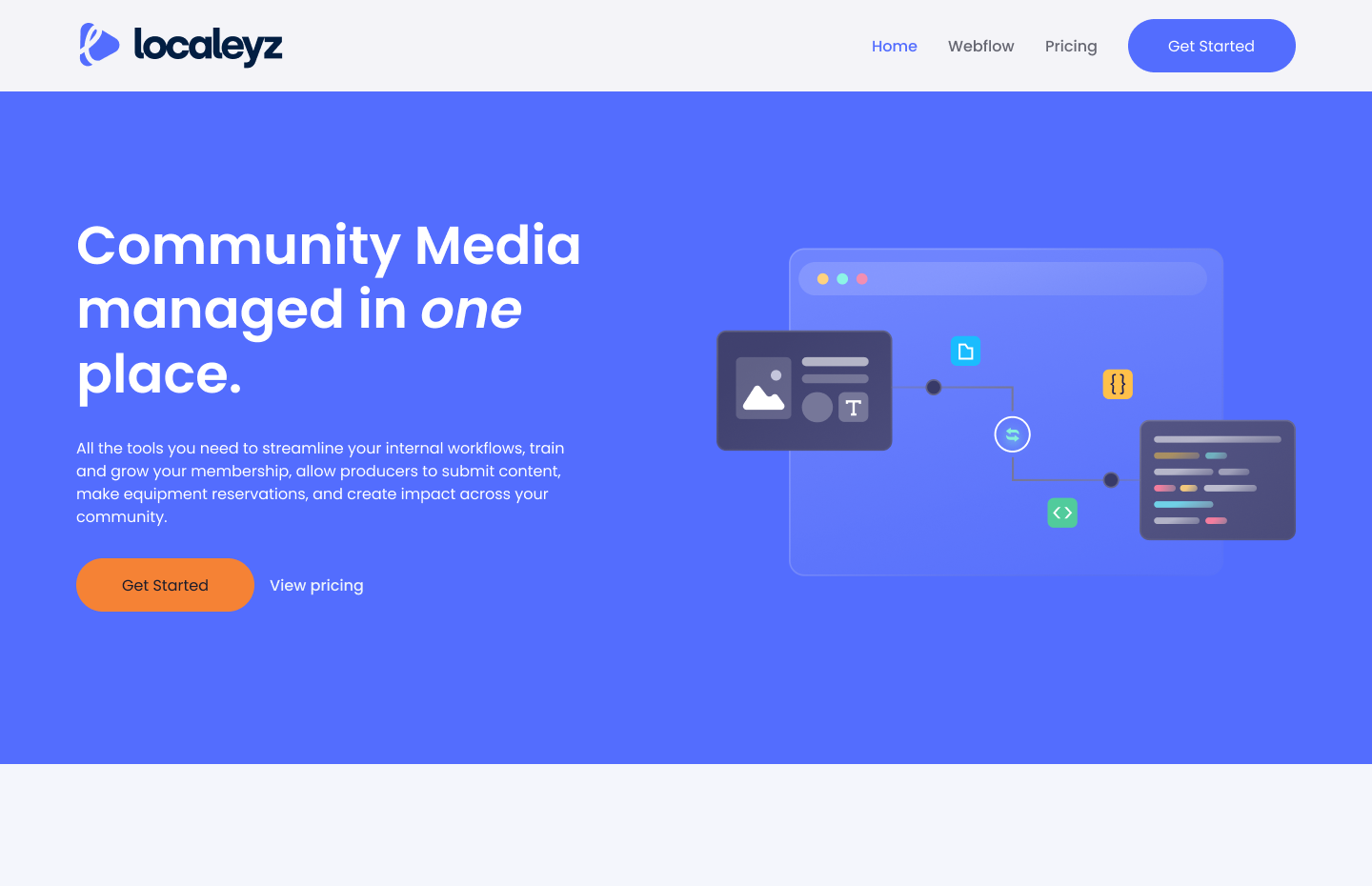
Centralizing Sales Communication with an AI-Powered CRM System
An AI-powered CRM that brings calls, WhatsApp, SMS, and email into one platform, automatically captures leads, triggers follow-ups, and gives sales managers complete visibility into pipeline performance and team activity.
View case study
Contract Review Platform
A document management system provides a variety of add-on modules, such as a contract engine and payment engine that detect discrepancies, anomalies, and potential problems within the documents.
View case study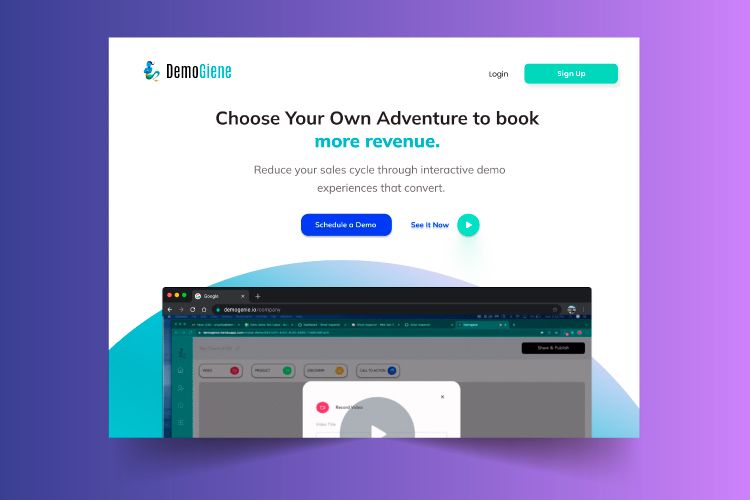
Customer Journey Platform
The platform enables teams to create interactive walkthroughs for product flows, and guided experiences while gaining valuable insights into user interactions, engagement, and behavior throughout every digital experience.
View case study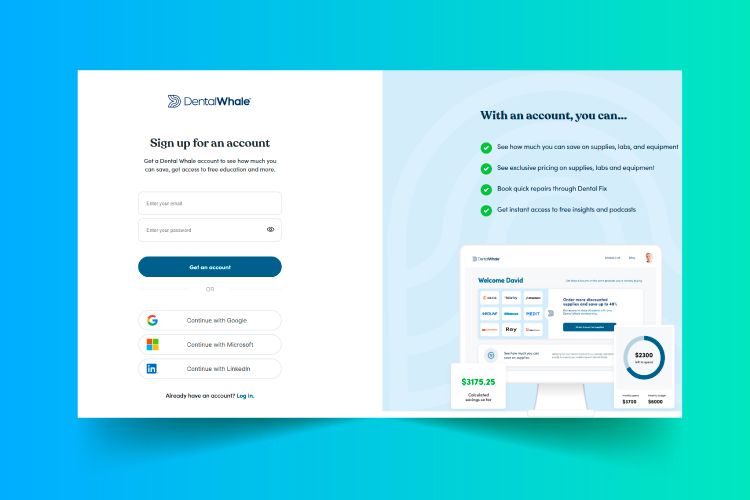
Dental Practice Management
A complete dental business management platform that enables practices to manage procurement, equipment services, laboratory workflows, training, business analytics, and practice operations efficiently from one centralized, integrated system.
View case study
What clients say about working with Coding Crafts
Verified reviews from teams we've shipped alongside, from early-stage MVPs to enterprise platforms running in production.
- ★★★★★
“Coding Crafts' engineers were highly engaged and shared our goal of delivering the product within a certain timeframe.”
Co-Founder, Async LabsVERIFIED VIA CLUTCH → - ★★★★★
“Their nimbleness and willingness to meet any challenge with conviction impressed us.”
Product Director, Yoga Joint LLCVERIFIED VIA CLUTCH → - ★★★★★
“I'm impressed by the team and their availability.”
CEO, Boalt LLCVERIFIED VIA CLUTCH →
Next.js development FAQs
What is a Next.js development company?
A Next.js development company builds websites and web applications on Next.js, the React framework that adds server rendering, routing, and data fetching. In practice that means front-end engineering plus the content, hosting, and SEO work around it.
Next.js or plain React?
Use Next.js when pages need to be indexed, load fast on first visit, or mix static and dynamic content: marketing sites, e-commerce, content platforms, and most customer-facing products. Plain React with Vite is fine for authenticated internal tools where SEO does not matter.
How much does a Next.js website or app cost?
Marketing sites with a CMS typically land in the low-to-mid five figures; product front ends and storefronts range higher depending on integrations and roles. We scope and price phase by phase, so each phase is a separate decision.
How long does a Next.js project take?
A CMS-backed marketing site usually ships in 6 to 10 weeks; application front ends in 8 to 14 weeks for a first release. You see working pages on preview URLs from the second sprint.
Can you migrate our WordPress or React site to Next.js?
Yes. We map every existing URL, build redirects, verify SEO parity, and cut over with monitoring in place. Content moves to a headless CMS so editors keep a familiar workflow.
Where does a Next.js site host?
Vercel is the default for most clients because deployments, previews, and edge caching are built in. We also deploy to AWS or other clouds when compliance or existing infrastructure requires it.
Who owns the code and the CMS?
You do. Repositories, hosting accounts, and CMS projects are yours under the engagement terms, with documentation and a handover session included.
Build your Next.js Product for search and production.
Use our no-obligation 40-hour trial to evaluate how we approach one real Next.js route, migration, CMS, rendering, or performance problem before committing to a larger engagement.
Latest Insights.
View all postsPractical essays and guides from our team on building and shipping great software.