A React JS Development Company for complex product interfaces.
Build React applications, dashboards, portals, and design systems with deliberate state, data, component, testing, and performance architecture your team can extend after launch.
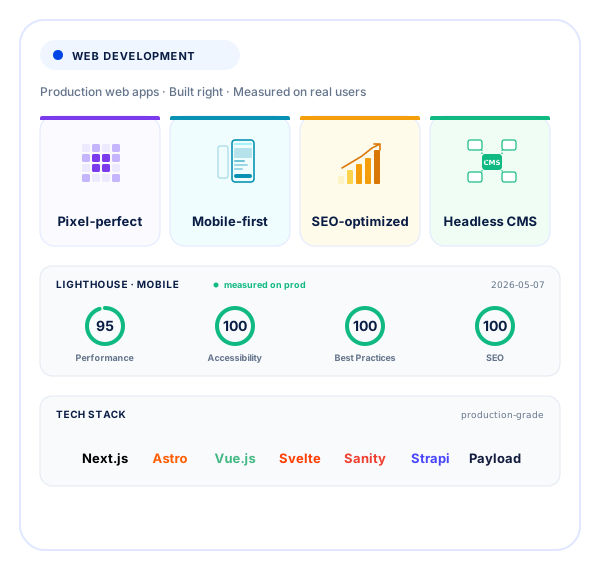
- 100+
Sites launched
- < 2.5s
LCP target
- 70+
Happy clients
- 99%
Uptime
React Development Services for interfaces that became hard to change
React makes it easy to build interface features quickly. Without clear component, state, data, and testing boundaries, that speed turns into duplicate UI, unpredictable behavior, and frontend changes that take longer each quarter.
Frontend performance debt
Large bundles, unnecessary re-renders, heavy dependencies, and poorly handled data loading make important screens feel slower than the product logic requires.
Component duplication
Teams create slightly different versions of the same interface patterns because shared components, tokens, and ownership rules were never established.
Legacy frontend blocks progress
A jQuery, Angular, Vue, or server-rendered interface is difficult to replace all at once, so modernization stays postponed and new work continues on the old stack.
React engineering from Component System to Production
Our React development services include application interfaces, dashboards, design systems, migrations, performance work, architecture review, backend integration, and ongoing frontend maintenance.
Custom React applications
Build browser applications with React and TypeScript using routing, data, state, and rendering patterns selected for the actual product requirements.
Dashboards and internal tools
Build data-heavy admin, analytics, operational, and account interfaces with roles, filtering, real-time updates, and complex user workflows.
Design systems and component libraries
Create accessible reusable components, tokens, documentation, and visual tests that reduce interface drift between teams and releases.
Migration to React
Move legacy frontends to React in stages, keeping current routes and authentication working as screens or modules are replaced.
Frontend performance
Reduce bundle weight, rendering work, unnecessary requests, image and font cost, and interaction delays with measurable budgets and monitoring.
React consulting and code review
Review component boundaries, state management, data access, routing, testing, dependency health, and upgrade paths for existing React teams.
API and backend integration
Build typed frontend data layers around REST or GraphQL APIs, authentication, permissions, caching, optimistic updates, and error handling.
Support and maintenance
Handle React and dependency upgrades, production defects, performance changes, design-system work, and planned frontend releases after launch.
Our React Frontend Engineering process
A React engineering process that defines the interface architecture first, builds reusable foundations, delivers screens against real APIs, and validates quality and performance before handover.
- 01
Discovery
We map users, workflows, current frontend problems, APIs, roles, design requirements, and the first part of the interface that needs improvement.
- 02
Architecture
We define routing, component boundaries, state ownership, server data, forms, permissions, and API contracts before the screen count grows.
- 03
Design system
We establish tokens, core components, interaction patterns, accessibility behavior, and documentation for the interface primitives the product will reuse.
- 04
Development
We build in short iterations against real data and APIs with working screens available for product and engineering review.
- 05
Quality and performance
We test component behavior, integrations, end-to-end workflows, accessibility, browser behavior, and measurable frontend performance.
- 06
Launch and handover
We release with monitoring, documentation, Storybook or component references where relevant, and a walkthrough for the team that will maintain the frontend.
Technology for Maintainable React Frontends
We choose state, data, routing, UI, testing, and delivery tools according to the application rather than adding libraries before the product needs them.
React engineering built around Interface Maintainability
We focus on the parts that determine how a React application changes over time: component ownership, data flow, testability, performance, and the design system behind the screens.
State and data stay deliberate
Local state, server data, forms, permissions, and shared application state are separated so one feature does not quietly control the whole frontend.
Reusable interface foundations
Shared components and tokens reduce duplicate markup and make product changes easier to apply without creating visual drift.
Performance stays measurable
Bundle size, interaction cost, rendering behavior, and important user flows are reviewed during development and after production release.
Frontend your team can own
TypeScript, tests, documentation, reusable components, and delivery setup remain usable by your engineers after handover.
Industries we serve
React interfaces we have shipped
View all case studiesExplore products where our engineers solved frontend architecture, dashboard, design-system, migration, and performance challenges.
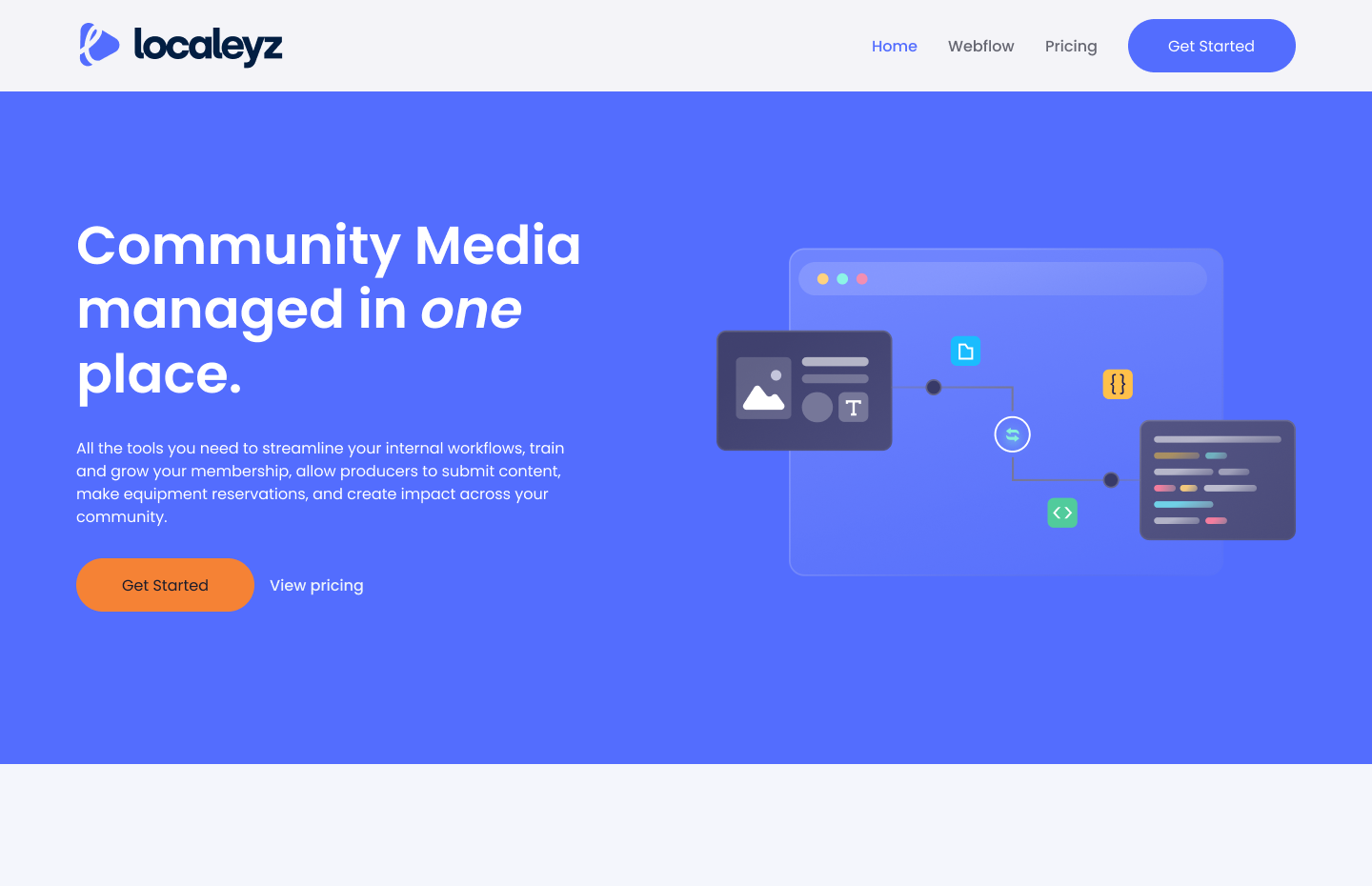
Centralizing Sales Communication with an AI-Powered CRM System
An AI-powered CRM that brings calls, WhatsApp, SMS, and email into one platform, automatically captures leads, triggers follow-ups, and gives sales managers complete visibility into pipeline performance and team activity.
View case study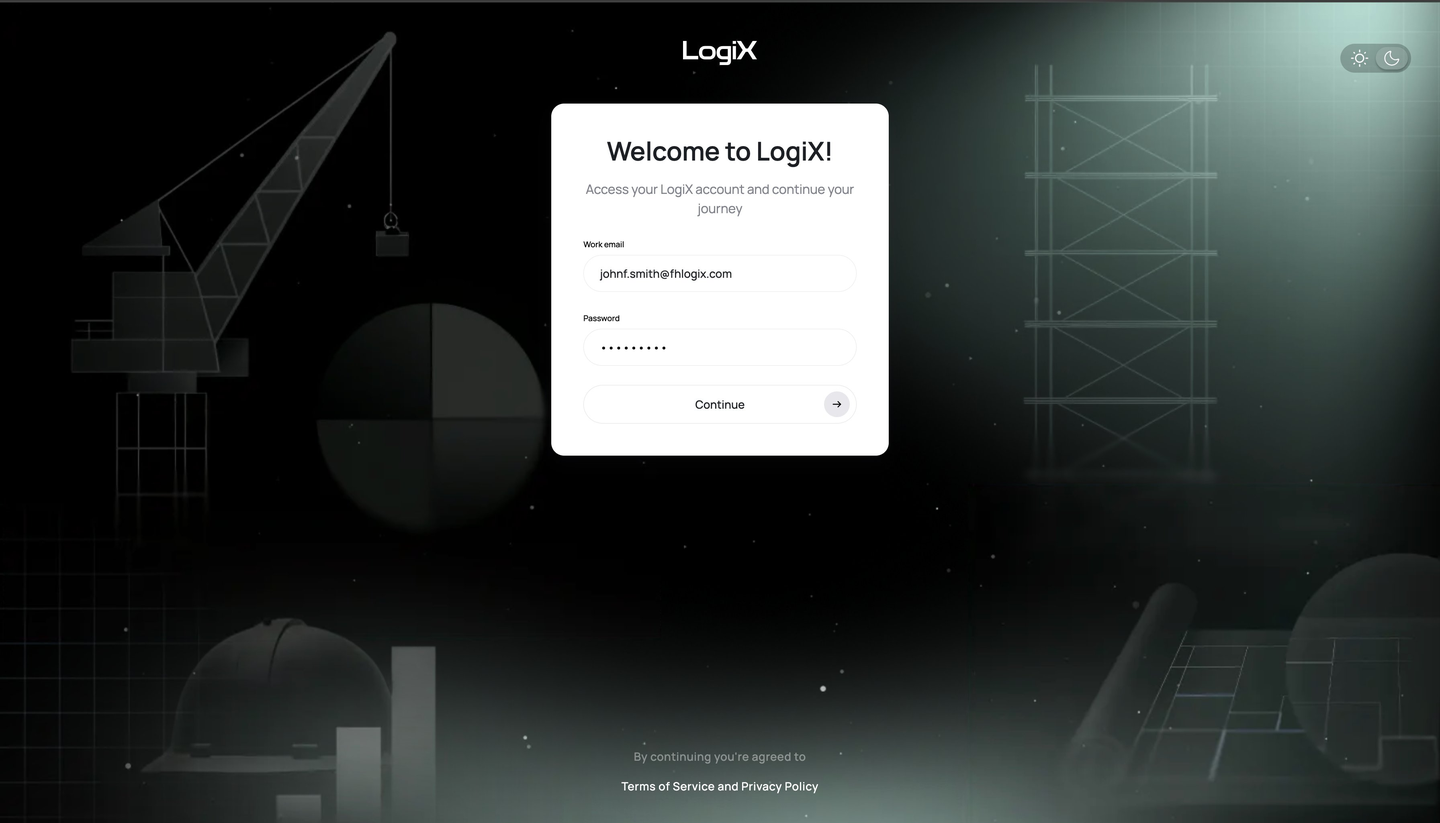
Contract Review Platform
A document management system provides a variety of add-on modules, such as a contract engine and payment engine that detect discrepancies, anomalies, and potential problems within the documents.
View case study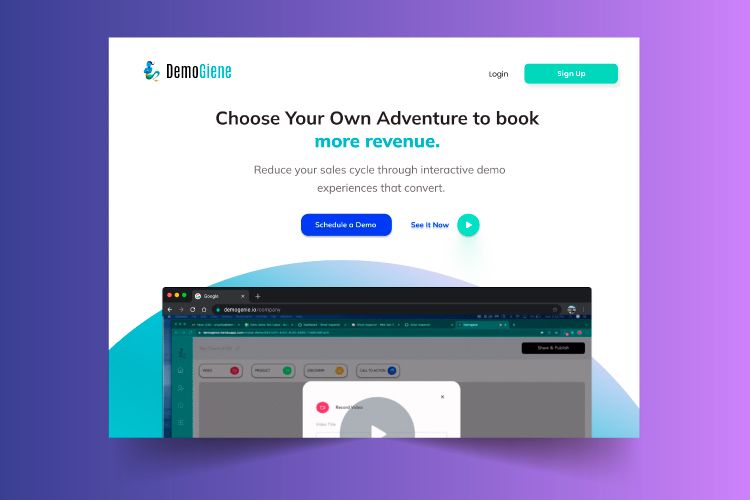
Customer Journey Platform
The platform enables teams to create interactive walkthroughs for product flows, and guided experiences while gaining valuable insights into user interactions, engagement, and behavior throughout every digital experience.
View case study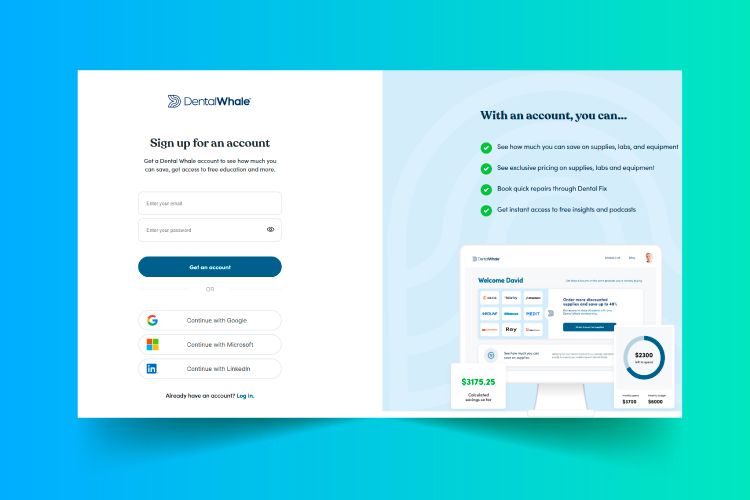
Dental Practice Management
A complete dental business management platform that enables practices to manage procurement, equipment services, laboratory workflows, training, business analytics, and practice operations efficiently from one centralized, integrated system.
View case study
What clients say about working with Coding Crafts
Verified reviews from teams we've shipped alongside, from early-stage MVPs to enterprise platforms running in production.
- ★★★★★
“Coding Crafts' engineers were highly engaged and shared our goal of delivering the product within a certain timeframe.”
Co-Founder, Async LabsVERIFIED VIA CLUTCH → - ★★★★★
“Their nimbleness and willingness to meet any challenge with conviction impressed us.”
Product Director, Yoga Joint LLCVERIFIED VIA CLUTCH → - ★★★★★
“I'm impressed by the team and their availability.”
CEO, Boalt LLCVERIFIED VIA CLUTCH →
React JS development FAQs
What does a React js development company do?
A React development company designs, builds, and maintains web applications using the React library: the user interface, its state and data layer, testing, performance, and deployment. We also handle the pieces around React, such as design systems, API integration, and migrations from older front ends.
How much does React development cost?
Most React projects we take on land between the low five figures for a focused dashboard or marketing application and the low-to-mid six figures for a large product with many roles and integrations. Scope, integrations, and design complexity drive the price. We scope and price phase by phase so each phase is a separate decision.
How long does a React project take?
A first production release usually takes 8 to 14 weeks. Architecture and design-system work take the first two to three weeks, then you see working screens at the end of every two-week sprint.
React or Next.js: which should we use?
React is the UI library; Next.js is a framework built on it that adds routing, server rendering, and data fetching conventions. If SEO, fast first loads, or content-heavy pages matter, we usually recommend Next.js. For authenticated internal tools, plain React with Vite is often simpler. We advise on this in discovery.
Can you migrate our existing app to React?
Yes. We migrate incrementally: new React screens run alongside the legacy app behind the same URLs and authentication, and features move over one by one. You never freeze the roadmap for a rewrite.
Do you provide React developers to extend our team?
Yes. Alongside fixed-scope projects we offer dedicated React engineers who work inside your process and tools, with the same code-quality standards and a named point of contact.
Who owns the code?
You do. Repositories, cloud accounts, and design assets are yours under the engagement terms, and every delivery ships with documentation and a handover session.
Build your React Application on a maintainable frontend foundation.
Use our no-obligation 40-hour trial to evaluate how we approach one real React interface, migration, performance, state-management, or design-system problem before committing to a larger engagement.
Latest Insights.
View all postsPractical essays and guides from our team on building and shipping great software.