Fitness App Development Company for Studios and Gyms.
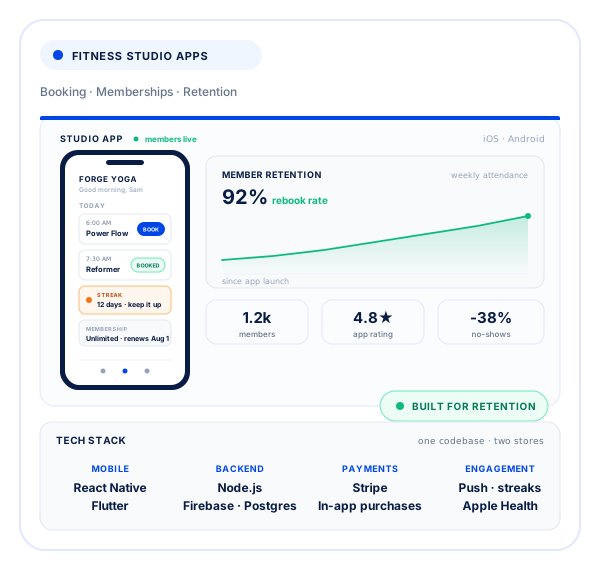
Build a branded fitness app for booking, memberships, payments, workouts, progress, and member communication on iOS and Android.
- 100+
Apps shipped
- 4.5★
Avg rating
- 99%
Crash-free
- 10+
Years experience
Fitness App Development services for studios and gyms
Studios often rely on separate tools for booking, payments, content, member communication, and progress tracking. That creates a fragmented member experience and more manual work for staff. We build one branded app around the way your studio operates and the behaviors that keep members active.
Limited member ownership
Marketplace platforms limit control over the member experience, brand, and the data available to your team.
Late churn signals
Studios often see attendance decline only after a member has already disengaged or cancelled.
Disconnected operations
Disconnected booking, waitlist, membership, and payment workflows create extra work for front-desk staff.
Fitness app features for the Member Journey, from booking to retention
Our fitness app development services cover member booking, payments, video, progress tracking, engagement, staff tools, integrations, and the features needed to run a branded studio experience.
On-demand & live video
Offer recorded programs and live sessions inside your own app so members can train beyond scheduled in-studio classes.
Class booking & scheduling
Give members real-time schedules, booking, waitlists, cancellations, and class availability without front-desk intervention.
Workout & progress tracking
Track workouts, attendance, goals, streaks, and progress so members can see how their activity changes over time.
Push & retention campaigns
Use attendance and app activity to trigger relevant reminders, re-engagement messages, and membership communication.
Trainer & admin dashboards
Give trainers and managers access to class rosters, attendance, memberships, revenue, and member activity in one admin view.
Wearables & integrations
Integrate Apple Health, Health Connect, wearables, payments, and existing studio platforms where APIs and migration options allow it.
Memberships & payments
Manage memberships, class packs, drop-ins, renewals, plan changes, and payment workflows from the same platform.
Community & challenges
Add challenges, leaderboards, groups, and community features when they support the studio's member engagement strategy.
Our fitness app development process, from discovery to launch
A product development process that starts with your studio model and member journey, then moves through design, development, testing, store launch, and improvements based on real usage.
- 01
Strategy & planning
We map your business model, class structure, memberships, current tools, member journey, and the first release goals.
- 02
Design
We design the booking, membership, workout, and staff flows and test the core experience before development moves too far.
- 03
Development
We build the mobile app, backend, admin tools, payments, and integrations in short iterations with regular working builds.
- 04
Testing
We test on real devices and validate booking, payments, notifications, subscriptions, permissions, and failure cases.
- 05
Launch
We prepare store releases, production infrastructure, analytics, and member migration where an existing platform is being replaced.
- 06
Grow & iterate
We review adoption, booking behavior, crashes, retention signals, and member feedback to prioritize post-launch improvements.
Technology for Fitness Apps.
We use mobile, backend, cloud, payment, analytics, and integration technologies selected around the member experience and the way your studio operates.
Fitness products built with Ownership.
A fitness app has to work for members and staff at the same time. We design around reliable booking, payments, data ownership, maintainability, and the operational details that affect everyday studio use.
Member engagement built in
Attendance, progress, reminders, and engagement features are tied to real member behavior instead of added as generic gamification.
Your brand and data
The app ships under your brand and developer accounts, with member and operational data kept in systems you control.
Studio operations in one system
Booking, waitlists, memberships, payments, and staff controls are designed as one operating workflow.
Ready for multi-location growth
Architecture and administration can expand from one location to multi-location operations when the business needs it.
Industries we serve
Product challenges turned into Working Software.
View all case studiesExplore software products where our engineers solved member experience, payments, operations, scalability, and product challenges for clients.
Centralizing Sales Communication with an AI-Powered CRM System
An AI-powered CRM that brings calls, WhatsApp, SMS, and email into one platform, automatically captures leads, triggers follow-ups, and gives sales managers complete visibility into pipeline performance and team activity.
View case study
Contract Review Platform
A document management system provides a variety of add-on modules, such as a contract engine and payment engine that detect discrepancies, anomalies, and potential problems within the documents.
View case study
Customer Journey Platform
The platform enables teams to create interactive walkthroughs for product flows, and guided experiences while gaining valuable insights into user interactions, engagement, and behavior throughout every digital experience.
View case study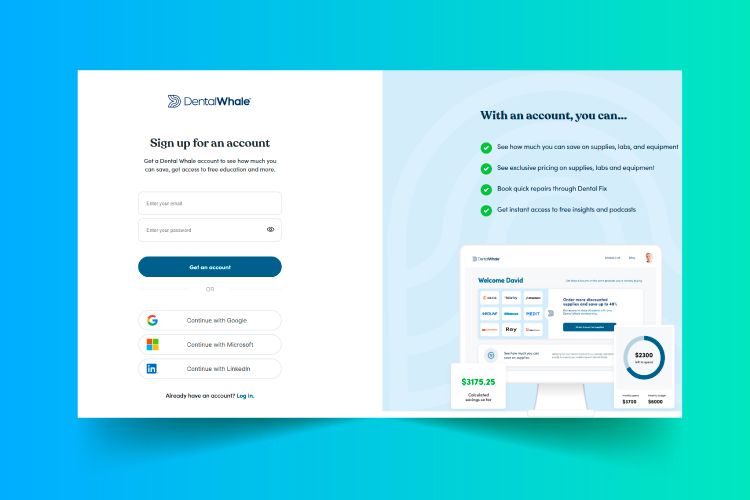
Dental Practice Management
A complete dental business management platform that enables practices to manage procurement, equipment services, laboratory workflows, training, business analytics, and practice operations efficiently from one centralized, integrated system.
View case study
Fitness App Development questions, answered.
What does a fitness app development company do?
It designs, builds, and ships the branded app your members actually use: class booking, memberships, payments, and progress tracking in one place. The scope covers product design, iOS and Android builds, the backend and integrations behind them, store submission, and support after launch. The app is published under your own Apple and Google developer accounts, not the agency's.
How much does fitness app development cost?
Most studio and gym apps land between $25,000 and $150,000, and builds with heavy wearables integration, custom workout content, video streaming, or multi-location support can run past that. A booking and payments first release sits at the low end of the range. We fix scope and price after discovery, and anything you add later is quoted and approved before it's built, so the number never changes without your sign-off.
How long does it take to build a fitness app?
Plan on 3 to 6 months from kickoff to app store launch for a complete first version. A focused release with booking, memberships, and payments can reach the stores in 10 to 14 weeks. After launch, updates usually ship every two to four weeks based on how members actually use the app.
How do you build a fitness app from scratch?
Start with the two or three member behaviors that drive revenue: booking a class, buying a pass, and coming back next week. Those become release one, wrapped in design, a backend, payment handling, and store submission. Social feeds, challenges, and content libraries wait until usage data shows they are worth the build.
Should we build a custom fitness app or use an off-the-shelf platform?
Platforms like Mindbody or Glofox are the cheaper answer while your operations look like everyone else's. Custom health and fitness app development, ideally with a health and fitness app development company that has shipped hybrid programming before, pays off when you run hybrid programming, coaching, or content the platform cannot model, or when per-member fees outgrow a build-and-maintain budget. If you are still working around the tool every week, pricing a custom build is worth an hour.
Native or cross-platform: which is right for a fitness app?
For most gyms and studios, cross-platform fitness mobile app development with React Native or Flutter covers iOS and Android from one codebase at lower cost. Native is the right call when a feature depends on deep platform APIs, such as advanced HealthKit workflows, background sensor use, or an Apple Watch companion. We make that call per feature, not as a blanket rule.
Can you integrate wearables, Apple Health, and Google Fit?
Yes. Fitness tracker app development usually means HealthKit and Health Connect for steps, heart rate, and workouts, plus vendor APIs for Garmin, Fitbit, Whoop, or Strava where their partner programs allow it. Members grant each data permission explicitly, and permissions, background sync, and offline gaps are the real work, so we reconcile readings server side instead of trusting them straight from the device.
Can you migrate us off Mindbody or Glofox?
Yes. We map member records, class schedules, packages, and active subscriptions from whatever the incumbent lets us export, then reconcile against your billing data before cutover so credits and billing dates carry over. Where the platform allows it, we run both systems in parallel through the first billing cycle to catch mismatches before a member sees one.
How do you handle payments and subscriptions?
Stripe covers memberships, class packs, and drop-ins, with Apple and Google in-app purchase where store rules require it for digital content. Failed payments go through automated dunning and retry logic, so failures surface and retry instead of churning members silently. We build freezes, plan changes, and refunds as staff actions in an admin panel rather than support tickets.
What happens after launch?
We stay on through OS updates, store policy changes, crash triage, and a steady release cadence. Analytics reviews show where members drop off between download, first booking, and renewal, and the roadmap follows that data. Maintenance runs on a monthly retainer sized to the app instead of a fixed package.
Who owns the app and the member data?
You do. The app ships under your Apple and Google developer accounts, and code, designs, and infrastructure transfer to you under the contract. Member, booking, and payment records live in systems you control, so there's no lock-in beyond the notice period on support.
How do we choose between fitness app development companies?
Ask for a fixed scope and price before the build starts, and confirm who writes the code and whether they can name the retention metric the app is meant to move. Ask to see a live app in the stores that handles real bookings and recurring payments, not a design mockup. Ownership terms decide the rest: code, store accounts, and member data should be yours from day one.
Plan your Fitness App around the way your studio operates.
Use our no-obligation 40-hour trial to evaluate how we approach your member journey, booking flow, payments, integrations, and first release before committing to the full fitness app build.
Latest Insights.
View all postsPractical guides from our team on mobile apps, fitness software, product development, payments, retention, and reliable digital products.