Custom Blockchain Development Company.
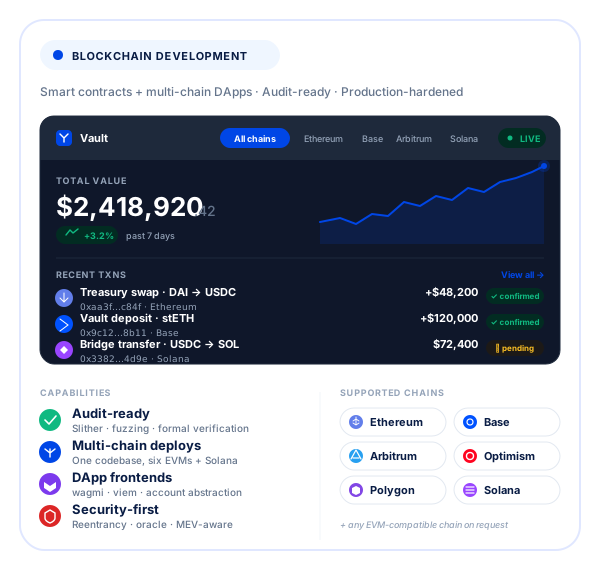
We build secure smart contracts, dApps, DeFi platforms, and NFT marketplaces on Ethereum, Solana, and Polygon, with thorough testing and independent audits before mainnet.
- 3+
Chains shipped
- 100%
Audited contracts
- 10+
Years experience
- 95%
Client retention
Blockchain products built for secure production use
Blockchain systems leave little room for error. We build smart contracts and decentralized applications with security, testing, key management, and independent audits built into the development process from the start.
Smart contract risk
A single contract vulnerability can expose funds, data, or critical business logic.
Complex user experience
Complex wallet flows and unfamiliar interactions make adoption harder for everyday users.
Wrong network choice
The wrong network can increase transaction costs, limit performance, or make future changes harder.
What our Blockchain Development services include
Our custom blockchain solutions cover the full product lifecycle, from smart contract architecture and dApp development to tokenization, wallet integration, enterprise chains, and security audits.
Smart contracts
Design and develop Solidity and Rust contracts with strong test coverage, gas optimization, and independent audits before launch.
dApp development
Build complete decentralized applications with wallet integration, on-chain logic, APIs, and user-friendly interfaces.
DeFi platforms
Develop exchanges, staking, lending, and yield products with security controls designed into the protocol from the start.
NFT marketplaces
Build minting, trading, ownership, and royalty flows with a simple experience for buyers, sellers, and creators.
Tokenization
Plan token utility, issuance, distribution, and the applications required to manage and use digital assets.
Wallets & security audits
Integrate wallets, key management, transaction flows, and independent security reviews before production release.
Our Blockchain Development process, from discovery to mainnet
A structured blockchain development process that validates the use case, designs secure on-chain logic, tests every critical path, and prepares the product for a controlled mainnet launch.
- 01
Discovery
We clarify the use case, identify what belongs on-chain, and select the network that fits your cost, speed, and governance requirements.
- 02
Architecture
We design contract architecture, permissions, upgrade paths, data flows, and transaction costs before development begins.
- 03
Build
We develop the contracts, application interface, wallet flows, and integrations with automated tests around critical behavior.
- 04
Audit
An independent security review identifies contract vulnerabilities and verifies fixes before mainnet deployment.
- 05
Deploy
We deploy through a controlled release process with monitoring, documented permissions, and upgrade paths where appropriate.
- 06
Support
After launch, we monitor the product, maintain contracts and infrastructure, and deliver planned improvements.
Technology for secure Blockchain Products.
We use established blockchain networks, smart contract frameworks, Web3 libraries, and decentralized infrastructure selected around the requirements of each product.
Blockchain engineering built with Care.
We combine blockchain engineering with security, product design, and practical network selection to build systems that work beyond the testnet.
Security-first development
Contract testing, security reviews, and independent audits are part of the delivery process before mainnet.
Production experience
Our team has delivered blockchain products including EarthFund, the 1Earth marketplace, and Krypton's wallet.
Multi-chain expertise
We select networks according to transaction cost, performance, security, ecosystem, and product requirements.
User-focused Web3
We simplify wallet connections, transactions, onboarding, and recovery flows so the product works for users beyond crypto-native audiences.
Industries we serve
Blockchain products built for Production.
View all case studiesExplore blockchain and software products we have delivered, the technical challenges behind them, and the solutions our engineers shipped to production.
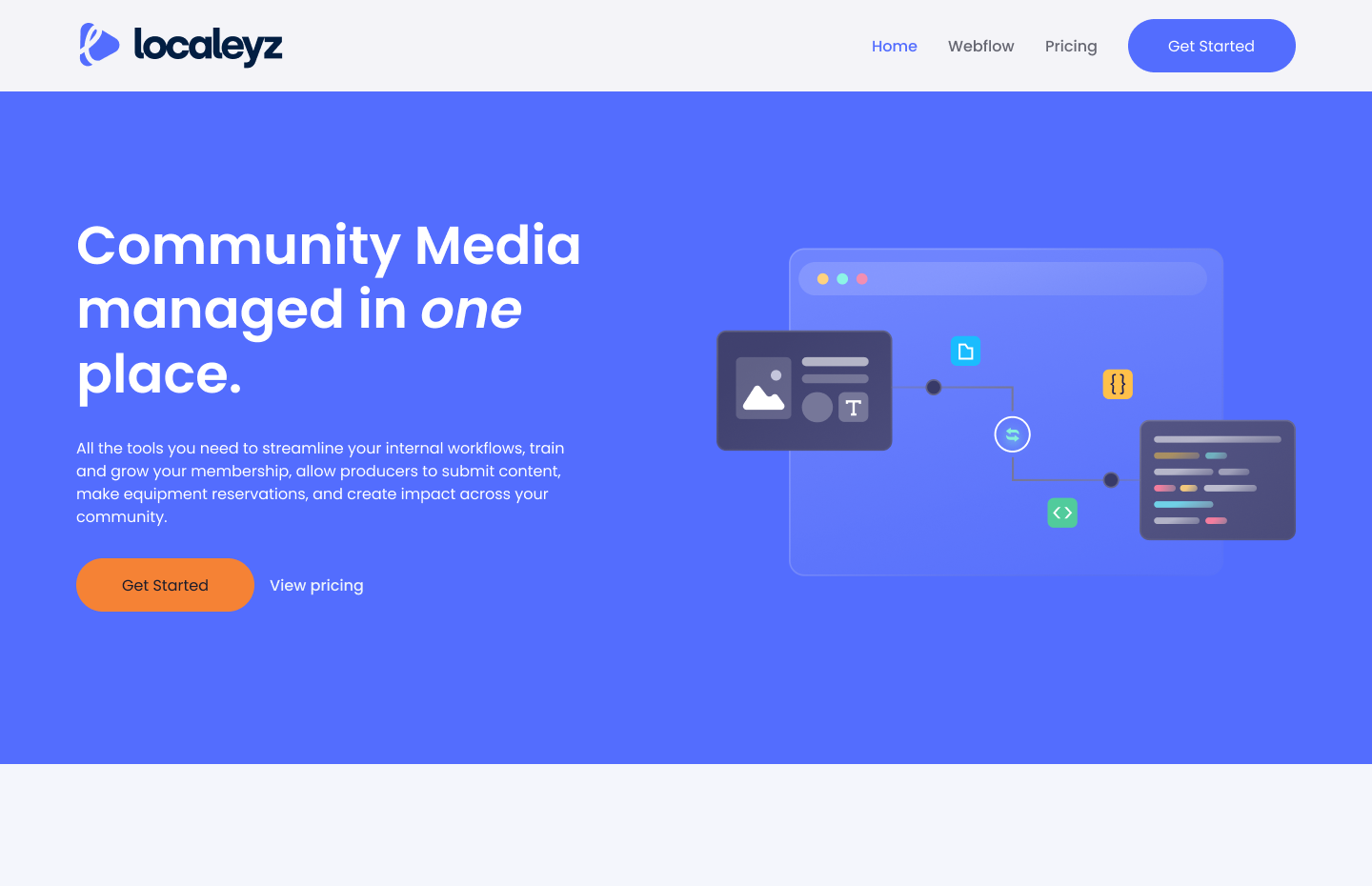
Centralizing Sales Communication with an AI-Powered CRM System
An AI-powered CRM that brings calls, WhatsApp, SMS, and email into one platform, automatically captures leads, triggers follow-ups, and gives sales managers complete visibility into pipeline performance and team activity.
View case study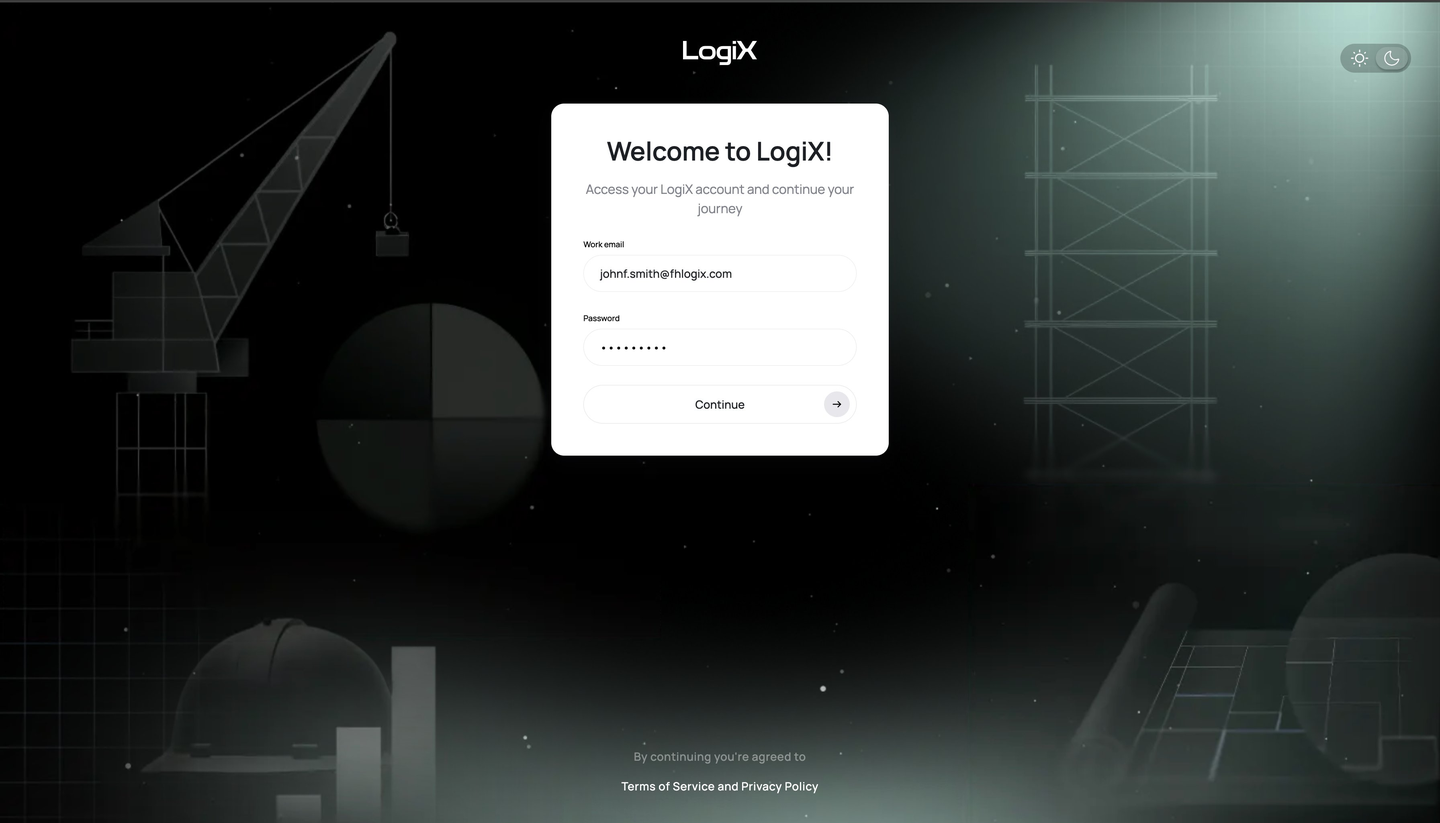
Contract Review Platform
A document management system provides a variety of add-on modules, such as a contract engine and payment engine that detect discrepancies, anomalies, and potential problems within the documents.
View case study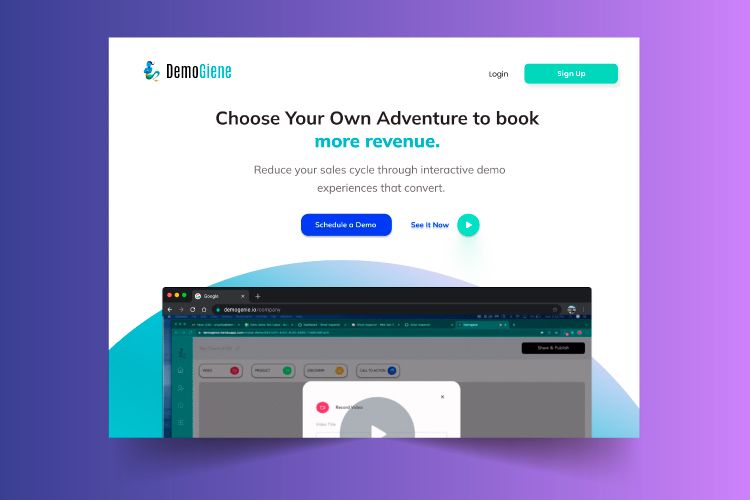
Customer Journey Platform
The platform enables teams to create interactive walkthroughs for product flows, and guided experiences while gaining valuable insights into user interactions, engagement, and behavior throughout every digital experience.
View case study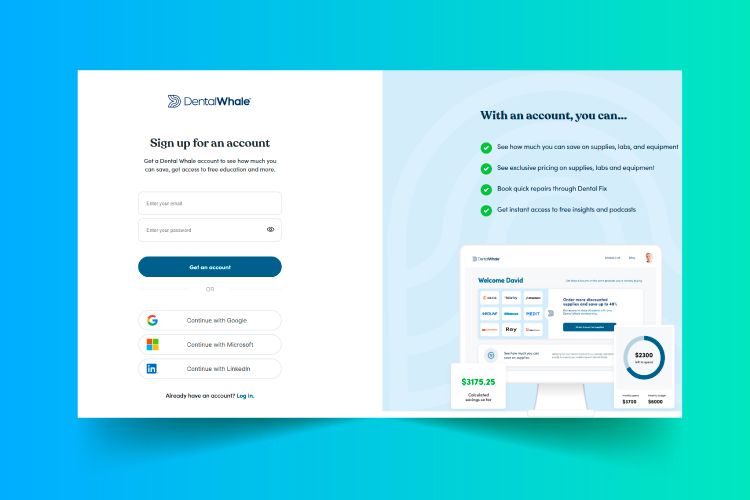
Dental Practice Management
A complete dental business management platform that enables practices to manage procurement, equipment services, laboratory workflows, training, business analytics, and practice operations efficiently from one centralized, integrated system.
View case study
Custom Blockchain Development questions, answered.
What is blockchain app development?
Building applications whose logic and data live on a blockchain: smart contracts, decentralized apps, and the interfaces that connect users to them. Custom blockchain development also covers the off-chain half of the system, including indexing, APIs, wallet flows, and admin tooling.
How much does custom blockchain development cost?
Smart contract builds typically run $15,000 to $50,000. Full dApps, DeFi platforms, and enterprise blockchain applications range from $60,000 to $250,000 or more depending on chain, integrations, and audit scope. We fix scope after discovery and token design, and anything added later is quoted and approved before it's built.
How long does it take to build a blockchain application?
A single audited smart contract usually takes 6 to 10 weeks including the external audit window, depending on contract complexity. A production dApp or enterprise blockchain platform is typically 4 to 7 months, with a usable testnet build in the first 8 to 12 weeks. Audit scheduling and mainnet deployment windows are what move dates most often.
How do you develop a blockchain app?
Discovery and token or data model design, contract architecture, build with heavy test coverage, independent audit, mainnet deployment, then support. The sequence is the same whether you hire us as a dApp development company for a consumer product or for custom blockchain app development inside an enterprise. Contracts ship with a test suite and a deployment runbook, and audit findings are treated as a release gate before mainnet.
Which blockchain platforms do you use?
Mainly Ethereum and EVM chains such as Polygon (most of our work is as an Ethereum blockchain development company), plus Solana for high throughput consumer apps and Hyperledger for permissioned enterprise chains. On Ethereum we default to Solidity with Hardhat or Foundry, because the audit and library ecosystem is deepest there. Chain choice follows your cost, speed, and compliance needs.
Should we use a public chain or a private blockchain?
Public chains fit when you need open liquidity, composability, or ownership that outside users can verify. A private or permissioned chain fits when every participant is known and the data cannot be public, which is the usual answer for supply chain, healthcare, and interbank workflows. Private blockchain development costs less per transaction to run, but you own the validator set and the governance, so plan for that operational load.
What is a smart-contract audit?
An independent security review of your contract code to catch vulnerabilities before deployment, since on-chain bugs cannot be patched away. Auditors read the code, run their own tests, and file findings by severity, which you fix and get re-reviewed. Budget 2 to 4 weeks and treat the report as a release gate, not a formality.
How do you keep smart contracts secure before mainnet?
Security-first architecture, deep unit and fork test coverage, static analysis, and an independent audit as the release gate before mainnet: the baseline any smart contract development company should meet, and the minimum we hold ourselves to. Upgrade paths, admin keys, and pause switches are designed up front rather than bolted on, and testnet deployments run against real integrations. Where the stakes justify it, a bug bounty window runs before the first large deposit.
What should I look for in a custom blockchain development company?
Ask for contract code you can read, audit reports from a named third party, and the mainnet addresses of what they shipped. Check that they own both halves of the stack, the contracts and the product around them, because most blockchain projects fail on the product side. A custom blockchain development company that cannot explain your gas, key management, and upgrade strategy in plain language is not ready to build it.
Do you build enterprise blockchain apps for regulated industries?
Yes. As an enterprise blockchain development company, we find enterprise blockchain app development usually means permissioned chains, role based access and identity, tamper evident audit trails, and integration with the ERP or core systems you already run. We bring your security and compliance reviewers in early so the architecture is designed for their sign off, and key custody and recovery are documented before launch.
Do you work with companies across the USA?
Yes. Coding Crafts is a US registered company, so when you compare any blockchain development company in the USA with an offshore shop, start there. We work with US clients across all four time zones, with daily overlap for standups, demos, and code review. The questions that matter when comparing vendors are audit history, who holds the keys, and who is on call after launch. Contracts, NDAs, and IP assignment are handled in the master agreement, and you keep the repositories and deployment accounts.
Which industries use blockchain?
DeFi, NFTs, fintech, gaming, supply chain, and fundraising are the most common, anywhere trust, transparency, or tokenized ownership adds value. Enterprise use skews toward provenance, settlement, and multi party record keeping, where reconciliation is the real cost.
Build your Blockchain Product with an experienced engineering team.
Use our no-obligation 40-hour trial to evaluate how we approach blockchain architecture, smart contracts, security, and product development before committing to a larger engagement. Continue if the work earns your confidence. If it does not, you owe nothing.
Latest Insights.
View all postsPractical guides from our engineers on blockchain development, smart contracts, software architecture, security, and shipping reliable digital products.