Application Management Services.
Keep your applications stable, secure, and performing at their best with ongoing monitoring, maintenance, support, and continuous improvement.
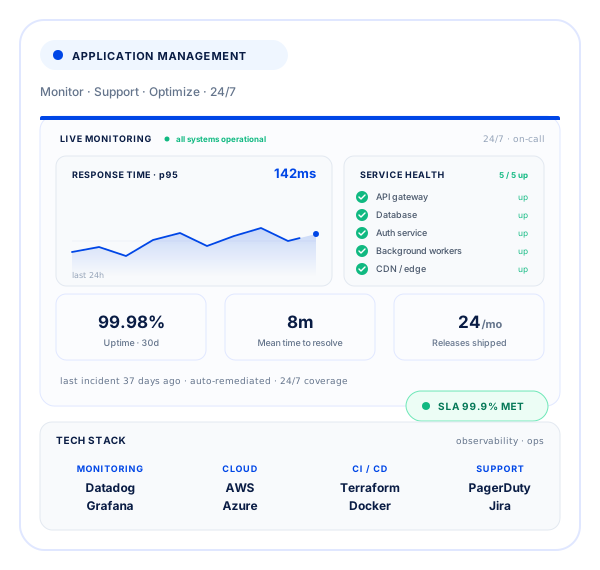
- 24/7
Monitoring
- 99%
Uptime
- 80%
Client retention
- 10+
Years experience
Application Support Services that keep production stable
Production applications need continuous attention after launch. Our application maintenance and support services cover monitoring, security, cloud operations, incident response, and ongoing improvements without the overhead of building a full in-house support team.
Reactive support
Your team finds outages through customer complaints instead of monitoring and alerts.
Stagnant applications
Applications stop improving when no one owns maintenance, performance, and ongoing updates.
High support overhead
Building an internal team for monitoring, maintenance, infrastructure, and support adds unnecessary overhead.
What our application Support Services Include
From monitoring and maintenance to security and performance, one engineering team handles the ongoing work required to keep your applications reliable.
Monitoring & support
24/7 monitoring, alerting, incident response, and SLA-backed application support.
Maintenance & updates
Scheduled patches, dependency upgrades, bug fixes, and routine maintenance that reduce technical risk.
Performance optimization
Performance monitoring and optimization that keep applications fast as traffic and usage grow.
Security & compliance
Security updates, audit logging, access controls, and processes aligned with your compliance requirements.
Cloud & infrastructure
Cloud monitoring, infrastructure management, scaling, and cost optimization.
Continuous improvement
Planned enhancements that keep your application aligned with changing business and user needs.
Our AMS process, from audit to ongoing support
A structured application management process for taking over, stabilizing, operating, and improving software already running in production.
- 01
Audit
We review your application, infrastructure, dependencies, support history, and risks that could affect reliability.
- 02
Onboard
We document the system and establish monitoring, alerting, access, escalation paths, and runbooks.
- 03
Stabilize
We resolve urgent issues, reduce technical risk, and address the problems affecting day-to-day operations.
- 04
Operate
We handle ongoing monitoring, application support, maintenance, patching, and incident response under agreed SLAs.
- 05
Optimize
We improve application performance, infrastructure costs, security, and operational reliability.
- 06
Improve
We plan and deliver ongoing improvements that keep the application aligned with your business needs.
Tools for reliable Application Support.
Monitoring, cloud, CI/CD, and support tools we use to operate, maintain, and improve production applications.
Application support backed by Engineering Ownership.
Work with senior engineers who take ownership of application reliability, maintenance, support, and continuous improvement.
Proactive support
We identify performance issues, operational bottlenecks, and security risks before they affect users.
Full support coverage
Get monitoring, maintenance, infrastructure, and engineering support without building a large internal operations team.
Transparent reporting
Clear reporting, visible priorities, and regular updates keep you informed about application health and ongoing work.
Engineering ownership
Senior engineers manage your application with the same care they bring to designing and building production software.
Industries we serve
Software challenges. Real solutions.
View all case studiesSee how we help clients solve complex software challenges, improve production systems, and deliver reliable digital products.
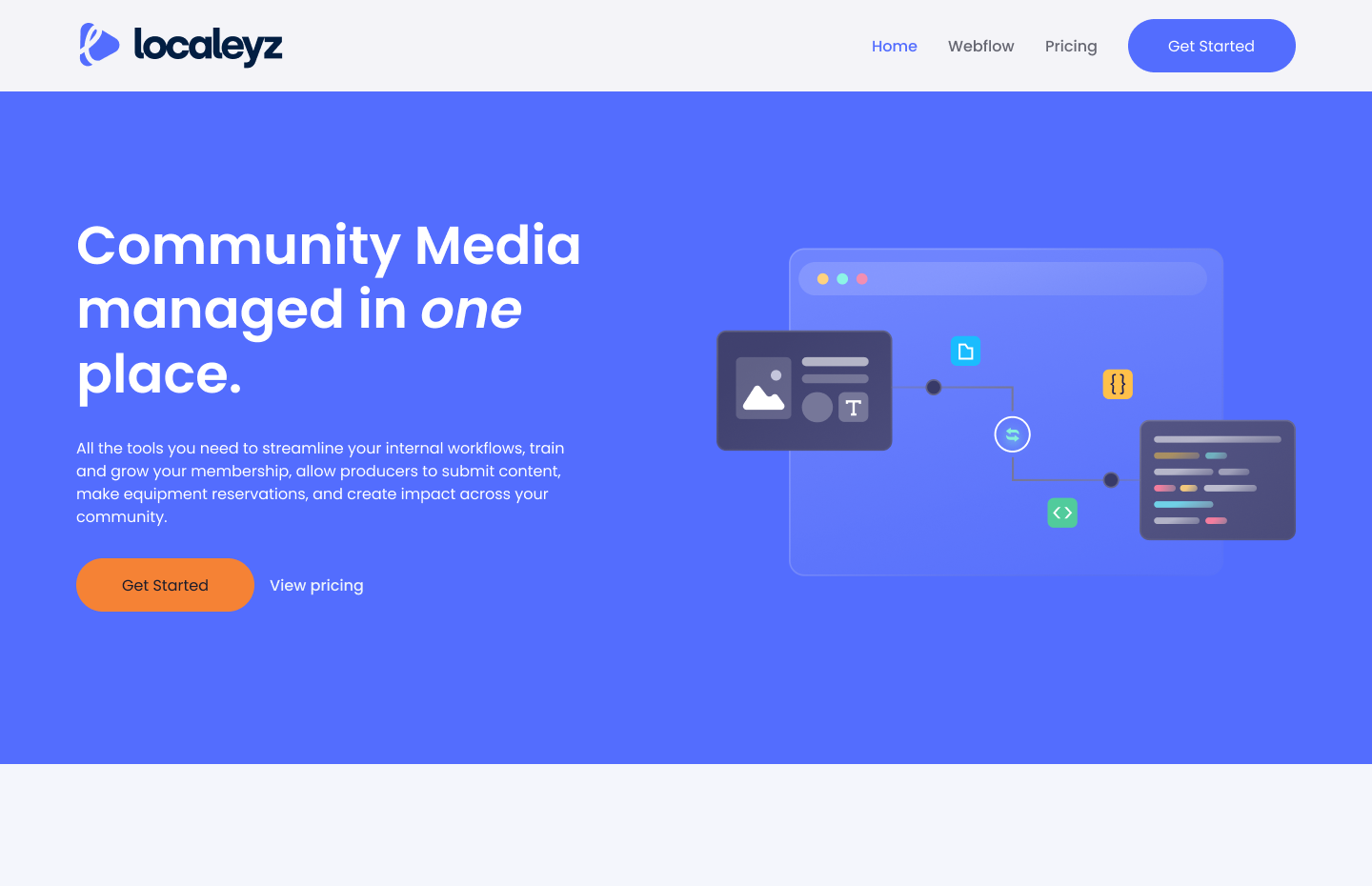
Centralizing Sales Communication with an AI-Powered CRM System
An AI-powered CRM that brings calls, WhatsApp, SMS, and email into one platform, automatically captures leads, triggers follow-ups, and gives sales managers complete visibility into pipeline performance and team activity.
View case study
Contract Review Platform
A document management system provides a variety of add-on modules, such as a contract engine and payment engine that detect discrepancies, anomalies, and potential problems within the documents.
View case study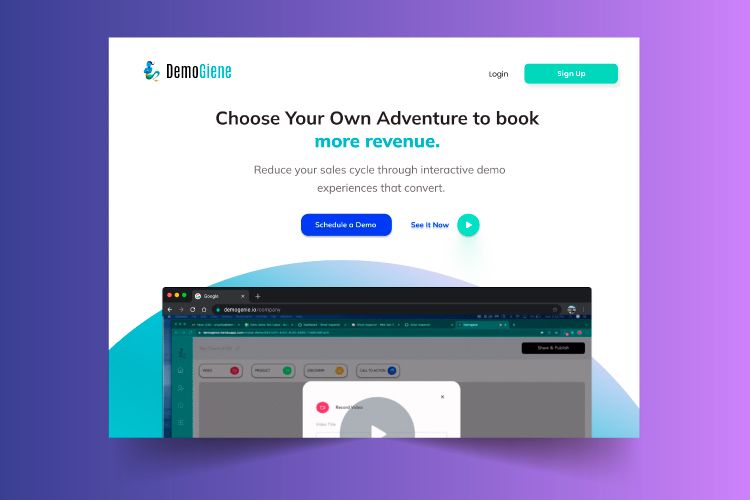
Customer Journey Platform
The platform enables teams to create interactive walkthroughs for product flows, and guided experiences while gaining valuable insights into user interactions, engagement, and behavior throughout every digital experience.
View case study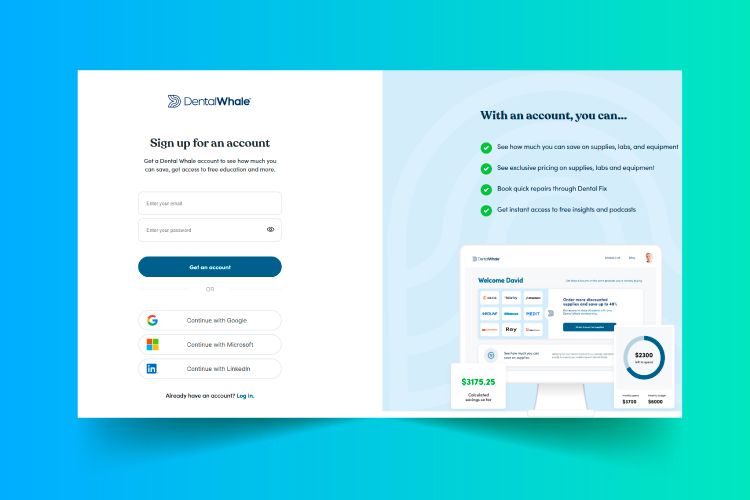
Dental Practice Management
A complete dental business management platform that enables practices to manage procurement, equipment services, laboratory workflows, training, business analytics, and practice operations efficiently from one centralized, integrated system.
View case study
Application Management Services questions, answered.
What are application management services (AMS)?
Application management services, often shortened to AMS application management services by vendors, cover the ongoing operation of software after launch: monitoring, incident response, patching, security updates, performance tuning, and a backlog of small improvements. The point is an application that stays stable and keeps evolving instead of quietly decaying.
What do application development and management services include?
Application development and management services combine building new functionality with running what already exists, under one team and one backlog. You get feature work, bug fixes, version upgrades, and round the clock monitoring from the same engineers, so nothing is thrown over a wall between build and run. Most engagements start with a stabilization phase, then split capacity between run work and new development; net-new feature work at scale is scoped through our application engineering practice.
What's the difference between application management and maintenance?
Maintenance keeps an application working: bug fixes, dependency updates, the occasional patch. Application maintenance and support services are the floor; application support services with monitoring and on-call sit above that, and full management adds ownership of cost and releases. Application management also owns monitoring, security, performance, cloud cost, the release process, and a roadmap of continuous improvement.
Do you manage apps you didn't build?
Yes. Taking over an application someone else built is a normal starting point for us. We start with an audit of the codebase, infrastructure, and deployment path, then onboard the system with monitoring, alerting, and runbooks before taking responsibility for it.
Can you take over application management from our current vendor?
Yes. Where a handover is possible we plan it with the outgoing team, document what was never documented, and rebuild access, monitoring, and runbooks inside your own cloud accounts. If the relationship has already ended, we work backwards from the code and infrastructure instead. Overlap with the outgoing vendor runs alongside onboarding rather than adding to it.
How much do application management services cost?
Managed application support typically starts around $3,000 to $6,000 per month, scaling with the number of applications, uptime requirements, and support hours. Coding Crafts scopes a predictable monthly engagement after the audit, so the number only moves when the scope does. Larger estates with strict SLAs and overnight coverage sit above that range.
How long does onboarding take before you take over support?
For a single application, two to four weeks: audit, monitoring and alerting, runbooks, access and secrets, and a prioritized fix list for the urgent issues. Multi-application estates run longer, because each application needs its own runbook and owner. We only accept the support SLA once that groundwork is done and the first round of urgent issues is cleared.
Do you offer 24/7 support?
Monitoring and alerting run around the clock, backed by SLA-defined incident response and on-call coverage matched to how critical each system is. Not every application justifies an overnight page, so severity levels, response times, and escalation paths are agreed with you up front.
How do you handle security and compliance?
We patch dependencies on a schedule rather than after an incident, keep audit logging and least privilege access in place, and route changes through review and automated tests before release. We can operate inside the controls your auditors expect, including evidence and change records, though certifying your program itself stays with you and your auditor.
Is it better to outsource application management or build an in-house team?
An in-house team makes sense when the application is core to your product and needs attention every day. Outsourcing usually wins below that threshold, because you buy a fraction of several specialists plus monitoring and an on-call rotation instead of hiring three or four people to cover it. A common split is in-house product engineers for the roadmap and an external team for run, support, and infrastructure.
How do you report on the work each month?
You get a monthly report covering uptime, incidents and their root causes, tickets closed, patch and dependency status, cloud spend, and what we recommend next. Dashboards and the ticket queue stay open to you in real time, so nothing waits on a report. A short review call with whoever owns the system on your side keeps priorities honest.
Keep your applications Reliable. Keep your team focused.
Use our no-obligation 40-hour trial to see how our team improves application reliability, performance, security, and support operations. Continue if the work earns your confidence. If it does not, you owe nothing.
Latest Insights.
View all postsPractical guides on software engineering, application support, maintenance, DevOps, and building reliable digital products.