Application Engineering Services.
We build and maintain enterprise-grade applications that drive business performance. Our engineers focus on software that's stable, scalable, and built to support how your business actually operates and grows.
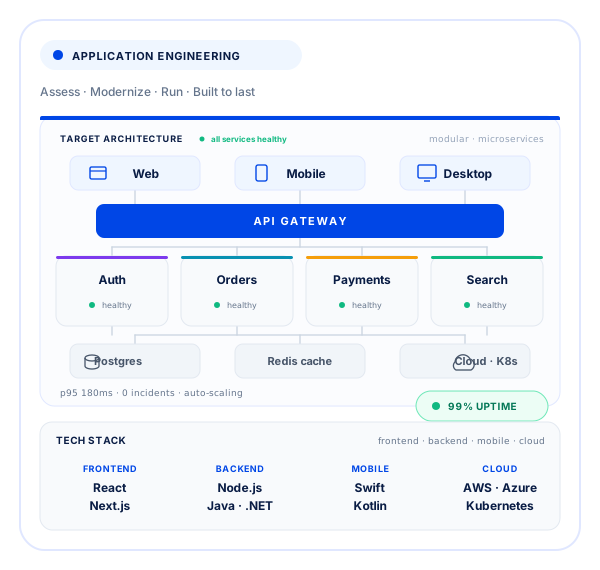
- 100+
Apps delivered
- 10+
Years experience
- 99%
Uptime
- 95%
Client retention
Application Engineering services that keep Software stable at scale
Most applications buckle under traffic, accumulate technical debt, or treat security as an afterthought. We architect for scale from day one, write code your next engineer can read, and bake in security and testing at every layer. The result is enterprise software that keeps delivering returns as you grow.
Crashes under load
Traffic spikes that should mean revenue instead take the whole application down.
Terrifying to change
Tangled code where every new feature risks breaking three others.
Security bolted on late
Authentication and encryption added after launch, when the gaps are already exposed.
Everything Application Engineering should Cover
One team across the full application lifecycle. Each capability below is part of how we deliver enterprise-grade software.
Application management
Keep apps healthy with monitoring, fixes, and feature work so they keep delivering value.
Application modernization
Migrate to the cloud and update old tech without disrupting the business that depends on it.
Enterprise transformation
Re-engineer enterprise systems into scalable platforms aligned to how teams actually work.
Custom application development
Web, mobile, SaaS, and internal tools built around your real workflows, not generic templates.
Scalable architecture
Modular and microservices designs that handle growth and prevent technical debt.
Quality & security
Testing across devices and loads, plus encryption, OAuth, and audits before deployment.
Our Process for Application Engineering and re-Engineering
A structured yet flexible process that turns unclear ideas into working software, with transparent collaboration and your sign-off at every stage.
- 01
Estate assessment
We audit your existing applications, dependencies, and the gaps holding the business back before we touch anything.
- 02
Target architecture
We design a scalable, modular target state and a roadmap to reach it without a risky big-bang rewrite.
- 03
Build & modernize
We develop new applications and modernize existing ones in iterations you can see and steer.
- 04
Integration
We connect apps to your enterprise systems, data, and APIs with contracts and tests around every seam.
- 05
Hardening
Security, performance, and quality engineering across devices and loads before anything reaches production.
- 06
Run & evolve
After launch we monitor, support, and keep improving the estate as your business grows.
The Technologies behind your build.
A proven, modern stack chosen for maintainability and scale, and what we reach for most often on application engineering engagements.
Built by people who take pride in the Craft.
Bolting features and security onto fragile software never works. Here's how we engineer applications that hold up.
Cross-platform expertise
Applications that work seamlessly across web, mobile (iOS and Android), and desktop.
Performance under load
Horizontal scaling, caching, and efficient queries that hold sub-second response times when users surge.
Clean code standards
Maintainable, documented, modular code that makes adding features straightforward, not terrifying.
Security by design
Authentication, authorization, encryption, and input validation built in from day one.
Industries we serve
Roadblocks turned into real Solutions.
View all case studiesA few products we've shipped for clients who couldn't settle for excuses. Every project came with its own challenges, and here's how we solved them.
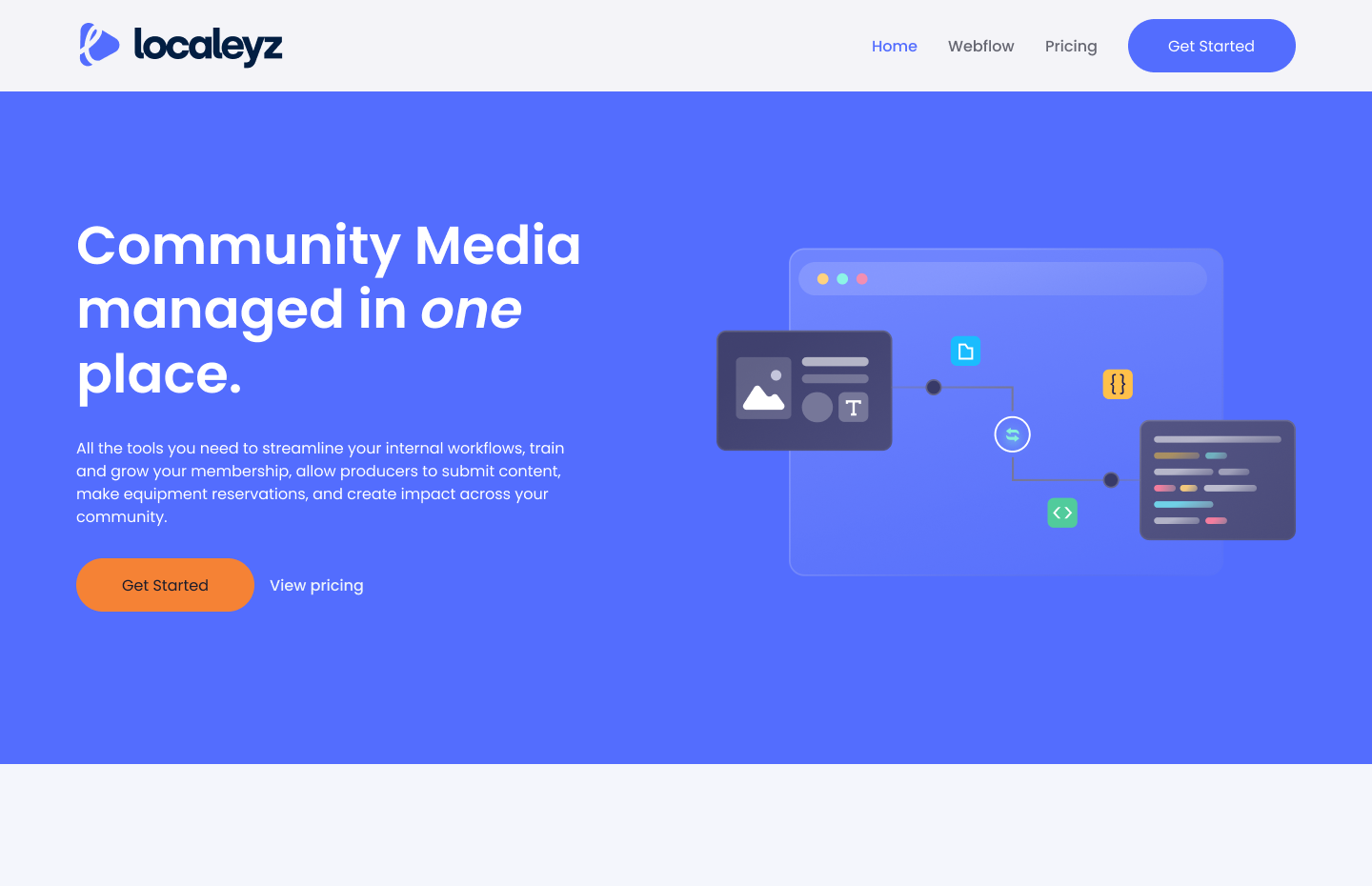
Centralizing Sales Communication with an AI-Powered CRM System
An AI-powered CRM that brings calls, WhatsApp, SMS, and email into one platform, automatically captures leads, triggers follow-ups, and gives sales managers complete visibility into pipeline performance and team activity.
View case study
Contract Review Platform
A document management system provides a variety of add-on modules, such as a contract engine and payment engine that detect discrepancies, anomalies, and potential problems within the documents.
View case study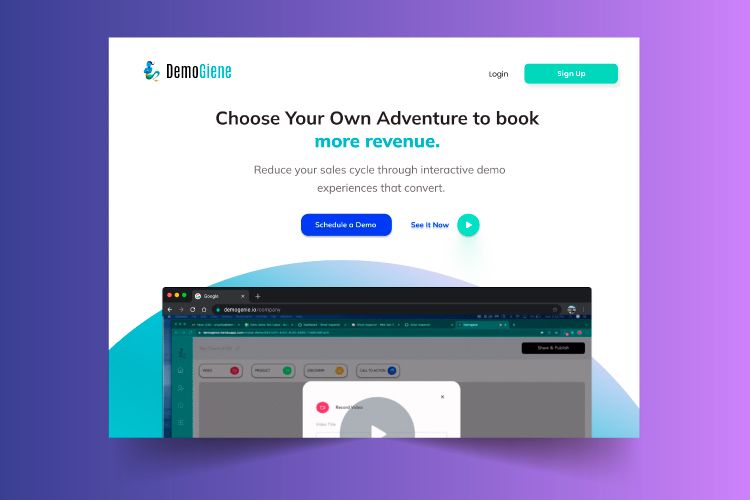
Customer Journey Platform
The platform enables teams to create interactive walkthroughs for product flows, and guided experiences while gaining valuable insights into user interactions, engagement, and behavior throughout every digital experience.
View case study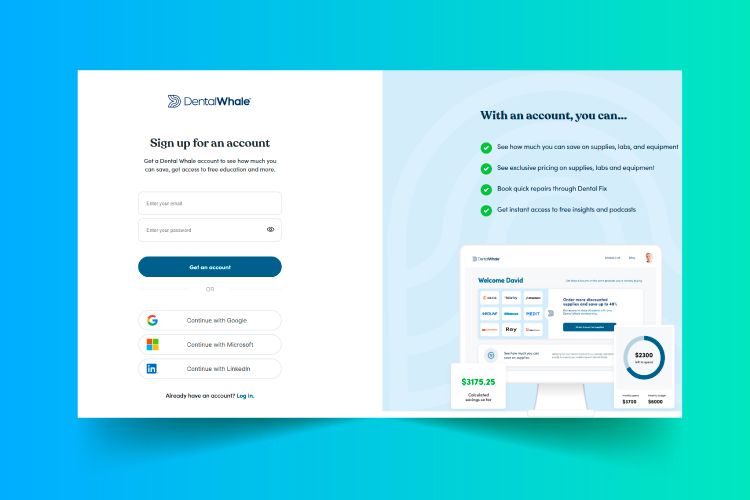
Dental Practice Management
A complete dental business management platform that enables practices to manage procurement, equipment services, laboratory workflows, training, business analytics, and practice operations efficiently from one centralized, integrated system.
View case study
Application Engineering questions, answered.
What types of applications do you engineer?
Web apps, mobile apps, SaaS platforms, internal tools, and the integration layers between systems you already run. Vendors often list this as application development services or custom application development services; we say application engineering because the work does not stop at the build. We work across finance, retail, healthcare, and logistics. If an application already exists, we extend and stabilize it instead of starting over.
Do you build applications from scratch or improve existing ones?
Both. Greenfield builds start with a scoped discovery phase; existing systems start with a code and infrastructure assessment. From there the work can mean new features, clearing a bug backlog, cloud migration, dependency upgrades, or re-engineering the parts that block releases.
What technologies do you use for application engineering?
Java, .NET, Python, Node.js, and TypeScript on the backend, React and Next.js on the web, Swift and Kotlin for native mobile. Infrastructure runs on AWS, Azure, or Google Cloud, whichever your team already supports. We do not push a stack you cannot hire for later.
How do you ensure scalability and performance?
Performance targets are set before the build, then designed for with modular or service based boundaries, caching, and asynchronous processing where it earns its keep. Load testing runs against realistic traffic patterns rather than synthetic best cases. Monitoring and alerting ship with the application so regressions surface before users report them.
How do you ensure application security?
Authentication and authorization are designed in, using OAuth 2.0 or OIDC with multi factor login where the risk warrants it. Data is encrypted in transit and at rest, secrets live in a managed vault, and dependencies are scanned on every build. We review the application against the OWASP Top 10 before release.
How do you handle testing and quality assurance?
Automated unit and integration tests run on every pull request, with end to end coverage on the flows that carry revenue. Manual review covers usability and real user journeys on the browsers and devices your users actually have. Changes ship through a passing pipeline with a reviewed change log.
How do you align application engineering with business goals?
Engagements start with the outcome you need, the users involved, and the constraints that cannot move. That holds whether a client frames the brief as digital and application engineering services or as a single product roadmap. That becomes a scoped roadmap where each release has a measurable result, such as a faster process, lower run cost, or fewer support tickets. Priorities are revisited at the end of every sprint, not once a quarter.
How much do application engineering services cost?
Ongoing application management starts around $5,000 per month. A custom application build typically runs $30,000 to $150,000 or more depending on integrations and compliance requirements, and modernization programs scale with the size of the estate. We quote after an assessment rather than from a rate card alone.
How long does an application engineering engagement take?
A single application build usually takes three to six months from discovery to production. Modernization and transformation work runs in phases, with the first shippable improvement inside a few weeks of the assessment. Ongoing management is a rolling monthly engagement you can resize.
What is the difference between application engineering and application modernization?
Application engineering is the wider discipline: designing, building, testing, running, and improving software across its whole life. Modernization is one workstream inside it, aimed at legacy systems that need refactoring, re-platforming, or a move to the cloud. If the problem is an aging estate rather than a new build, start with the application modernization track.
Should we rebuild the application or re-engineer the one we have?
Rebuild when the data model no longer matches the business, or when the stack cannot be secured or staffed. Re-engineering, sometimes sold as application re engineering services, keeps the domain logic and replaces what sits around it. Re-engineer when the domain logic is sound and the pain sits in performance, coupling, or the release pipeline. We answer this with an assessment of the code, the infrastructure bill, and the change failure rate, then price both paths so the comparison is real.
Who supports the application after launch?
The engineers who built it can stay on in a support rotation, or we hand over documentation, runbooks, and a warranty period to your in-house team. Ongoing application management covers monitoring, patching, incident response, and a steady stream of small improvements. Either way, the code and the cloud accounts stay yours.
Build Applications that drive Business Growth.
Start with a no-obligation 40-hour trial and see how we design, build, and optimize secure, scalable applications that support your business goals. If the work earns your confidence, pay for it and keep going. If it does not, you owe nothing.
Latest Insights.
View all postsPractical essays and guides from our team on building and shipping great software.