Enterprise Application Transformation Services.
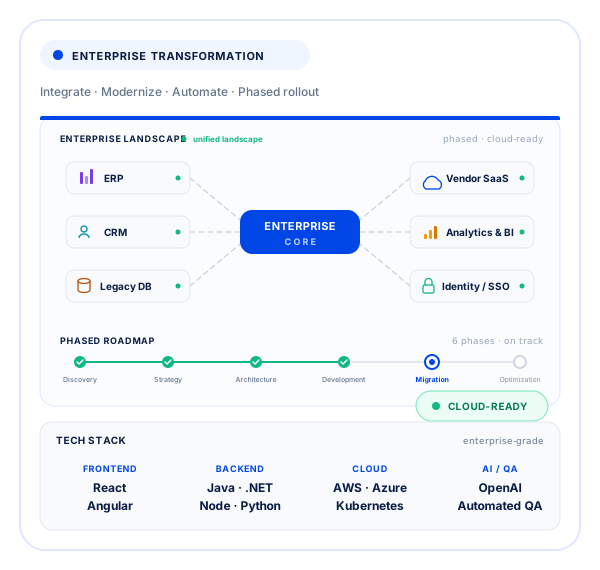
Transform outdated enterprise applications into secure, connected, cloud-ready systems through phased delivery that reduces risk and keeps critical operations running.
- 100+
Projects delivered
- 10+
Years experience
- 99%
Uptime
- 95%
Client retention
Enterprise Application Transformation that keeps operations running
Enterprise applications become harder to change when aging code, disconnected systems, and manual processes accumulate. We modernize the technology, integrations, and workflows in phases so your business can improve core systems without disrupting daily operations.
Legacy systems slow delivery
Aging applications make routine changes slower, riskier, and more expensive.
Disconnected systems
Custom applications, vendor platforms, and data sources operate in silos and create manual handoffs.
Limited scalability
Outdated architecture and infrastructure make it harder to add users, features, and new business requirements.
Enterprise Application Transformation services include
Our enterprise application transformation services bring legacy rework, cloud architecture, integration, development, and automation into one coordinated program.
Legacy code rework
Refactor or rebuild aging systems on modern, maintainable foundations without losing critical business logic.
Cloud-native rebuild
Re-architect applications for cloud environments that handle growth, resilience, and changing demand.
System integration
Integrate custom applications, vendor platforms, APIs, and data flows into a more connected enterprise environment.
Enterprise application development
Build new enterprise applications and features around the workflows your teams and customers depend on.
Process automation
Automate repetitive handoffs and manual processes that slow operations and increase error risk.
Digital engineering
Apply modern engineering practices to improve delivery, reliability, testing, and long-term maintainability.
Our Enterprise Application Transformation process, from assessment to production
A phased process that assesses your current application estate, prioritizes the highest-value changes, and moves each transformation into production with controlled risk.
- 01
Discovery
We review applications, integrations, data flows, infrastructure, and operational pain points to identify the highest-priority problems.
- 02
Strategy
We prioritize systems and choose the right transformation approach for each one according to business value, risk, and effort.
- 03
Architecture
We design the target architecture, integration model, migration sequence, and rollback plan before implementation.
- 04
Development
We refactor legacy code, build new functionality, automate workflows, and integrate systems in controlled phases.
- 05
Migration & testing
We migrate and validate workloads in stages, using testing and monitoring to protect business operations.
- 06
Optimization
We improve performance, infrastructure cost, security, and reliability after each transformed system reaches production.
The Technology Stack behind modern Enterprise Applications.
We use proven frontend, backend, cloud, DevOps, AI, and testing technologies according to the requirements of each enterprise environment.
Transformation with Engineering Ownership.
We combine senior engineering, phased delivery, and clear ownership to reduce the risk of transforming business-critical applications.
Low-risk migration
Parallel environments, staged cutovers, and rollback plans help keep critical operations available during migration.
Legacy-system expertise
We refactor aging code, document hidden business logic, and remove dependencies that make future changes harder.
Scalable architecture
We redesign applications and infrastructure to handle growth without repeated platform overhauls.
Security built in
We build encryption, access controls, audit logging, and secure delivery practices into the transformation process.
Industries we serve
Complex challenges. Practical solutions.
View all case studiesSee how we solve complex software problems, modernize critical systems, and deliver production-ready digital products.
Centralizing Sales Communication with an AI-Powered CRM System
An AI-powered CRM that brings calls, WhatsApp, SMS, and email into one platform, automatically captures leads, triggers follow-ups, and gives sales managers complete visibility into pipeline performance and team activity.
View case study
Contract Review Platform
A document management system provides a variety of add-on modules, such as a contract engine and payment engine that detect discrepancies, anomalies, and potential problems within the documents.
View case study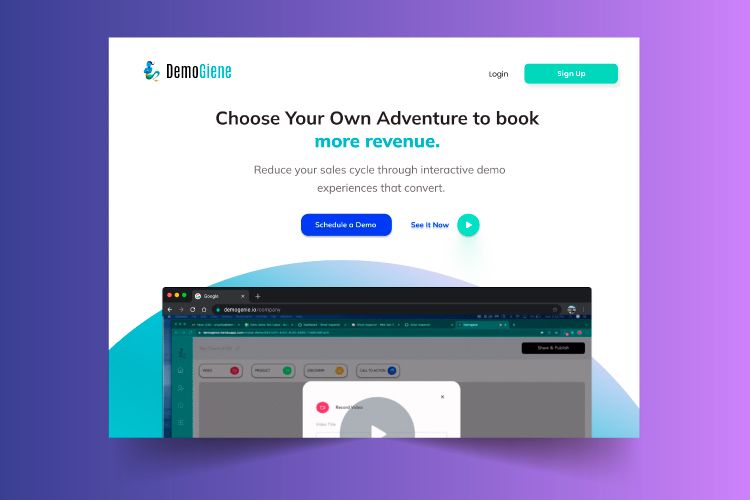
Customer Journey Platform
The platform enables teams to create interactive walkthroughs for product flows, and guided experiences while gaining valuable insights into user interactions, engagement, and behavior throughout every digital experience.
View case study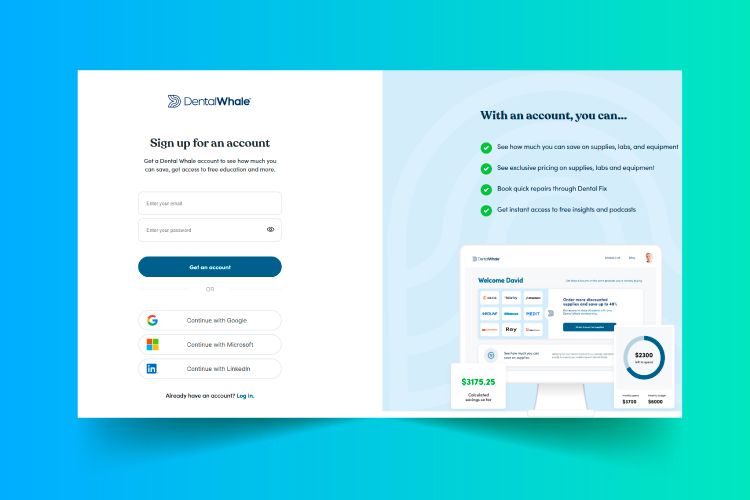
Dental Practice Management
A complete dental business management platform that enables practices to manage procurement, equipment services, laboratory workflows, training, business analytics, and practice operations efficiently from one centralized, integrated system.
View case study
Enterprise Application Transformation questions, answered.
What is enterprise application transformation?
Enterprise application transformation is the work of reshaping the core applications a business runs on so they match current technology and current workflows. In practice it combines legacy code rework, platform moves, integration between systems, and automation of manual steps. It is broader than a single rewrite because the process and the data around the application change too.
Do you support both custom and commercial enterprise applications?
Yes. For in-house systems we review the code, data model, and architecture before proposing any change. For vendor platforms we work at the edges: configuration, extensions, APIs, and the integrations that connect them to the rest of your estate.
What do your enterprise application transformation services include?
Assessment of the current estate, a phased plan with a business case per phase, legacy code rework, new feature build, system and data integration, and automation of manual handoffs. Each phase ships to production before the next one starts. We staff the program with engineers who stay on it end to end.
Why should we transform our enterprise applications?
Aging applications slow delivery: small changes need specialist knowledge, releases carry risk, and teams route around the system with spreadsheets and manual fixes. Transformation removes those constraints so new work becomes routine instead of an exception. It also cuts the operational risk of unsupported runtimes and dependencies.
How long does an enterprise application transformation take?
It is phased rather than one long project. A first phase covering assessment plus one meaningful slice of production change usually lands in 6 to 12 weeks, while an estate wide program runs across several quarters. You get working software from the first phase, not at the end.
How do you avoid disrupting operations?
We run old and new paths in parallel, migrate in waves, and keep a rollback route for every cutover. Feature flags and automated checks let us move a subset of users first, then expand once the numbers hold. Production monitoring is built into each phase rather than added at the end.
How do we get started?
Start with a discovery call. We map your existing systems and gaps, then outline phases and expected effort so you can decide what to build first.
How much does enterprise application transformation cost?
Programs are phased, so cost tracks scope: a single-system transformation typically starts around $75,000, while estate-wide programs run $200,000+ across phases, each with its own business case. Discovery gives you the breakdown before any build starts.
How is enterprise application transformation different from application modernization?
Modernization is usually scoped to the technology: newer runtimes, cloud-native architecture, cleaner code. Transformation includes that work but also changes how the application is used, how it integrates, and how data moves through it. If your goal is purely platform upgrade and technical debt, the application modernization page is the closer fit.
Should we rebuild an application, replatform it, or replace it with a commercial product?
It depends on how much of the application is a genuine differentiator. Commodity functions such as payroll or ticketing are usually cheaper to buy and integrate, while the workflows your customers or margins depend on are worth rebuilding. We score each application on business value, change frequency, and cost to run, then recommend rebuild, replatform, or retire per system.
How do you handle data migration and integrations during transformation?
Data is treated as its own workstream: profiling, mapping, cleanup rules, then repeatable migration scripts that run several times before cutover. Integrations move to documented APIs or events so later changes do not need point to point rework. Reconciliation reports compare old and new records after every wave.
Who owns the code and documentation after the transformation?
You do. Code sits in your repositories, infrastructure is defined in version-controlled configuration, and architecture decisions, runbooks, and handover notes ship with each phase. Your internal team, or another vendor, can pick the work up without us.
Plan your Enterprise Application Transformation with our engineering team.
Use our no-obligation 40-hour trial to evaluate how our engineers approach application transformation, integration, and modernization before committing to a longer engagement.
Latest Insights.
View all postsPractical guides on application engineering, modernization, integration, and building reliable enterprise software.