Application Modernization Services.
Modernize legacy applications without disrupting the business. We refactor, replatform, re-architect, and migrate systems to improve performance, security, scalability, and maintainability.
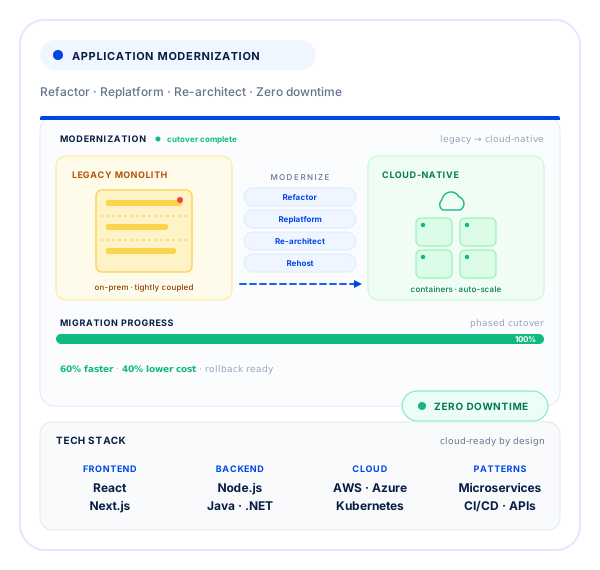
- Zero
Downtime
- Cloud
native rebuild
- 10+
Years modernizing
- 95%
Client retention
Modernize Legacy Applications without rebuilding everything
Legacy software becomes harder and more expensive to change as technical debt grows. Our application modernization services update aging code, architecture, infrastructure, and integrations in planned phases while critical business operations keep running.
Growing technical debt
Years of patches and workarounds make even small changes slow, risky, and expensive.
Limited scalability
Outdated architecture limits performance, user growth, integrations, and expansion into new markets.
Security & compliance gaps
Unsupported frameworks, dependencies, and access controls create security and compliance risks.
Choose the right Modernization Approach
Our application modernization services cover the full path from code and architecture improvements to platform upgrades and cloud migration.
Refactor
Restructure legacy code to improve maintainability, testability, and deployment without changing core functionality.
Replatform
Move applications from aging infrastructure to modern platforms with limited changes to the existing codebase.
Re-architect
Reshape monolithic systems into modular architectures that improve scalability, resilience, and release speed.
Rehost
Move workloads to modern cloud infrastructure when a faster migration provides the right first step.
Re-engineer
Rebuild outdated components with modern frameworks while preserving proven business logic and workflows.
Cloud migration
Move applications, databases, and supporting services to the cloud through planned and tested migration stages.
Our Application Modernization Process, from assessment to cutover
A phased modernization process that reduces migration risk, protects business continuity, and provides a clear path from assessment to production.
- 01
Assess
We review your applications, architecture, dependencies, infrastructure, and technical debt to identify modernization priorities.
- 02
Roadmap
We choose the right approach for each application and build a phased roadmap around business value, cost, and risk.
- 03
Architecture
We design the target architecture, migration sequence, integration plan, testing strategy, and rollback path.
- 04
Modernize
We refactor code, rebuild components, update integrations, and replace outdated dependencies in controlled increments.
- 05
Migrate & test
We move workloads in phases and validate performance, data, integrations, security, and rollback before each cutover.
- 06
Optimize
We improve performance, cloud cost, observability, security, and release processes after migration.
Technology for Modern Applications.
We use modern frameworks, cloud platforms, automation, and architecture patterns selected around your existing systems and modernization goals.
Modernization with Less Risk.
Our engineers balance business continuity, long-term maintainability, and measurable improvement throughout every modernization engagement.
Phased migration
We move systems in controlled stages with parallel environments, testing, and rollback plans to reduce disruption.
Reduce technical debt
We document critical business logic, remove outdated dependencies, and simplify the parts of the system that slow development.
Built for growth
We modernize architecture and infrastructure so applications can handle new users, features, integrations, and markets.
Security built in
We update vulnerable dependencies and add modern access controls, encryption, logging, and security checks throughout the migration.
Industries we serve
Complex software. Practical results.
View all case studiesExplore projects where our engineers solved complex software challenges and delivered reliable digital products for growing businesses.
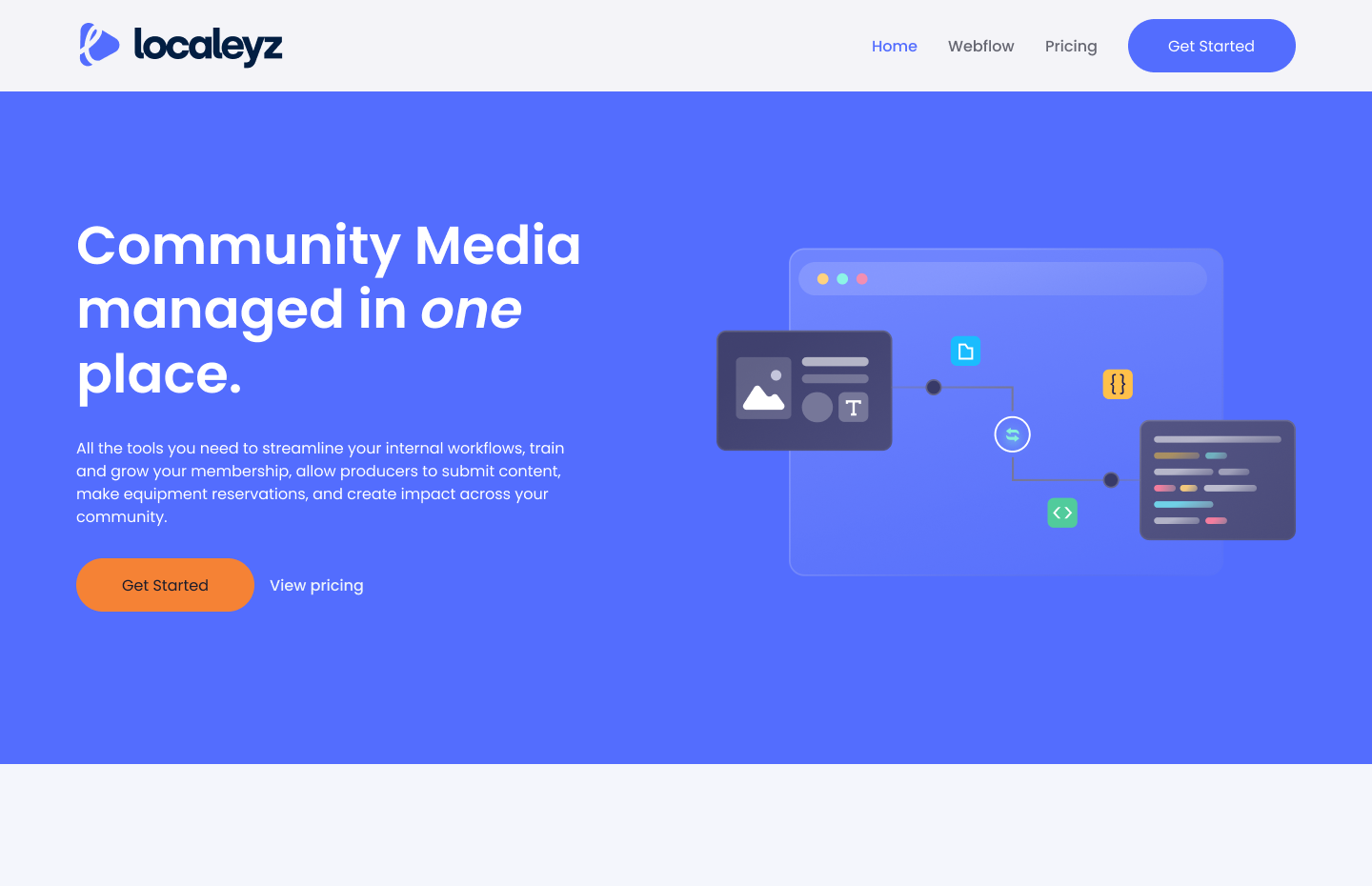
Centralizing Sales Communication with an AI-Powered CRM System
An AI-powered CRM that brings calls, WhatsApp, SMS, and email into one platform, automatically captures leads, triggers follow-ups, and gives sales managers complete visibility into pipeline performance and team activity.
View case study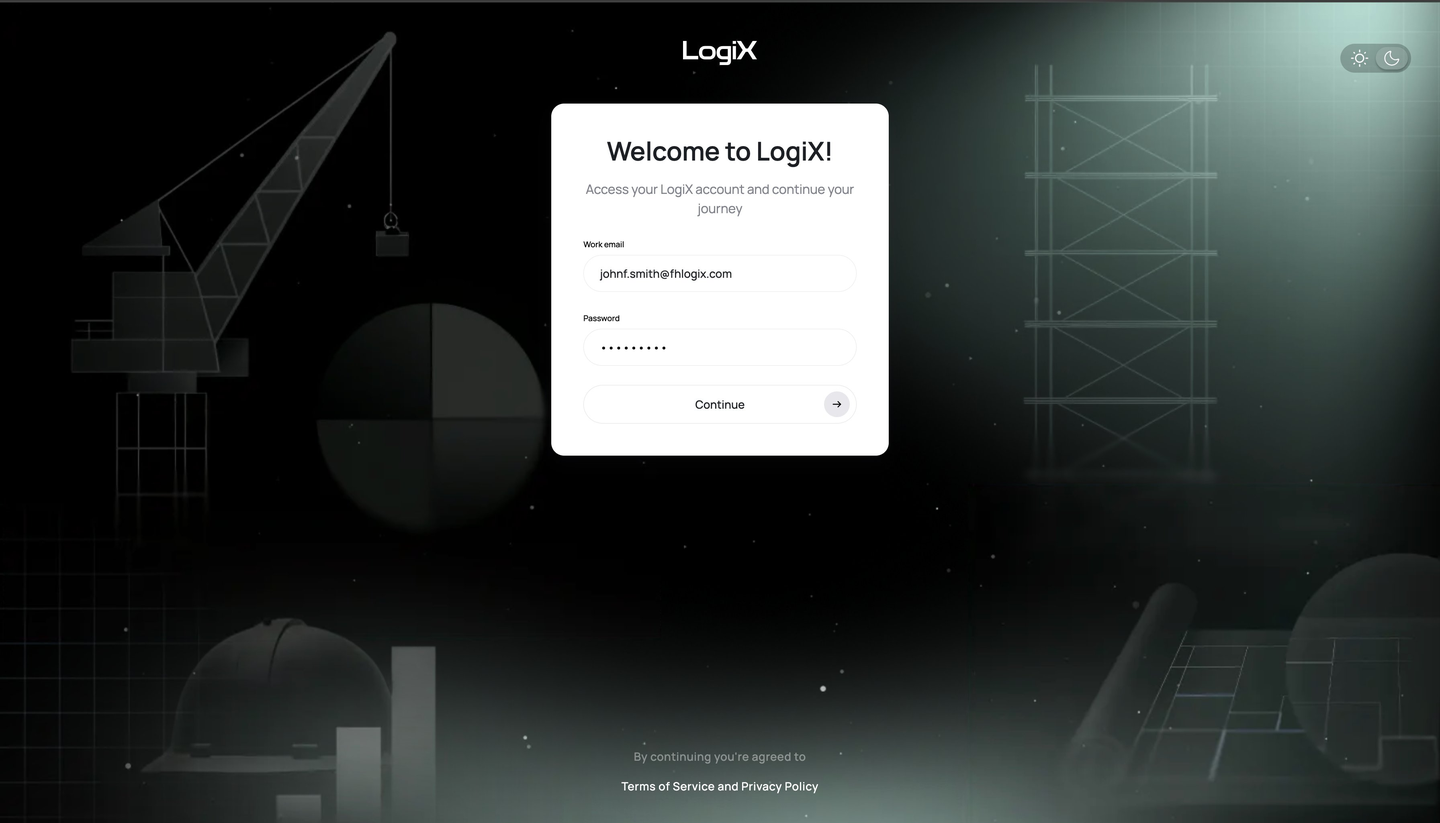
Contract Review Platform
A document management system provides a variety of add-on modules, such as a contract engine and payment engine that detect discrepancies, anomalies, and potential problems within the documents.
View case study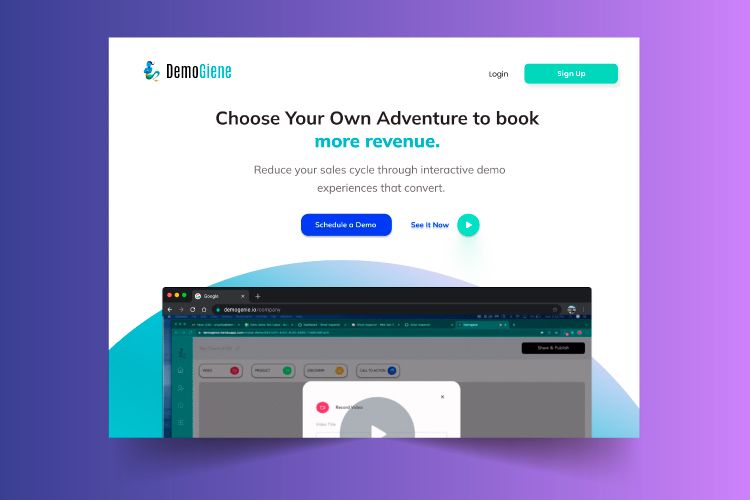
Customer Journey Platform
The platform enables teams to create interactive walkthroughs for product flows, and guided experiences while gaining valuable insights into user interactions, engagement, and behavior throughout every digital experience.
View case study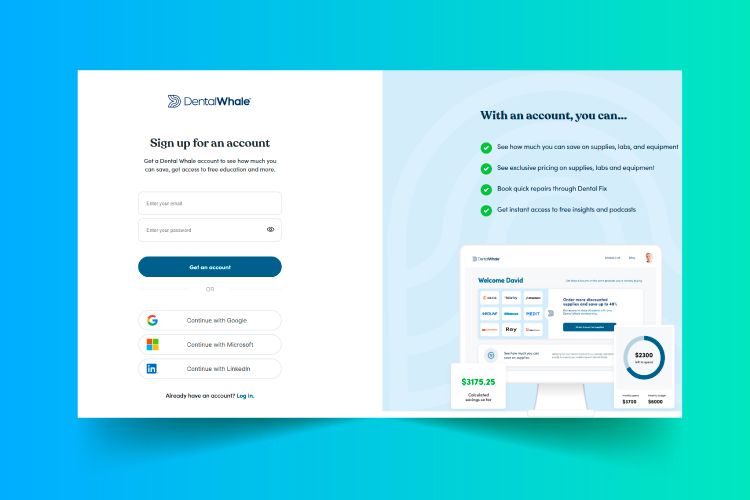
Dental Practice Management
A complete dental business management platform that enables practices to manage procurement, equipment services, laboratory workflows, training, business analytics, and practice operations efficiently from one centralized, integrated system.
View case study
Application Modernization questions, answered.
What is application modernization?
Application modernization is the work of updating an aging system's code, architecture, data, and hosting so it runs on current technology. Legacy application modernization usually keeps the business logic that still works and rebuilds only the parts that block performance, scale, or security. The result is the same product on a platform your team can change safely.
Why is application modernization important?
Legacy platforms get expensive in ways that never show up as one line item: slower releases, harder hiring, failed security reviews, and rising hosting bills. Legacy system modernization services exist to move that spend back into the roadmap. Modernization moves that spend from keeping the lights on to shipping features. It also retires unsupported runtimes and libraries that auditors now flag.
What are the approaches to application modernization?
The common options are rehost, replatform, refactor, re-architect, re-engineer, and replace. Rehosting is fastest and changes the least, while re-architecting costs more and pays back in scale and release speed.
What is cloud application modernization?
Cloud application modernization services take software built for fixed servers and make it fit cloud infrastructure: containers, managed databases, object storage, autoscaling, and infrastructure as code. Lifting an app onto a cloud VM by itself rarely lowers cost. The savings come from removing the parts that assume dedicated hardware. Where the move itself is the project, see our cloud migration services page.
Do I have to rewrite everything at once?
No. We modernize in phases and keep existing functionality running until each new piece is proven in production. Most programs start with one high-friction module, prove the pattern there, then repeat it across the rest of the system.
Should we modernize the application or replace it?
Modernize when the business logic is still correct and valuable but the platform holds it back. Replace when the workflow itself is wrong, the vendor is gone, or a commercial product now covers most of the need. An assessment answers this per application, and sometimes the honest answer is to buy rather than build.
How much does application modernization cost?
A single-application modernization typically runs $50,000 to $200,000 depending on the approach, with rehosting at the low end and re-architecting at the high end. Portfolio programs are phased so each wave carries its own business case. The assessment gives you a roadmap with costs before you commit to delivery.
How long does an application modernization project take?
An assessment and roadmap usually take two to four weeks, depending on estate size. A single application usually takes three to six months from first slice to full cutover, depending on test coverage and how many integrations it feeds. Portfolio work runs longer because it is sequenced in waves rather than released in one push.
How do you avoid downtime during migration?
We run the old and new paths in parallel, shift traffic in waves behind a proxy or feature flag, and keep a rehearsed rollback for each wave. Where the data model allows it we sync both ways until the cutover is confirmed; where it does not, we freeze writes for a short, scheduled window. Customers keep working while the migration happens behind them.
Will modernization improve security?
Usually yes, because most legacy risk comes from unsupported runtimes, unpatched dependencies, and missing access controls. Modernization is the natural point to add encryption in transit and at rest, single sign on with multi-factor authentication, and audit logging. Those are the controls security reviews and regulators ask about first.
Is enterprise application transformation the same as application modernization?
They overlap. Enterprise application modernization is technical work on specific systems, while enterprise application transformation covers the wider program: process change, integration between systems, and how teams operate after the move. Most transformation programs are a sequence of modernization projects with governance wrapped around them. If that is the shape of your program, start with our enterprise application transformation page.
How do we get started?
Start with a discovery call and a portfolio assessment that identifies which systems cost the most to keep running and which modernization approach returns the most value. That assessment is what application modernization consulting services should hand you before any vendor, including an application modernization company like ours, quotes the build. You get a prioritized roadmap with scope, sequence, and cost. Coding Crafts can deliver the first phase or hand the plan to your own team.
Modernize in Phases. Keep the business moving.
Use our no-obligation 40-hour trial to see how our engineers approach a defined modernization priority. If the work earns your confidence, pay for it and continue. If it does not, you owe nothing.
Latest Insights.
View all postsPractical guides on application modernization, software architecture, cloud engineering, and building maintainable digital products.