Skip to content

Business Process Automation Services.

We automate repetitive tasks using RPA, BPA, and data processing automation to help you save time, lower operational costs, and remove bottlenecks. Your team stays focused on growth instead of manual, grunt work.

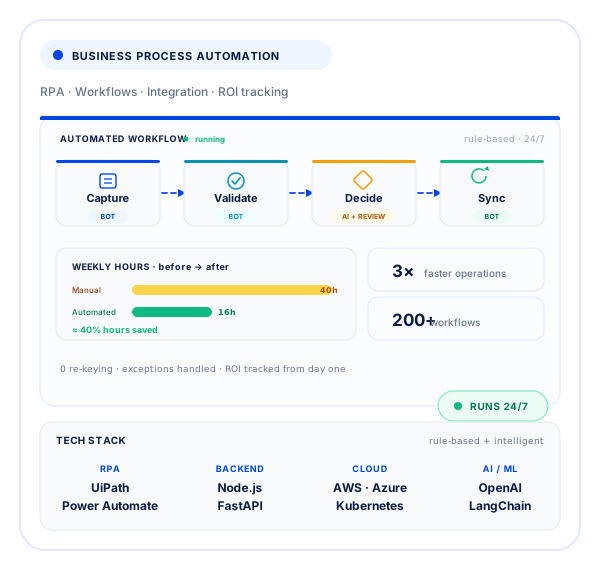
A rule-based workflow, capture, validate, decide, sync, run by bots with AI and human review for exceptions, cutting weekly manual hours from 40 to 16
  • 200+

    Workflows automated

  • 40%

    Hours saved

  • 3x

    Faster ops

  • 10+

    Years experience

Stop paying people to do what Automation should do.

Repetitive, rule-based work drains hours, invites errors, and buries your best people in busywork. We map your workflows, automate the bottlenecks, and wire the results into the systems you already run. The outcome is faster cycles, lower costs, and a team free to focus on work that actually moves the business.

  • Manual busywork

    Skilled staff spend hours on copy-paste tasks that software could finish in seconds.

  • Costly human error

    Manual data entry and approvals introduce mistakes that compound downstream.

  • Disconnected systems

    Data lives in silos, so every handoff means re-keying the same information.

What our Business Process Automation services cover

One team for the full scope. Each capability below is part of how we deliver business process automation services.

  • Robotic process automation

    Software bots that handle repetitive, rule-based tasks across your applications.

  • Workflow automation

    Approvals, routing, and rule-based workflows that run without manual intervention.

  • Data processing automation

    Automated extraction, validation, and transformation so data moves cleanly between systems.

  • System integration

    Connect automation to your CRM, ERP, and accounting tools through custom APIs and middleware.

  • Intelligent automation

    AI and ML layered onto workflows to handle decisions, not just rules.

  • Monitoring & support

    Ongoing performance tracking, maintenance, and updates as your processes evolve.

Automation for finance and back-office operations.

Finance is where business automation services pay back first: high volume, clear rules, and errors that cost real money. These are the workflows we automate most.

  • 01

    Invoice intake and AP

    Capture, match, and route invoices for approval, with exceptions flagged for a person instead of lost in email.

  • 02

    AR and reconciliation

    Payment matching and ledger reconciliation that run on schedule and surface only the mismatches.

  • 03

    Approvals and escalations

    Multi-step approvals with time-based escalation, so requests stop dying in someone's inbox.

  • 04

    Month-end reporting

    Reports assembled from your systems automatically, on the calendar, with a clear audit trail.

  • 05

    HR and onboarding workflows

    Accounts, access, and paperwork provisioned from one trigger when someone joins, changes role, or leaves.

  • 06

    Compliance evidence

    Every automated step logged, so controls come with the records auditors ask for.

Where no-code tools fit, and where custom code pays off

Both are ways of buying automation. The difference is who maintains the logic, what it costs at volume, and how far it can reach into your systems.

Where no-code fits. Zapier, Make, or Power Automate are the right answer while volumes are low, the flow is standard, and the tools on both ends have solid connectors. You get working automation in days, and the people who run the process can adjust it without a ticket.

Where custom code pays off. When a workflow crosses many systems, carries real volume, or encodes rules that make you money, per-task pricing and connector limits start to bite. Custom automation runs on your infrastructure, versioned and tested like any other software, and it does not break when a vendor changes a plan.

Most estates end up with both: no-code at the edges, custom code on the workflows that matter. If a platform-first build is what you need, see our low code and no code development services.
How a Business Process Automation project runs with us

A structured yet flexible process that turns unclear ideas into working software, with transparent collaboration and your sign-off at every stage.

  1. 01

    Discovery

    We study your workflows to find bottlenecks and the tasks that cost the most time.

  2. 02

    Strategy

    We design an automation roadmap and pick a stack that fits your infrastructure.

  3. 03

    Development

    We build automation with proven frameworks to handle repetitive, rule-based work at scale.

  4. 04

    Integration

    We connect automation to your enterprise systems and workflows without disruption.

  5. 05

    System checks

    We test workflows against real-world conditions so they handle complexity without errors.

  6. 06

    Support

    We monitor performance and provide ongoing maintenance and updates after launch.

The Technologies behind your build.

A proven, modern stack chosen for maintainability and scale, and what we reach for most often on business process automation engagements.

RPA & Automation
UiPathAutomation AnywherePower AutomateZapier
Backend
Node.jsDjangoFastAPISpring Boot
Cloud & DevOps
AWSMicrosoft AzureDockerKubernetes
AI & ML
TensorFlowPyTorchOpenAI GPTLangChain

Built by people who take pride in the Craft.

We don't bolt automation onto broken workflows. Here's what that means for your automation project.

01

Legacy system compatibility

Custom APIs and middleware bridge outdated systems and modern enterprise apps.

02

Transparent ROI tracking

Clear metrics from day one so you can justify investment with real data.

03

Exception handling built-in

Intelligent fallbacks and human oversight keep edge cases from halting operations.

04

Change management included

Training, docs, and gradual rollouts so your team adopts automation, not resists it.

Industries we serve

FinanceHealthcareLogisticsInsuranceRetailManufacturing

Roadblocks turned into real Solutions.

View all case studies

A few products we've shipped for clients who couldn't settle for excuses. Every project came with its own challenges, and here's how we solved them.

  • ai powered crm system

    Centralizing Sales Communication with an AI-Powered CRM System

    An AI-powered CRM that brings calls, WhatsApp, SMS, and email into one platform, automatically captures leads, triggers follow-ups, and gives sales managers complete visibility into pipeline performance and team activity.

    • NextJS
    • NodeJS
    • Twilio
    • MongoDB
    View case study
  • Document Analysis Platform

    Contract Review Platform

    A document management system provides a variety of add-on modules, such as a contract engine and payment engine that detect discrepancies, anomalies, and potential problems within the documents.

    • NextJS
    • Tailwind CSS
    • Bootstrap
    • Sass
    View case study
  • Product demo

    Customer Journey Platform

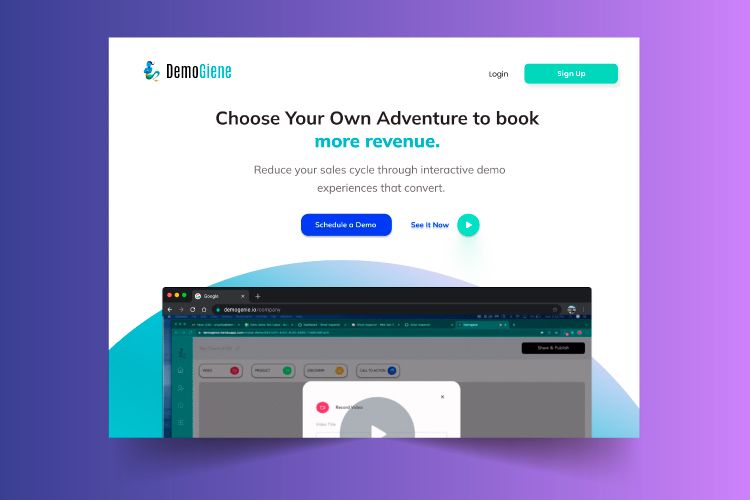
    The platform enables teams to create interactive walkthroughs for product flows, and guided experiences while gaining valuable insights into user interactions, engagement, and behavior throughout every digital experience.

    • ReactJS
    • Material UI
    • NodeJS
    • ExpressJS
    View case study
  • Business Management Platform

    Dental Practice Management

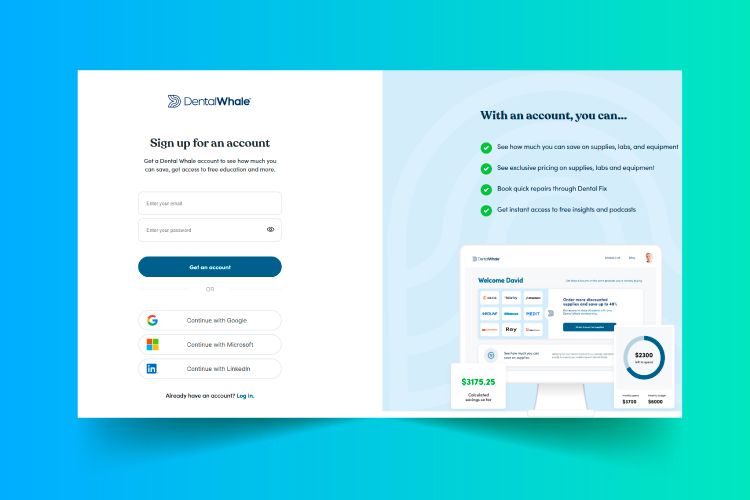
    A complete dental business management platform that enables practices to manage procurement, equipment services, laboratory workflows, training, business analytics, and practice operations efficiently from one centralized, integrated system.

    • ReactJS
    • Material UI
    • Laravel
    • PHP
    View case study

Business Process Automation questions, answered.

What is business process automation?

Business process automation is the use of software to run a repeatable process end to end, so people only step in for judgment calls. It usually combines workflow rules, system integrations, document handling, and, where the work is genuinely repetitive, robotic process automation. The point is fewer manual handoffs, fewer errors, and a process you can actually measure.

How can business process automation benefit my business?

The measurable wins are hours returned to your team, lower error rates, and faster cycle times on work like approvals, billing, and onboarding. Because every step is logged, you also get operational data you did not have before, which makes bottlenecks obvious. Most teams start with one high-volume process, prove the savings, then expand from there.

What types of processes can be automated?

The best candidates are high-volume, rule-based, and touch more than one system: invoicing and accounts payable, order and inventory updates, quote and approval routing, customer onboarding, employee onboarding, and recurring reporting. Anything that needs real judgment or open-ended negotiation stays with people. We map your processes first and rank them by build effort against annual hours saved.

How does business process automation work?

A process is documented as it actually runs, not as the handbook describes it, then broken into triggers, rules, integrations, and exceptions. Software watches for the trigger, moves data between systems through APIs, applies the rules, and routes anything unusual to a human queue. Dashboards then report volume, failures, and time saved, so the automation stays accountable instead of becoming a black box.

Should we buy automation software or build a custom solution?

Buy when an off-the-shelf tool already matches your process closely and that process is not a competitive advantage. Build when the workflow is unusual, spans several internal systems, or when per-seat licensing grows faster than the value it returns. In practice the answer is often a mix, and we will say so when a product you can subscribe to beats anything worth building.

What tools do you use for business process automation?

Depending on the process, we work with Zapier and Make for lightweight integrations, Power Automate and n8n for workflow orchestration, UiPath or Automation Anywhere for interface-level robotic process automation, and custom services in Node, Python, or .NET where the logic should be owned outright. Tool choice follows the process, your existing stack, and total cost over three years, not the other way around.

How long does a business process automation project take?

A single well-scoped workflow typically goes live in four to eight weeks, covering process mapping, build, and a supervised pilot run. Multi-process programs run in phases; we aim to have the first automation in production within the first quarter, with later phases stacked behind it. Legacy systems without usable APIs are the usual reason timelines stretch, so we check the integration surface before committing to dates.

How much does business process automation cost?

A focused automation covering one workflow typically runs $10,000 to $40,000. Broader programs across several departments range from $50,000 to $150,000 and up, depending on how many systems must be integrated and how clean the underlying data is. We scope after mapping the process.

Can you integrate automation with our existing CRM and ERP systems?

Yes. Most projects connect to what you already run, including Salesforce, HubSpot, NetSuite, Dynamics, QuickBooks, and internal databases. Where a system has no usable API, we work through supported exports, database-level integration, or robotic process automation at the interface as a deliberate fallback.

How do you keep automation secure and compliant?

Access is scoped per service, credentials live in a managed secret store, data is encrypted in transit and at rest, and every automated action is logged for audit. For regulated work such as financial services or healthcare, controls are designed to support requirements like SOC 2, GDPR, and HIPAA, and on regulated work we walk the design through your compliance team before launch. We will not route regulated data through a tool that cannot meet the controls you are held to.

What happens after the automation goes live?

You get monitoring on the automated paths, alerting when a run fails, and a support arrangement for changes as processes and upstream systems shift. Automations break when the software around them changes, so ongoing ownership matters more here than in a one-off build. We hand over documentation and can either maintain the automation or train your team to run it.

Get an Automation plan you can act on.

From workflow automation to system integrations, begin with a no-obligation 40-hour trial and continue only if you're confident in the results.

Response
Within 24 hours
First call
Free 30-min scope
Engagement
Fixed-scope or T&M
Handover
Code + docs, always