DevOps Consulting Services.
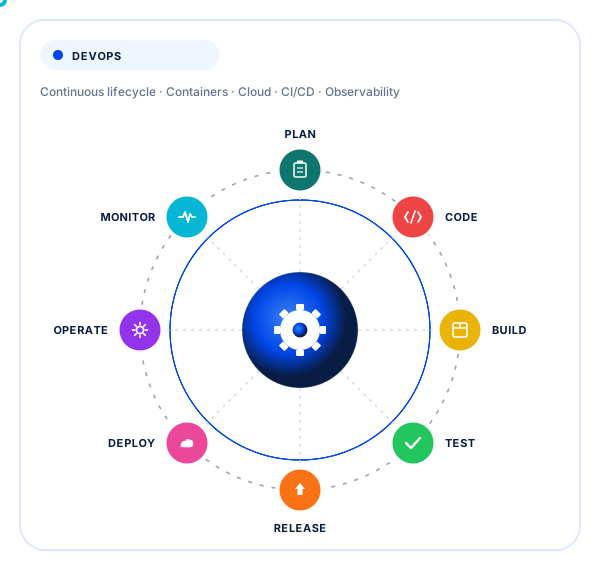
Improve software delivery with reliable CI/CD, infrastructure as code, container platforms, observability, and cloud automation built around the way your engineering team works.
- 5x
Faster deploys
- 99%
Uptime
- 40%
Less downtime
- 10+
Years experience
Build a delivery process your team can Trust.
Manual releases, inconsistent environments, and weak observability slow engineering teams down and make production changes harder to trust. We review the delivery path from commit to production, remove fragile manual steps, and build repeatable infrastructure your team can operate.
Manual release process
Manual deployment steps make releases slower, harder to repeat, and more dependent on individual team members.
Environment drift
Infrastructure configured by hand drifts between environments and becomes difficult to reproduce or review.
Limited observability
Weak logging and monitoring make teams discover production problems after users already feel the impact.
DevOps consulting from CI/CD to production operations.
Our DevOps consulting services cover CI/CD, infrastructure as code, containers, cloud automation, observability, and security controls throughout the delivery pipeline.
CI/CD pipelines
Automate build, test, approval, and deployment steps so teams release through a repeatable pipeline instead of a manual checklist.
Infrastructure as code
Define infrastructure in version-controlled code so environments are reproducible, reviewable, and easier to recover.
Kubernetes & Docker
Package and run workloads with Docker and Kubernetes where container orchestration fits the product and operating model.
Cloud automation
Automate provisioning, scaling, configuration, and routine cloud operations on AWS, Azure, or GCP.
Monitoring & observability
Add metrics, logs, traces, dashboards, and alerts that help engineers understand system behavior and respond faster.
DevSecOps
Integrate security scanning, secrets handling, access controls, and policy checks into the development and deployment workflow.
Our DevOps process, from audit to handover.
A practical DevOps process that audits the current delivery path, fixes the highest-impact bottlenecks first, automates infrastructure and releases, adds observability, and leaves your team with documented ownership.
- 01
Assess
We map how code moves from development to production and identify manual steps, failure points, and environment drift.
- 02
Quick wins
We fix one high-impact release or infrastructure problem first so the team sees a measurable improvement early.
- 03
Automate
Automated pipelines, infrastructure as code, and repeatable environments.
- 04
Containerize
We containerize workloads where it improves consistency, deployment, scaling, or operational control.
- 05
Observe
We add monitoring, logging, tracing, dashboards, and alerts around the systems your team operates.
- 06
Optimize
We review reliability, delivery metrics, cloud cost, and pipeline performance and improve the platform as requirements change.
Technology for reliable DevOps delivery and operations.
We use established CI/CD, infrastructure, container, cloud, and observability tools selected around your current stack and operating requirements.
DevOps engineering built with Ownership.
We improve delivery without creating a platform your team depends on us to operate. Infrastructure, pipelines, documentation, and ownership stay visible throughout the engagement.
High-impact work first
We start with a real bottleneck and use the result to guide the next phase instead of replacing everything at once.
Measured delivery
We baseline deployment frequency, lead time, failure rate, recovery time, and manual release effort so improvements are measurable.
Tool choices with a reason
We work with the tools your team can maintain and introduce new ones only when they solve a clear operational problem.
Clear handover
Pipelines, infrastructure, runbooks, and documentation are handed over so your engineers can operate the platform independently.
Industries we serve
Delivery problems turned into Reliable Systems.
View all case studiesExplore software projects where our engineers solved delivery, infrastructure, reliability, and scalability challenges for clients.
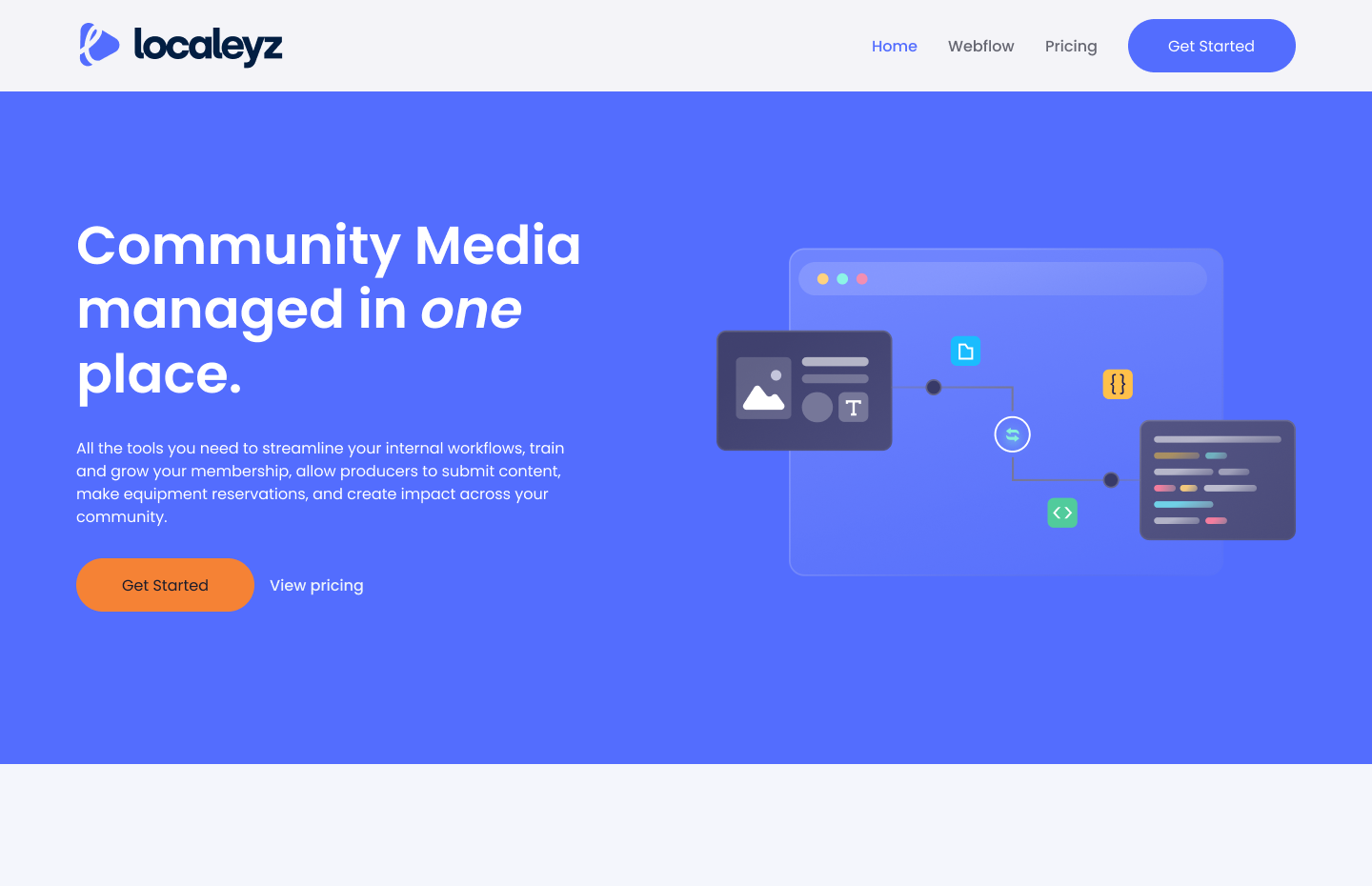
Centralizing Sales Communication with an AI-Powered CRM System
An AI-powered CRM that brings calls, WhatsApp, SMS, and email into one platform, automatically captures leads, triggers follow-ups, and gives sales managers complete visibility into pipeline performance and team activity.
View case study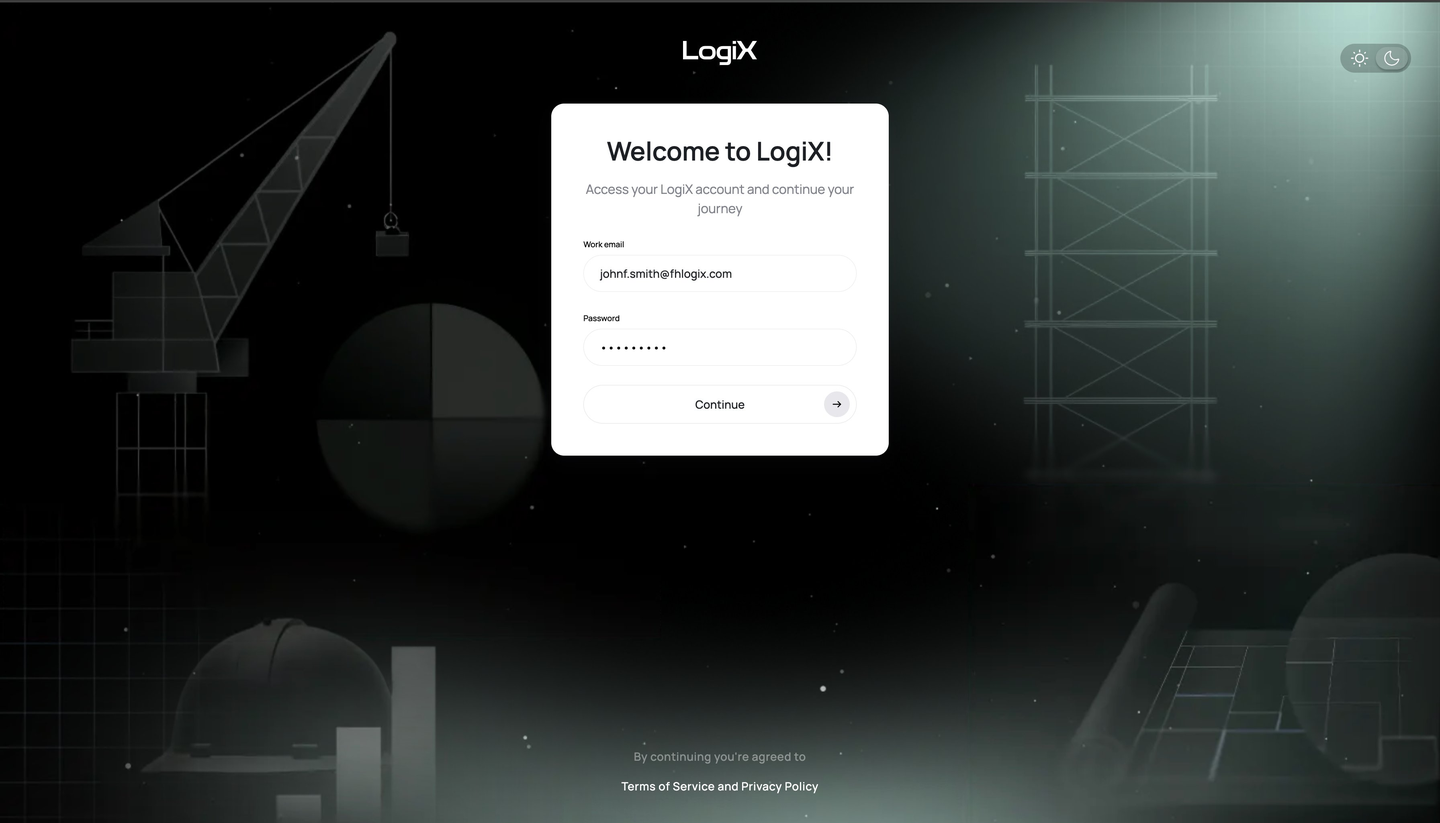
Contract Review Platform
A document management system provides a variety of add-on modules, such as a contract engine and payment engine that detect discrepancies, anomalies, and potential problems within the documents.
View case study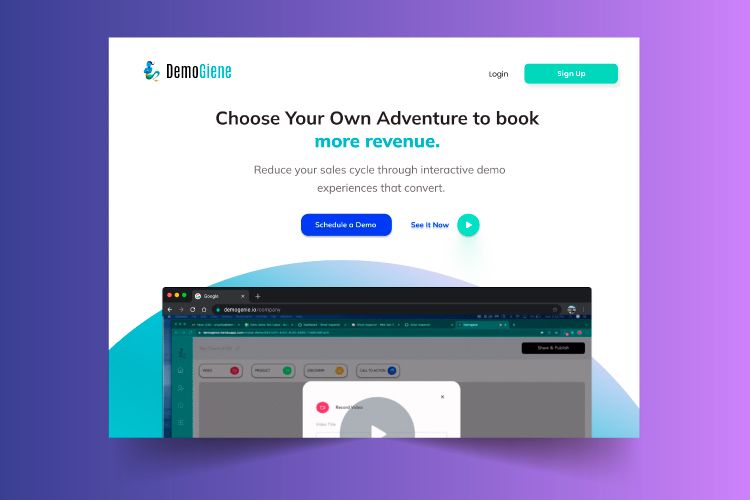
Customer Journey Platform
The platform enables teams to create interactive walkthroughs for product flows, and guided experiences while gaining valuable insights into user interactions, engagement, and behavior throughout every digital experience.
View case study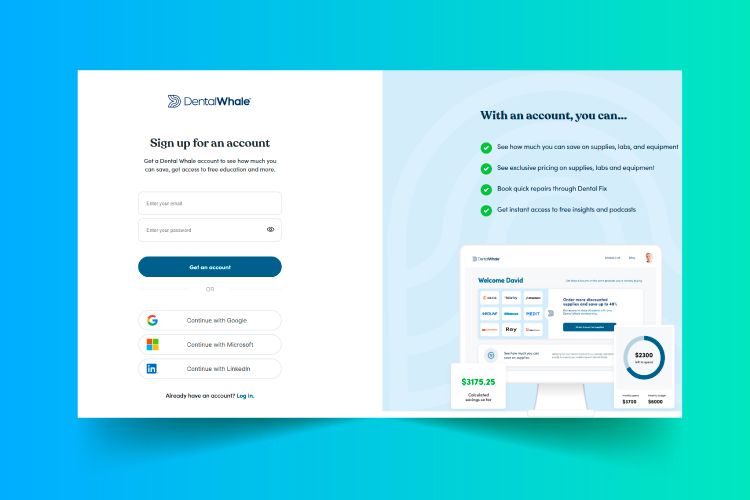
Dental Practice Management
A complete dental business management platform that enables practices to manage procurement, equipment services, laboratory workflows, training, business analytics, and practice operations efficiently from one centralized, integrated system.
View case study
DevOps consulting questions, answered.
What do DevOps consulting services include?
Most engagements cover CI/CD pipelines, infrastructure as code, container orchestration, monitoring and logging, secrets handling, and security checks inside the pipeline. The mix depends on where your delivery actually breaks, so the work starts with an audit of one real pipeline, usually inside a 40 hour paid trial, and then a sequenced plan. Some teams need one pipeline rebuilt, others need a full platform baseline.
What does a DevOps consultant do?
A DevOps consultant maps how your code gets from a laptop to production, then removes the manual steps, hidden approvals, and undocumented servers along the way. In practice that means building pipelines, codifying infrastructure, adding observability, and coaching the team that inherits it. The goal is a delivery process your own engineers can run without the consultant.
How do we choose a DevOps consulting partner?
Ask for before-and-after numbers from their last two engagements, not a tool list. Whether a vendor is a DevOps consulting company or a broader DevOps services company, the same test applies. Confirm who actually does the work, and whether you get documented, version-controlled infrastructure at the end rather than access to a black box. We start with a 40 hour paid trial on one real pipeline, which tells you more than any pitch deck.
How much does it cost to hire a DevOps engineer?
US market rates run roughly $50 to $200 an hour, or about $90,000 to $180,000 a year for a full time hire, depending on seniority and location. Consulting is often the cheaper start because you pay for a defined scope instead of a permanent salary. Ask for the work to be quoted as fixed deliverables so you can compare it directly against a hire.
How is DevOps consulting different from DevOps managed services?
Consulting is time boxed: assess the current state, build the pipelines and infrastructure, hand it over with documentation and a runbook. Some vendors sell the ongoing part as DevOps as a service; the substance is the same. DevOps managed services are ongoing and cover on call rotation, patching, cost tuning, and pipeline maintenance after the build. Teams without a platform engineer often start with consulting, then decide whether to retain support or hire. Coverage hours and response expectations get written into the retainer explicitly, rather than assumed.
How long does a DevOps implementation take?
Moving a single service onto a proper CI/CD pipeline with infrastructure as code typically takes two to four weeks. That is the core of DevOps implementation services; the DevOps engineering services that follow are about keeping the pipeline fast as the codebase grows. A multi service platform with Kubernetes, environment parity, and full observability is more often two to four months. Each phase is sequenced to ship something usable instead of waiting for one large cutover. The two to four week figure assumes someone on your side can grant cloud access in the first week; that is usually what slips.
Do you provide AWS DevOps services?
Yes. Most of our AWS DevOps work sits around ECS or EKS, Terraform, CodePipeline or GitHub Actions, CloudWatch, and IAM cleanup. We also build on Azure and Google Cloud, including hybrid setups where CI runs in one place and workloads run in another.
Should we hire in house or use DevOps outsourcing services?
If releases are already frequent and the platform is stable, an in house engineer is the better long term answer. If you are still shipping by hand, DevOps outsourcing services get a working pipeline in place faster, and your first hire inherits something documented instead of tribal knowledge. Plenty of teams do both: outsource the build, hire to operate it. If what you need is a DevOps engineer embedded in your team rather than a project, that is staff augmentation, not consulting.
What is CI/CD?
Continuous integration and continuous delivery: every commit is built and tested automatically, and passing builds move to staging or production without manual steps. Small, frequent releases fail less often and roll back more easily than quarterly ones. It is the foundation the rest of your DevOps automation services depend on.
What is infrastructure as code?
Infrastructure as code means servers, networks, and cloud resources are defined in version-controlled files, usually Terraform or Pulumi, instead of clicked together in a console. Environments become reproducible, changes get reviewed like application code, and a lost region can be rebuilt from the repo. It is also what makes staging actually resemble production.
How do you measure DevOps ROI?
The four DORA metrics are the practical baseline: deployment frequency, lead time for changes, change failure rate, and mean time to recovery. Alongside those, track engineering hours lost to manual releases and incident response, plus cloud spend per environment. Baseline all of it before the work starts so the improvement is measurable rather than anecdotal.
Reduce Release risk and improve Delivery speed.
Use our no-obligation 40-hour trial to evaluate how we improve one real deployment, infrastructure, or observability problem before committing to a larger DevOps engagement.
Latest Insights.
View all postsPractical guides from our team on DevOps, cloud infrastructure, software delivery, reliability, and production engineering.