Modernize Your CMS with Sanity Development Services
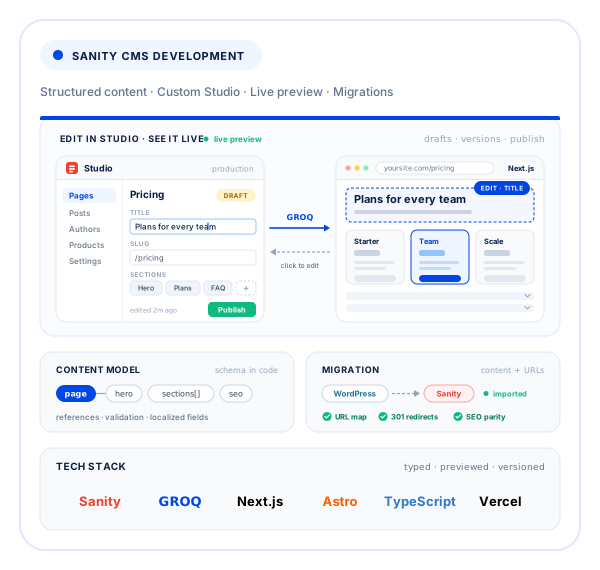
Simplify content management with custom Sanity Studio development, structured content, and seamless migrations. We build websites with Next.js and Astro, add live previews, and make content easier for your team to manage. Our work includes the DataStax marketing website.
Sanity CMS Development Services for Teams That Publish Every Week
Sanity works best when the content model, the Studio, and the front end are designed together. The problems we are asked to fix usually come from building one of them without the other two.
Every Page Change Waits on a Developer
Marketing can't launch a landing page or fix a pricing table without a ticket, because the CMS was set up for the people who build the site, not the people who publish on it.
The Current CMS Can't Model Your Content
Pages are long rich-text fields and plugin shortcodes, so the same product facts live in several places and reusing them across pages, apps, or languages means copying by hand.
An Existing Sanity Project Grew Without a Plan
Years of quick fixes left sprawling schemas, broken previews, and slow queries, so editors avoid parts of the Studio and developers avoid changing the schema.
Sanity Development from Content Model to Launch
Our Sanity CMS development services cover content modeling, Studio customization, page builders, migrations, front-end builds, live preview, and support after launch.
Core service
Sanity CMS Development
Plan, build, and launch a Sanity-backed site or app: schema, Studio, front end, previews, and the publishing workflow your team uses every day.
Content Modeling and Schema Design
Model pages, products, authors, and reusable sections as structured documents, with validation rules and localized fields when you publish in more than one language.
Custom Sanity Studio
Configure the Studio structure, custom inputs, roles, and document actions so each editor sees the fields and steps that matter to their work.
Page Builders for Marketing Teams
Give marketers on-brand sections they can arrange and publish without a developer, like the drag-and-drop builder we built for DataStax.
Migration to Sanity
Move content from WordPress, Contentful, Drupal, or Webflow with field mapping, scripted imports, URL maps, redirects, and search parity checks.
Next.js and Astro Front Ends
Build fast sites on GROQ queries, static generation with on-demand revalidation, and responsive images served from Sanity's image CDN.
Live Preview and Visual Editing
Set up draft previews and click-to-edit overlays so editors check changes in the real page layout before they publish.
Support and Maintenance
Handle Studio and dependency upgrades, schema changes, new page types, query performance, and editor support after launch.
Our Sanity Delivery Process
A Sanity delivery process that starts with the content your team publishes, then builds the schema, Studio, front end, and migration around it.
Content Audit
We review your pages, content types, editors, publishing frequency, integrations, and current CMS to see what the content model has to support.
Content Model
We define document types, reusable sections, references, validation, and localization in schema code, and review them with your editors before building on top.
Studio and Workflow
We configure the Studio structure, custom inputs, roles, and the draft, review, and publish steps your team will follow.
Front End and Preview
We build the site in Next.js or Astro with GROQ queries, live preview, and click-to-edit overlays, deployed to preview URLs as soon as the first pages exist.
Migration and QA
We script the content import, map every URL, set redirects, and check metadata, structured data, and page speed before cutover.
Launch and Handover
We handle cutover and monitoring, train your editors in the Studio, and hand over the schema, code, documentation, and project access.
Technology for Production Sanity Builds
We keep the schema in code so content model changes are reviewed like any other change, and choose the front end and hosting around your team rather than one fixed stack.
Content platform
Sanity
GROQ
Portable Text
Sanity TypeGen
Front end
Next.js
Astro
React
TypeScript
Preview & hosting
Vercel
Netlify
Cloudflare
GitHub Actions
Migrating from
WordPress
Contentful
Drupal
Webflow
Sanity Work Grounded in Real Publishing Teams
We judge a Sanity build by how quickly an editor can ship a correct page, so the content model, Studio, and front end are designed around the people who publish.
We Have Built It for an Enterprise Team
For DataStax we built a Next.js site on Sanity with a drag-and-drop page builder. In internal testing, publishing took 40 to 50 percent less time than the old developer-driven process.
Editors Shape the Studio
We review the Studio with your editors during the build and change field names, order, and help text based on how they actually work.
Search Is Part of the Migration
URL maps, redirects, metadata, and structured data are checked before cutover, so the move to Sanity is planned around your existing rankings.
The Project and Code Stay Yours
The Sanity project, datasets, schema code, front-end repository, and hosting accounts remain with your team after handover.
Industries we serve
SaaS
Developer tools
E-commerce
Media
Healthcare
Non-profit
Sanity and Web Builds We Have Shipped
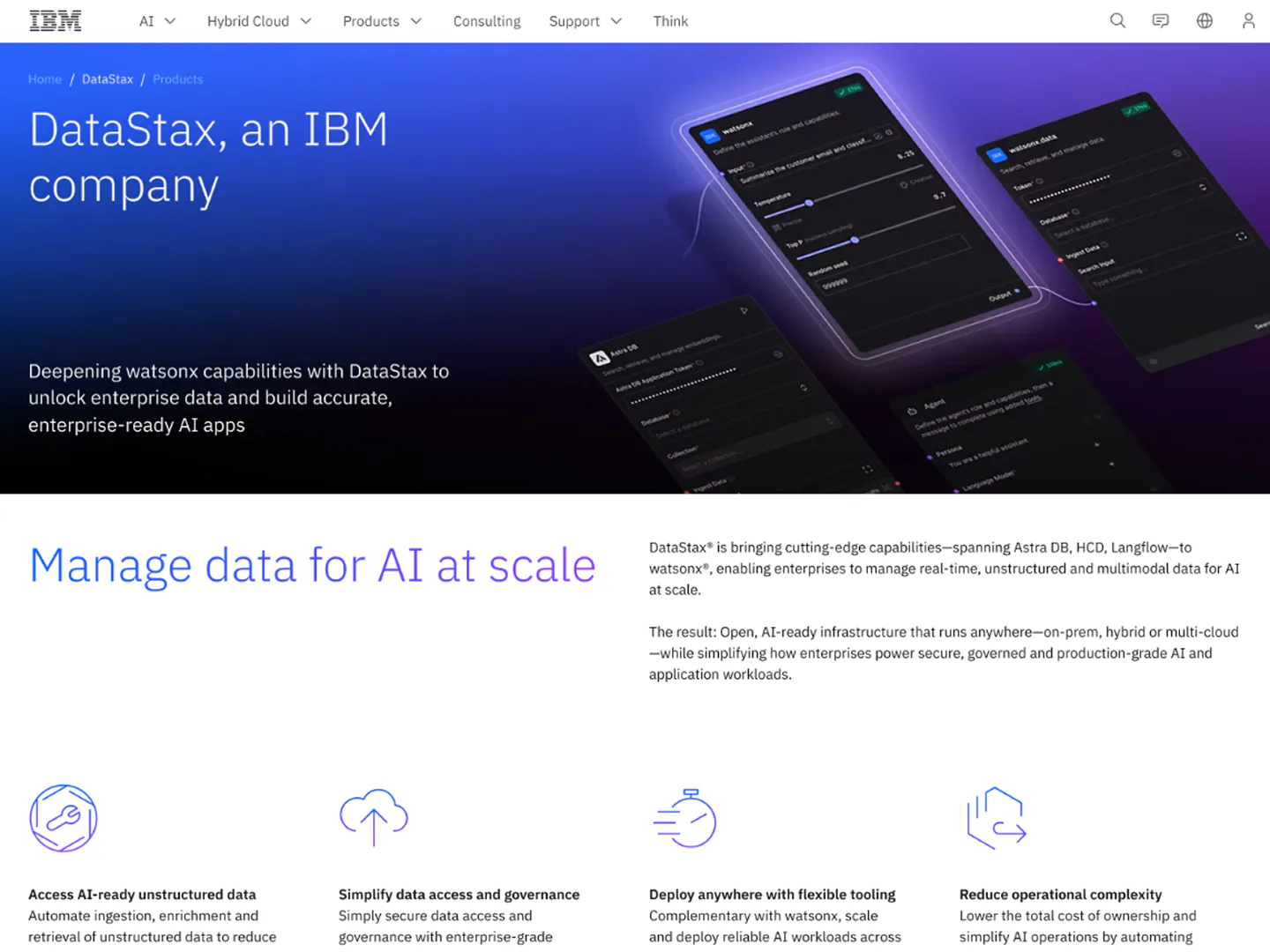
Start with the DataStax marketing site, built on Sanity and Next.js, then see other web projects where we solved content, performance, and search problems.
A high-performing marketing site for a real-time AI data platform company that offers cloud database services, integration, developer resources, and enterprise solutions.
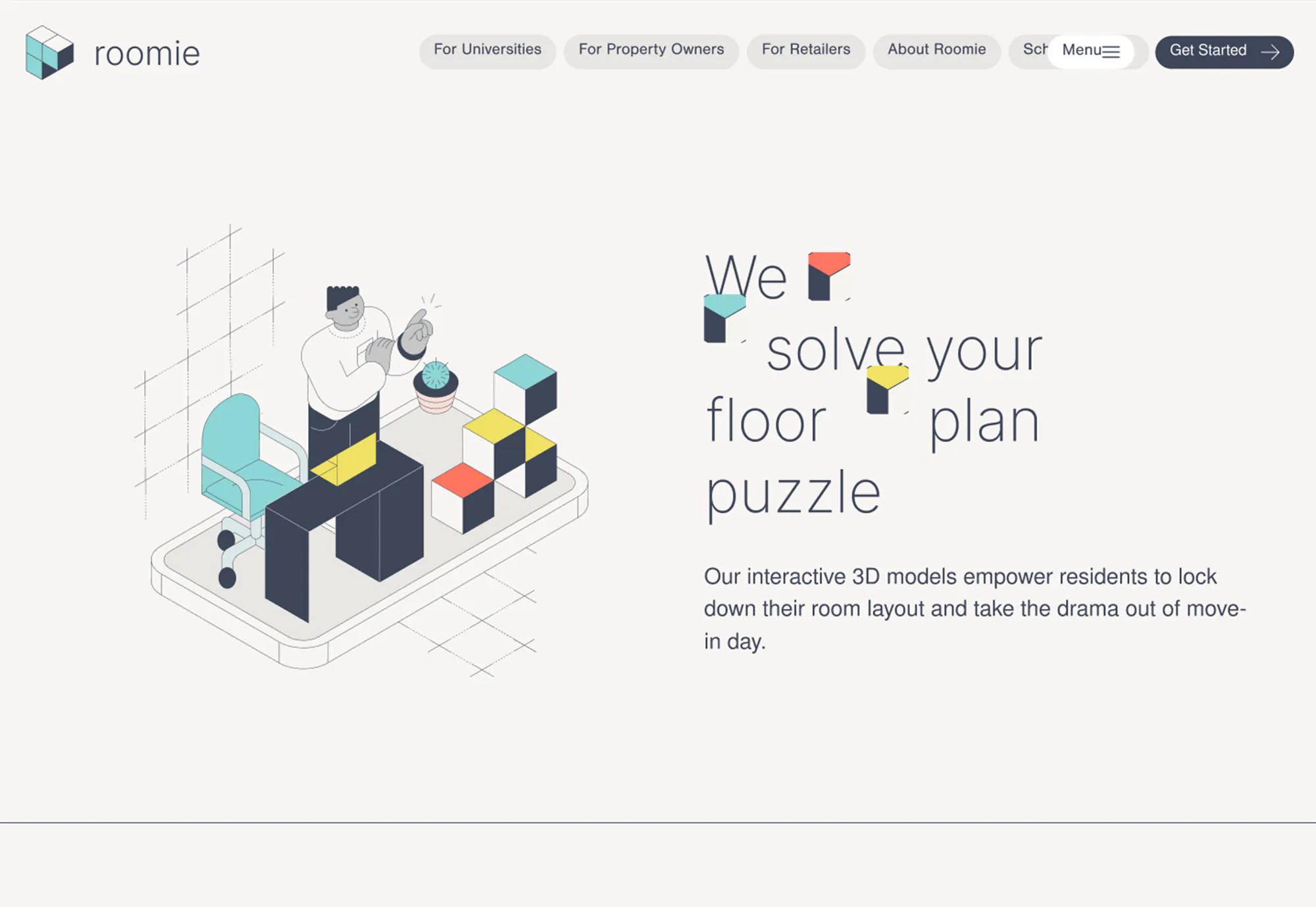
Roomie, an interactive 3D space planning platform designed for apartment and dorm residents. Built using React.js and Babylon.js on the frontend, Java Spring on the backend, and PostgreSQL as the core database.
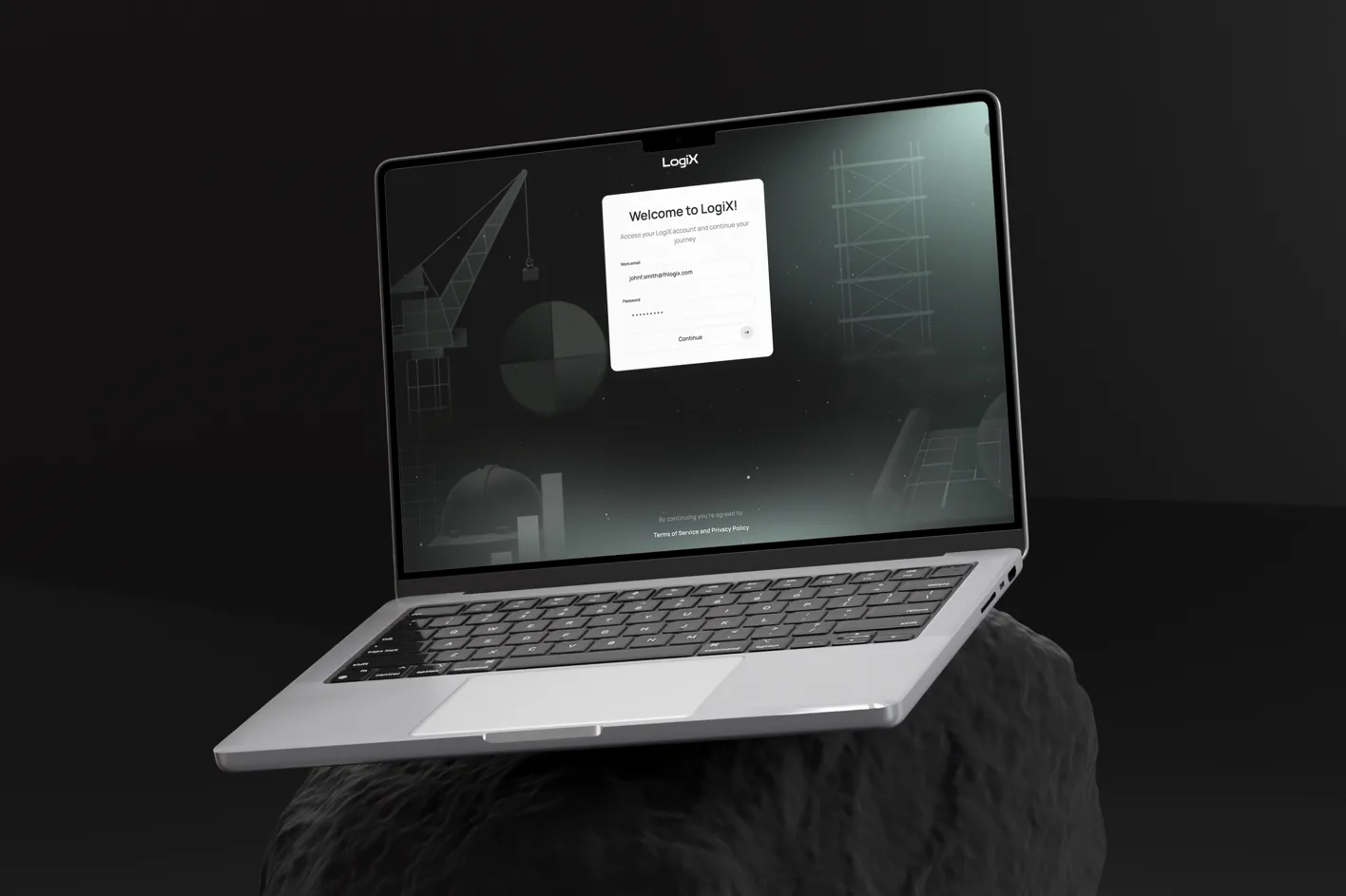
A document management system provides a variety of add-on modules, such as a contract engine and payment engine that detect discrepancies, anomalies, and potential problems within the documents.
A Sanity CMS agency designs your content model, configures Sanity Studio for your editors, builds the front end that reads from it, and moves your existing content in. Sanity itself is a headless CMS: content is stored as structured data and delivered to any site or app through an API.
Not always. Sanity fits best when content is reused across pages, apps, or languages, when editors need custom workflows, or when the front end is a framework like Next.js. WordPress is still simpler for a small site that one person edits with off-the-shelf themes and plugins.
A marketing site on Sanity typically lands in the low-to-mid five figures; large migrations, custom Studio tooling, and multi-language content cost more. We scope and price phase by phase, so each phase is a separate decision.
Sanity has a free plan that suits many small projects, and paid plans for larger teams and higher usage. Sanity bills you directly for the plan, separate from our development work, and we help you choose one based on editors, traffic, and content volume.
A marketing site on Sanity usually ships in 6 to 10 weeks. Migrations depend on how much content moves and how much cleanup it needs, so we size them after the content audit. You see real content on preview URLs early in the build.
Yes. We map posts, pages, custom fields, and media to the new schema, script the import, keep or redirect every URL, and check metadata and structured data before cutover. Moves from Contentful, Drupal, or Webflow follow the same steps.
Yes. We start by reviewing the schema, Studio configuration, queries, and front end, then fix what slows editors and developers down before adding features. You can also hire Sanity developers from our team to work inside your current setup.
You do. The Sanity project, datasets, schema code, front-end repository, and hosting accounts are yours under the engagement terms, with documentation and a handover session included.
Related Services
The service lines most often bundled with this one.
Build Your Sanity Site Around the Team That Publishes It.
Use our no-obligation 40-hour trial to evaluate how we approach one real Sanity schema, Studio, migration, or preview problem before committing to a larger engagement.
Response
Within 24 hours
First call
Free 30-min scope
Engagement
Fixed-scope or T&M
Handover
Code + docs, always
Latest Insights.
Practical essays and guides from our team on building and shipping great software.
 Sanity
 Next.js
 Astro
 React
 TypeScript
 Vercel
 Netlify
 Cloudflare
 GitHub Actions
 WordPress
 Contentful
 Drupal
 Webflow
 Featured · AI / Data Infrastructure
 Featured · Real Estate Tech
 Featured · Finance
 Featured · Marketing