IT Outsourcing Services Company for US Teams.
Add an engineering-led IT team for application support, cloud operations, infrastructure, migrations, security work, and ongoing technical ownership without hiring every role in-house.
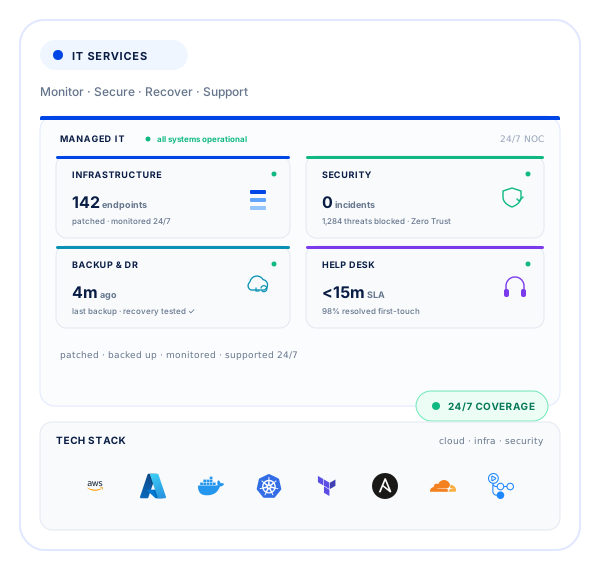
- 24/7
Monitoring
- 99%
Uptime SLA
- 10+
Years experience
- 70+
Happy clients
IT Outsourcing with engineering ownership
IT outsourcing works best when an external team owns clearly defined systems and outcomes instead of acting as a generic ticket queue. We take responsibility for applications, cloud environments, infrastructure, releases, migrations, and operational work with documented scope, ownership, and handover.
Fragmented technical ownership
Applications and infrastructure become harder to maintain when ownership is split between teams or nobody is responsible for the whole operating picture.
Reactive IT spending
Reactive maintenance, emergency fixes, and unclear support scope make technology costs harder to predict.
Slow incident recovery
Weak monitoring, undocumented systems, and untested recovery plans make incidents take longer to diagnose and resolve.
IT outsourcing for systems that need ongoing engineering
Our IT outsourcing services combine application support, cloud and infrastructure operations, security work, migrations, recovery planning, and ongoing engineering for the systems your business depends on.
Application & infrastructure support
Maintain applications, environments, infrastructure, and operational dependencies with documented ownership and regular maintenance.
Cloud operations
Operate cloud environments, manage infrastructure changes, review cost, and handle planned migrations on AWS, Azure, or GCP.
Security & access management
Manage access, patching, secrets, vulnerability remediation, logging, and other security work tied to the systems in scope.
Technical operations support
Investigate production issues, release problems, integrations, and application defects with engineers who understand the code and infrastructure.
System & data migration
Plan and execute application, infrastructure, and data migrations with validation, backup, and rollback paths.
Backup & disaster recovery
Document backup, restore, recovery, and continuity procedures and test the paths your team depends on during an incident.
Our IT Outsourcing process, from transition to steady state
A structured transition process that documents the current environment, assigns ownership, takes over priority systems in stages, and establishes a steady operating rhythm with clear reporting and escalation.
- 01
Discovery
We review applications, infrastructure, cloud accounts, documentation, support history, access, and current ownership.
- 02
Planning
We define service boundaries, responsibilities, priorities, escalation paths, access requirements, and the first transition milestones.
- 03
Implementation
We take over agreed systems in phases, document what we learn, and complete priority maintenance or reliability work.
- 04
Migration
We handle planned migrations and major changes through tested steps with backup and rollback procedures.
- 05
Monitoring
We monitor the systems in scope, review operational signals, and respond according to the agreed support and escalation process.
- 06
Support
We maintain documentation, handle agreed support work, and continue planned engineering improvements as requirements change.
The Reliable IT Operations.
We work with the cloud, infrastructure, monitoring, security, development, and collaboration tools already in your environment wherever they remain the practical choice.
IT outsourcing built around Ownership.
The engagement is built around defined ownership, engineers who understand the systems they operate, visible priorities, and a handover path that keeps the relationship reversible.
Security as operational work
Access reviews, patching, secrets handling, logging, and remediation are tied to the systems and responsibilities in scope.
Clear commercial scope
Scope, team structure, support expectations, and pricing are written down so both sides know what the engagement includes.
Engineering-led operations
The team can maintain existing systems and make engineering changes without forcing an unnecessary platform replacement.
Documented recovery
Runbooks, recovery procedures, monitoring, and documentation reduce dependency on tribal knowledge during incidents.
Industries we serve
Technical challenges turned into Working Systems.
View all case studiesExplore software projects where our engineers solved application, infrastructure, migration, integration, and reliability challenges for clients.
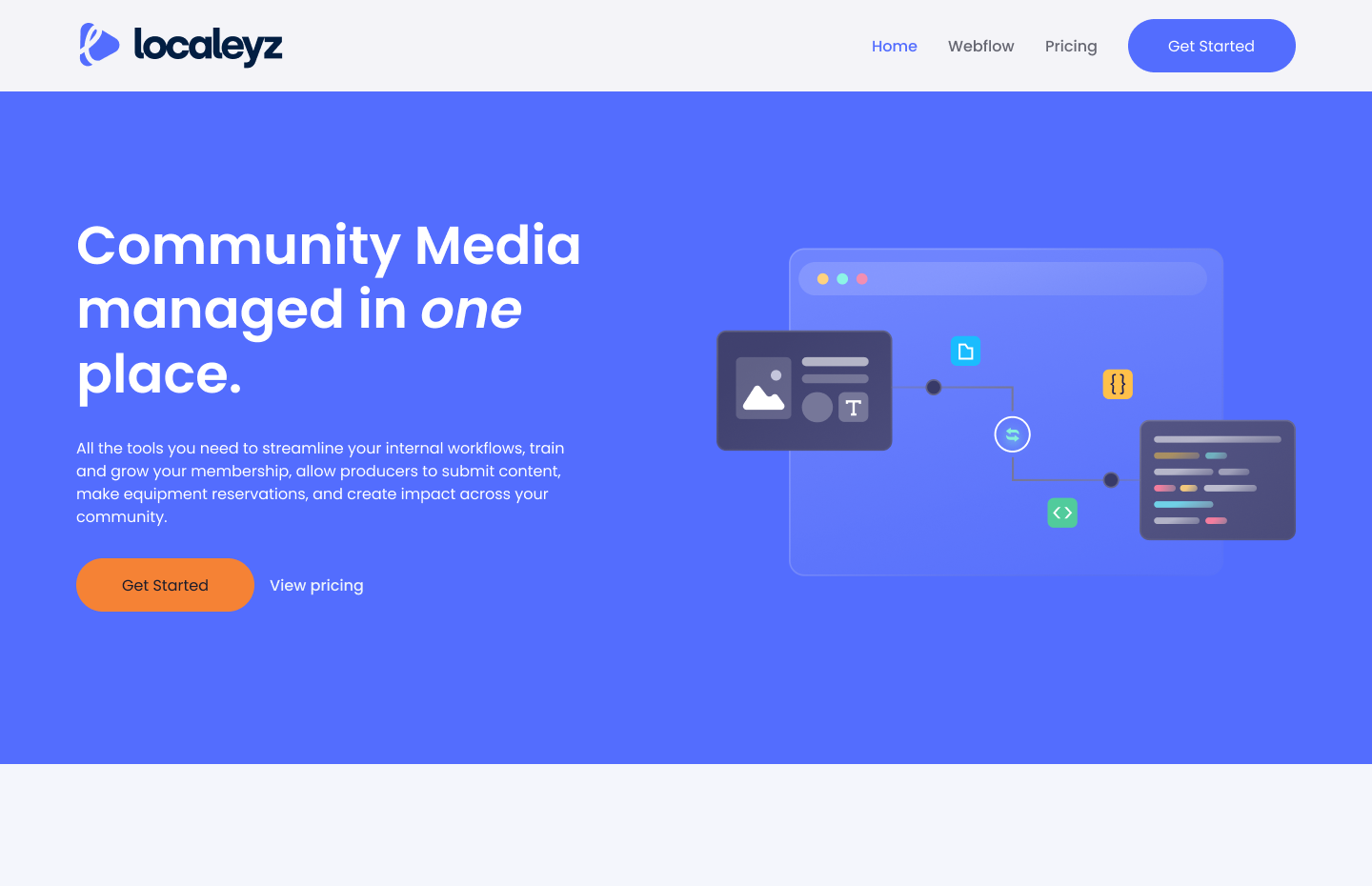
Centralizing Sales Communication with an AI-Powered CRM System
An AI-powered CRM that brings calls, WhatsApp, SMS, and email into one platform, automatically captures leads, triggers follow-ups, and gives sales managers complete visibility into pipeline performance and team activity.
View case study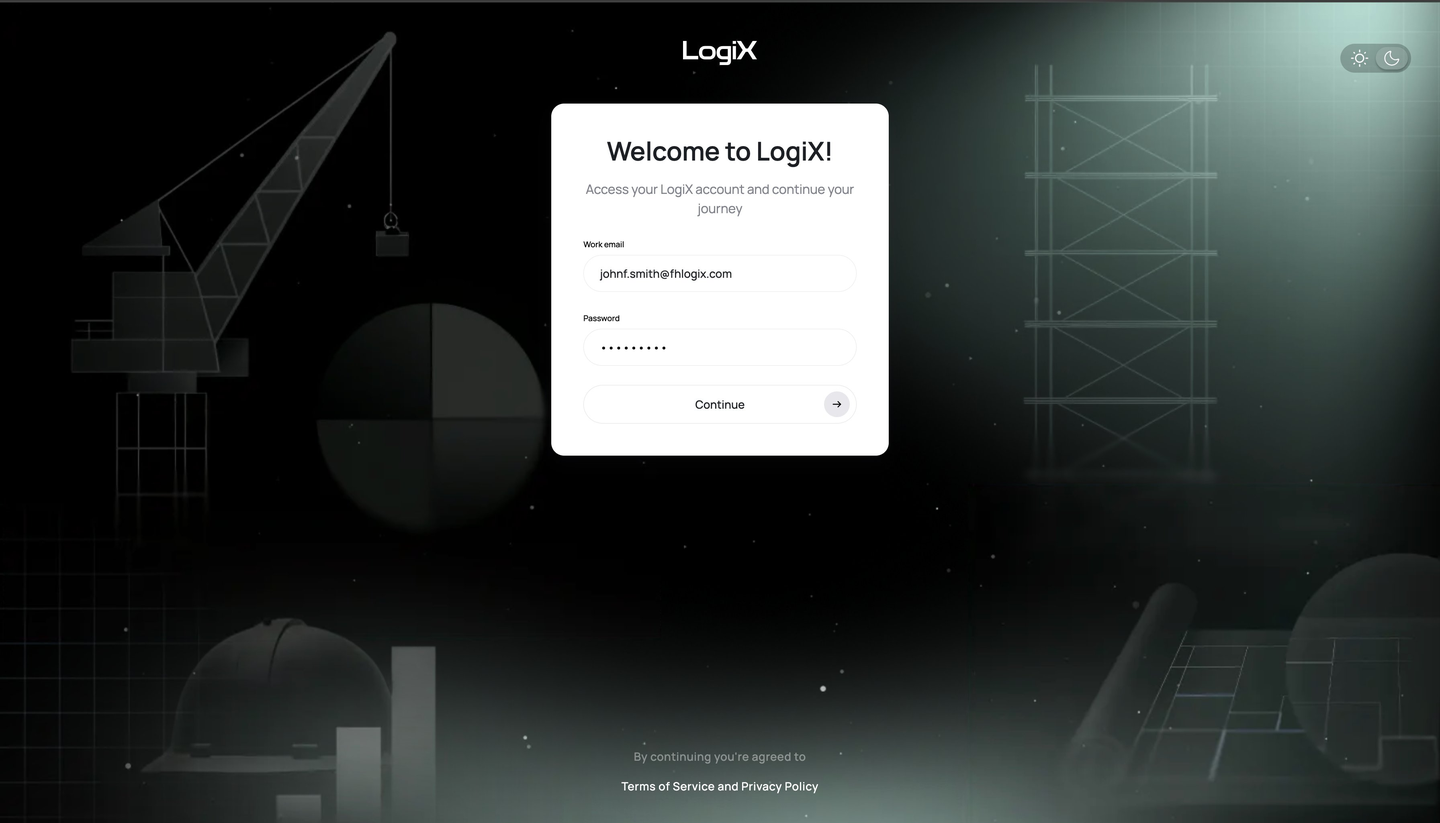
Contract Review Platform
A document management system provides a variety of add-on modules, such as a contract engine and payment engine that detect discrepancies, anomalies, and potential problems within the documents.
View case study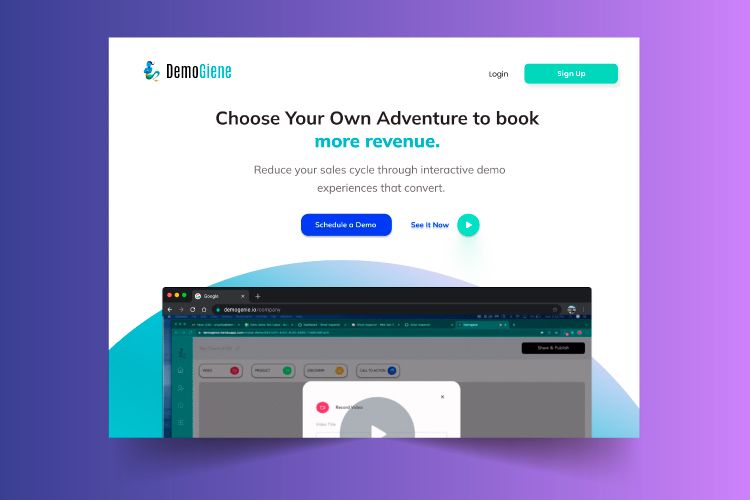
Customer Journey Platform
The platform enables teams to create interactive walkthroughs for product flows, and guided experiences while gaining valuable insights into user interactions, engagement, and behavior throughout every digital experience.
View case study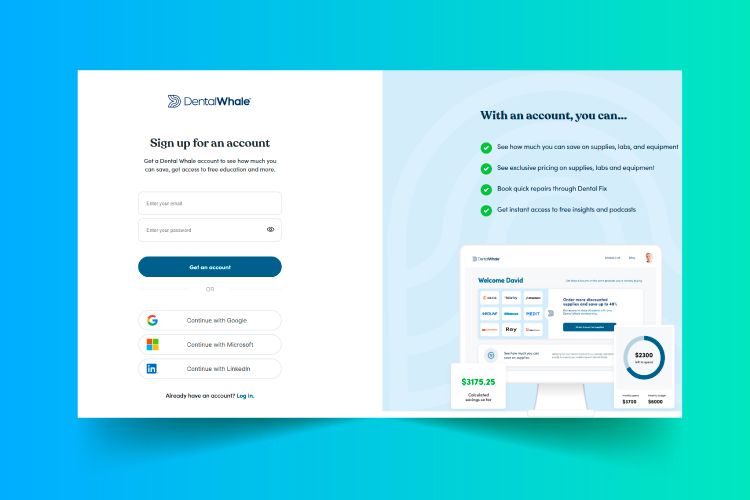
Dental Practice Management
A complete dental business management platform that enables practices to manage procurement, equipment services, laboratory workflows, training, business analytics, and practice operations efficiently from one centralized, integrated system.
View case study
IT Outsourcing questions, answered.
What is IT outsourcing?
IT outsourcing means handing defined technology work to an external team instead of hiring for it internally. That work can be application support and maintenance, cloud and infrastructure operations, or a full engineering squad building product features. The scope, the reporting line, and the exit conditions are agreed up front so the arrangement stays reversible.
What does your IT outsourcing cover?
Application development and maintenance, cloud and server operations, data and integration work, security hygiene such as patching and access reviews, and day-to-day technical support for the systems you already run. We staff engineers who can both keep existing systems stable and build new features on them. If a request falls outside what we can do well, we say so before the contract.
What are the benefits of outsourcing IT support?
You get coverage without carrying full-time headcount for skills you need only part of the time, and you get documentation as a deliverable rather than tribal knowledge in one person's head. That is true of outsourced IT services in general; the difference with an engineering-led IT outsourcing company is that the same people can also change the code. Outsourced support also absorbs the peaks: releases, migrations, audits, and incident spikes. The trade you accept is that scope has to be written down, because an external team cannot read the room the way a colleague can.
When should you outsource IT instead of hiring in house?
Outsource when the work is well defined but the hiring timeline is not, when you need a skill for a quarter rather than a career, or when an internal team is buried in support and cannot get to the roadmap. Hire in house for anything that is core product judgment or requires deep, permanent context. Most teams end up with both, with the outsourced group owning specific systems.
How is an IT outsourcing services company different from an MSP?
An MSP is built around tickets, monitoring, and end-user helpdesk work, and is usually priced per device or per seat. An IT outsourcing services company like ours is built around engineers who can read and change your codebase, run your cloud, and ship releases. If your main need is printers, laptops, and password resets, a local MSP is the better buy.
How do I choose an IT outsourcing services company?
Ask who exactly will do the work, look at their code and their commit history, and confirm the time zone overlap in writing. The same questions separate an IT consulting services company that only advises from one that also operates, and a managed IT services company that only runs tickets from one that ships releases. Check how the engagement ends: who owns the repositories, credentials, and documentation on day one, and what handover looks like. Then start small, with a paid pilot on real work, instead of signing a twelve-month agreement on the strength of a deck.
Can you take over our existing IT infrastructure and applications?
Yes. We start with a technical review of the current setup, write down how it actually works, and only then take responsibility for monitoring, patching, releases, and support. We use the tools you already have wherever possible so a future transition does not force a migration.
Do you offer ongoing IT management and project-based work?
Both. Ongoing engagements run as a monthly team with a set scope and an agreed on-call arrangement, and project work is quoted as fixed scope per milestone. Teams can scale up or down between quarters, and adding one or two of our engineers to your existing team is an option when you only need extra hands.
Do you work with small and mid-sized companies?
Yes. Most of our clients are small and mid-sized companies that need senior engineering and reliable operations without building a large internal department. The smallest useful engagement is one senior engineer part time; below that, the coordination cost is not worth it for either side.
How much does IT outsourcing cost?
It is usually priced one of two ways: a monthly rate per engineer for an ongoing team, or a fixed price per milestone for defined project work. Small ongoing engagements commonly land in the low thousands per month, and full product teams scale from there based on roles and seniority. You get a written scope and price before work starts, plus a 40-hour paid trial if you want to test the team first.
How long does it take to get an outsourced IT team running?
Usually about two weeks when access is ready, and longer when the estate is complex. The first days go to access, documentation, and a review of your systems, then the assigned engineers pick up a small piece of real work so you can judge output early. Transitions involving legacy systems, compliance reviews, or a hand-off from a previous vendor can take three to four weeks.
How do we get started?
Start with a technical review. We map system ownership, support scope, and service boundaries, then send a written plan with pricing before anything is signed.
IT Outsourcing with engineers who can change the systems they operate.
Use our no-obligation 40-hour trial to evaluate how our engineers work with one real application, infrastructure, cloud, or operational problem before committing to a larger outsourcing engagement. If it does not, you owe nothing.
Latest Insights.
View all postsPractical guides from our team on IT operations, cloud infrastructure, DevOps, software engineering, migrations, and reliable production systems.