Custom AI Development Services, Shipped to Production.
Build AI agents, chatbots, copilots, and machine learning systems around your data and workflows. We take them from proof of concept to production with evaluation, guardrails, and monitoring built in.
- 100+
AI projects
- 6 wks
To first PoC
- 10+
Years experience
- 95%
Client retention
AI built around your real Workflows
AI prototypes are easy to demo and harder to operate reliably. We turn promising use cases into production AI systems with dependable data, strong integrations, measurable quality, clear guardrails, and monitoring from day one.
AI that never reaches production
Prototypes that look impressive but fail when real users, data, and edge cases arrive.
Data that isn't ready
Scattered or unreliable data limits answer quality, automation, and model performance.
Weak AI governance
Sensitive data, broad model access, and unclear controls create avoidable security and compliance risk.
AI Agents, Chatbots, Copilots, and Machine Learning
Our custom AI development services bring agents, chatbots, copilots, machine learning, and data engineering together in one delivery team.
Generative AI & LLM apps
LLM applications built on leading or open models with retrieval, evaluations, and guardrails around your data.
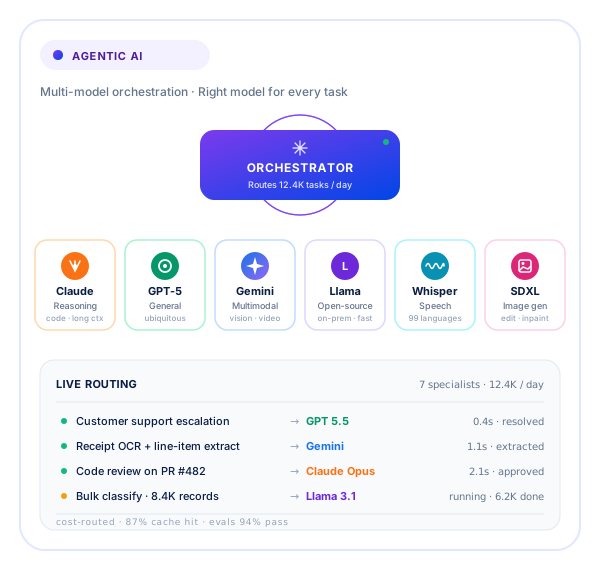
AI agents
AI agent development services for tool-using systems that complete multi-step workflows with defined permissions and approval points.
AI chatbots
AI chatbot development services for customer support and internal assistants grounded in your own knowledge and workflows.
Machine learning
Predictive models for forecasting, scoring, recommendations, and other decisions driven by structured data.
Computer vision
Computer vision systems for image analysis, document understanding, inspection, and data extraction.
Data engineering
Reliable pipelines, data models, and retrieval layers that give AI systems clean and accessible information.
How we build AI systems for Production
A focused delivery process that validates the use case, prepares the data, proves quality, and adds the controls required for production.
- 01
Discovery
We identify the workflow, user need, and measurable result the AI system needs to improve.
- 02
Data readiness
We audit, clean, and prepare the data, integrations, and retrieval sources the system will depend on.
- 03
Proof of concept
We build a focused proof of concept with real data to test quality, feasibility, latency, and cost before a larger investment.
- 04
Productionize
We harden the system for reliability, scale, latency, evaluation, and operating cost before release.
- 05
Guardrails
We add access controls, approval points, logging, privacy rules, and monitoring for production use.
- 06
Iterate
We monitor quality, cost, and failures, then improve the system as data, usage, and requirements change.
Technology behind Production AI.
The models, machine learning frameworks, orchestration tools, and cloud platforms we use to build and operate production AI systems.
AI engineered for reliable Production.
Reliable AI depends on more than the model. We focus on data quality, evaluation, guardrails, security, and production performance from the start.
Validate before scaling
We test the use case with real data and measurable success criteria before committing to a larger build.
Production-ready data
We clean, structure, and connect the data sources your AI system depends on.
Measured quality
Repeatable evaluations measure answer quality, reliability, and regressions before changes reach users.
Security & governance
Access controls, data handling rules, logging, and human approval points are designed into the system.
Industries we serve
Complex ideas turned into working Products.
View all case studiesExplore software and AI products we have delivered, the technical challenges behind them, and the results our work helped clients achieve.
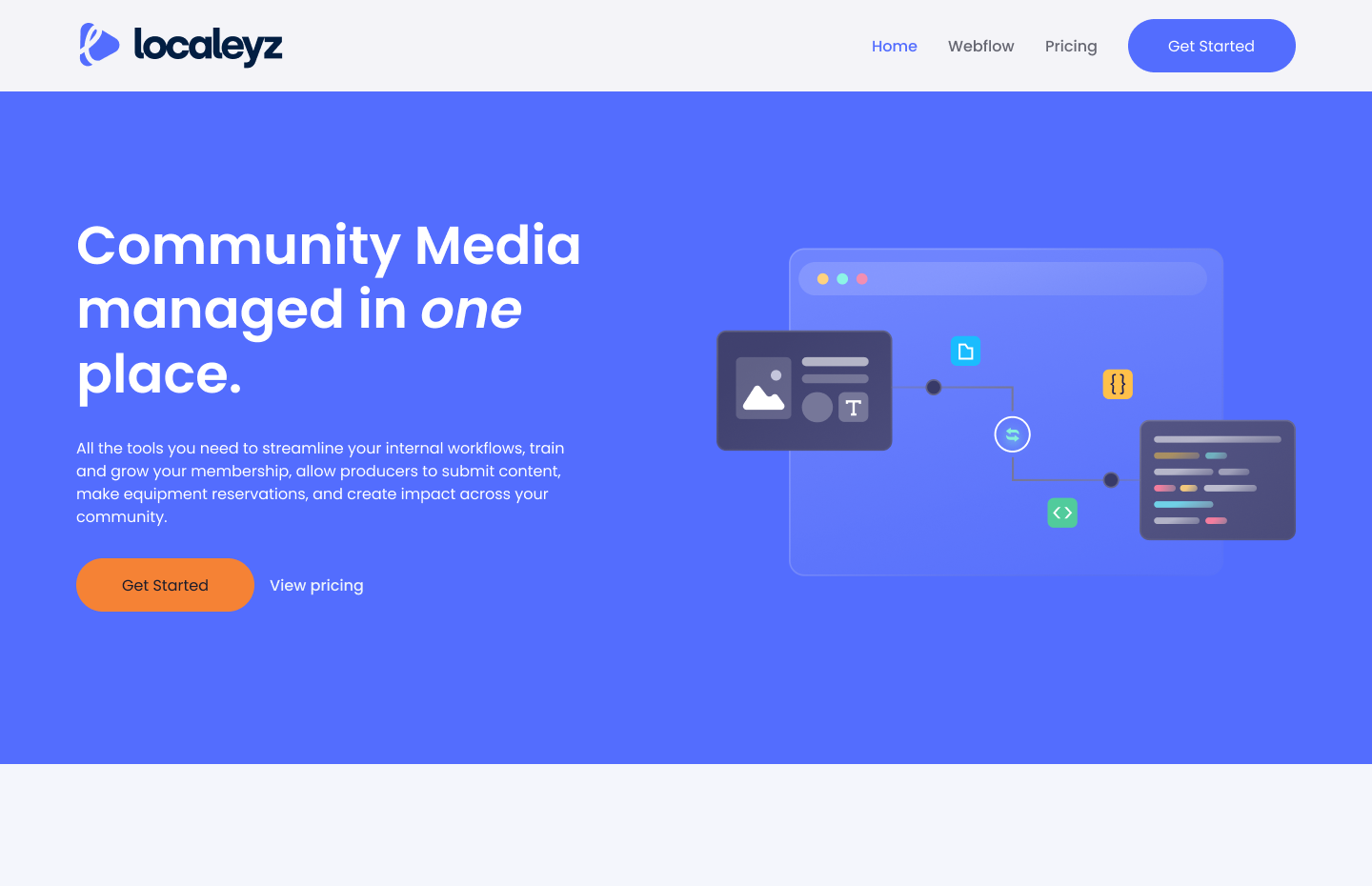
Centralizing Sales Communication with an AI-Powered CRM System
An AI-powered CRM that brings calls, WhatsApp, SMS, and email into one platform, automatically captures leads, triggers follow-ups, and gives sales managers complete visibility into pipeline performance and team activity.
View case study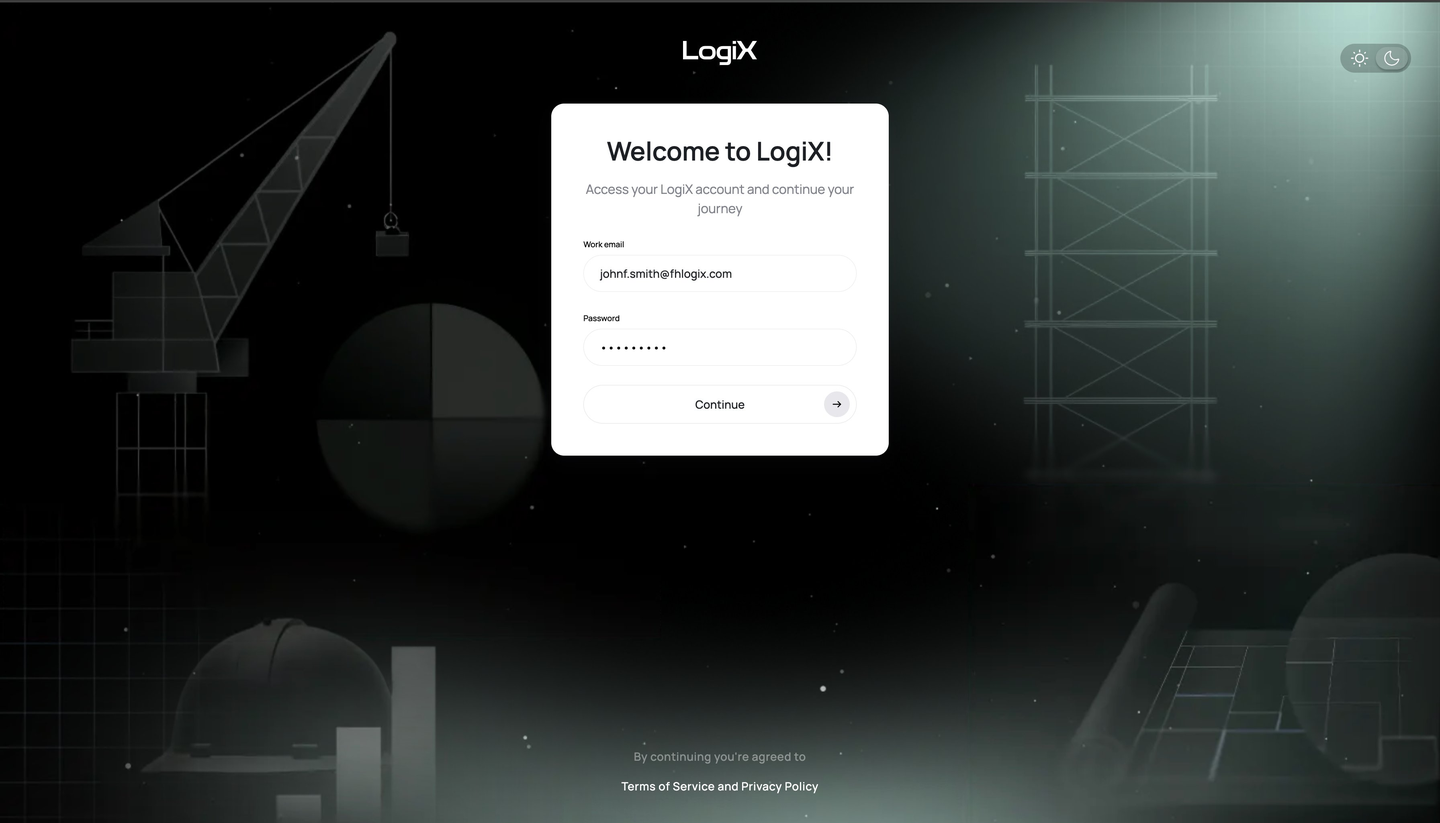
Contract Review Platform
A document management system provides a variety of add-on modules, such as a contract engine and payment engine that detect discrepancies, anomalies, and potential problems within the documents.
View case study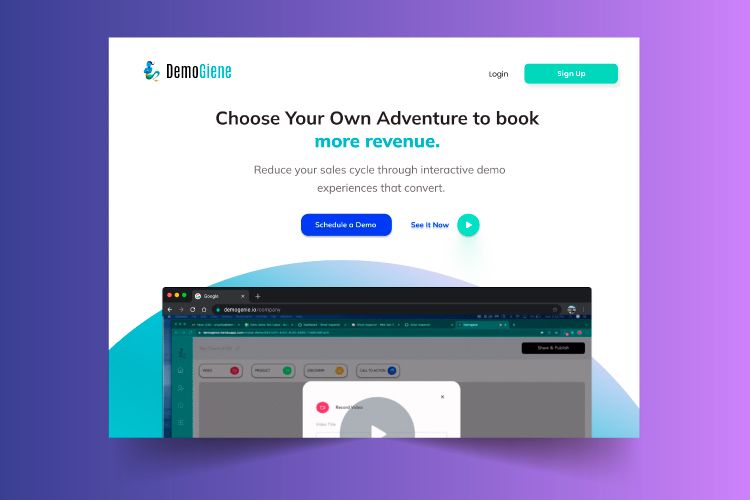
Customer Journey Platform
The platform enables teams to create interactive walkthroughs for product flows, and guided experiences while gaining valuable insights into user interactions, engagement, and behavior throughout every digital experience.
View case study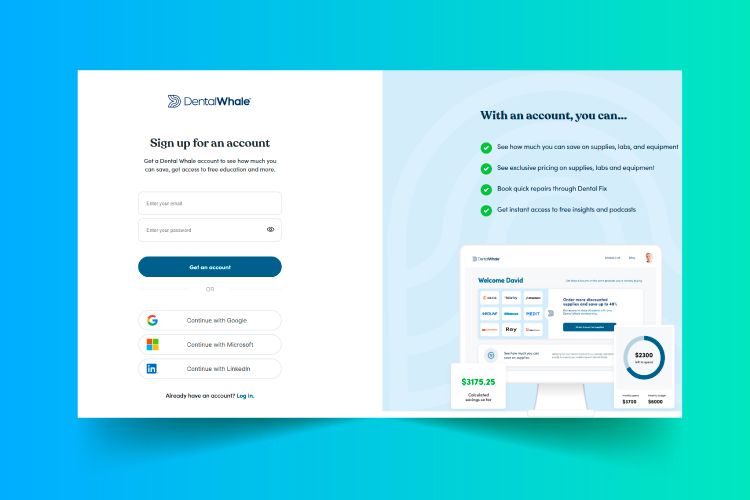
Dental Practice Management
A complete dental business management platform that enables practices to manage procurement, equipment services, laboratory workflows, training, business analytics, and practice operations efficiently from one centralized, integrated system.
View case study
Custom AI questions, answered.
What is custom AI development?
Custom AI development means building agents, chatbots, or models around your own data and workflows instead of adopting a generic tool. The model itself is usually off the shelf; the retrieval, prompts, tool calls, evaluations, and integrations are what get built for you. That is the part that makes output reliable enough to put in front of customers or staff.
What can go wrong with an AI agent in production?
Most failures come from tool permissions that are too broad, missing retries, and no human approval step on high-stakes actions. Good AI agent development services are mostly that guardrail work, and agentic AI development services is simply the newer label for it: defining the tool surface, adding approval steps and retries, and setting hard limits on what the agent can touch. Without those guardrails an agent looks fine in a demo and fails in production.
What is the difference between an AI chatbot and an AI agent?
A chatbot answers questions from a knowledge base and hands off when it cannot help; our AI chatbot development services cover that knowledge base, the handoff rules, and the answer-quality evaluation. An agent takes actions: it updates a record, books a slot, files a ticket, or chains several steps together. Chatbots are cheaper and faster to launch, so many teams ship one first and add agent actions once answer quality and volume are proven.
What do AI copilot development services include?
A copilot sits inside a product or an internal tool and helps one role work faster, whether that is drafting a reply, summarizing a case file, or writing a query. AI copilot development services cover the retrieval layer over your content, prompt and tool design, the in-app interface, and the evaluation harness that keeps answers accurate as your content changes.
Which AI model is best for app development?
It depends on the task. Large language models handle language, reasoning, and tool use; classic machine learning is still cheaper and more accurate for forecasting and scoring; vision models handle images and documents. We benchmark two or three candidates on a sample of your data during the proof of concept and choose on accuracy, latency, and cost per request rather than on brand.
Should we build a custom AI agent or buy an off-the-shelf tool?
Buy when the workflow is generic, such as support triage or meeting notes, and a vendor already does it well. Build when the value depends on your proprietary data, your rules, or a system no vendor can reach. A common middle path is buying the platform and building only the retrieval, tools, and integrations that are specific to you.
How much do custom AI development services cost?
A focused proof of concept usually runs $10,000 to $30,000. A production system typically lands between $50,000 and $250,000 or more, driven mostly by data readiness, the number of integrations, and how much evaluation and monitoring the use case demands. We price after a short discovery, so the number is attached to a defined scope rather than a guess.
How long does an AI proof of concept take?
Two to six weeks for most builds. That is enough to wire up real data, score answer quality against a test set, and estimate running cost per request before you commit to a full build. If a proof of concept cannot show quality inside six weeks, the scope was too broad.
How do you build an AI solution?
Discovery to pin down the workflow and the success metric, then a data readiness pass, then a proof of concept measured against a scored test set. If the numbers hold, we productionize it: guardrails, logging, evaluations in CI, and a rollout that keeps a human in the loop wherever the stakes are high.
How do you handle data privacy and model security?
Governance is planned up front: access control, retention rules, prompt and output filtering, and redaction of sensitive fields. Where data cannot leave your boundary, we can run open models inside your own cloud account or VPC. Requests and responses are logged so you can audit what the system did.
How do we choose an AI development company?
Ask to see a system that is live with real users rather than a demo, and ask how the team measures answer quality. Whether a vendor calls itself an AI development company or an AI agent development company, the test is the same. Look for evaluation sets, a cost per request figure, and a rollback plan, because those separate a shipped AI feature from a prototype. A short paid pilot on your own data tells you more than any deck.
What is generative AI development?
Generative AI development builds applications on large language or image models: chat, drafting, summarization, retrieval over your own documents, and agents grounded in your knowledge base. It is one slice of custom AI development, and it almost always pairs with retrieval and evaluation work so the output stays factual.
Build your next AI Agent or Chatbot with a production-focused team.
Start with a no-obligation 40-hour trial and see how our team approaches your AI use case, data, integrations, and production requirements. Continue if the work earns your confidence. If it does not, you owe nothing.
Latest Insights.
View all postsPractical guides on AI engineering, agents, machine learning, software development, and taking production systems from idea to launch.