SaaS Development Company for Multi-Tenant Products.
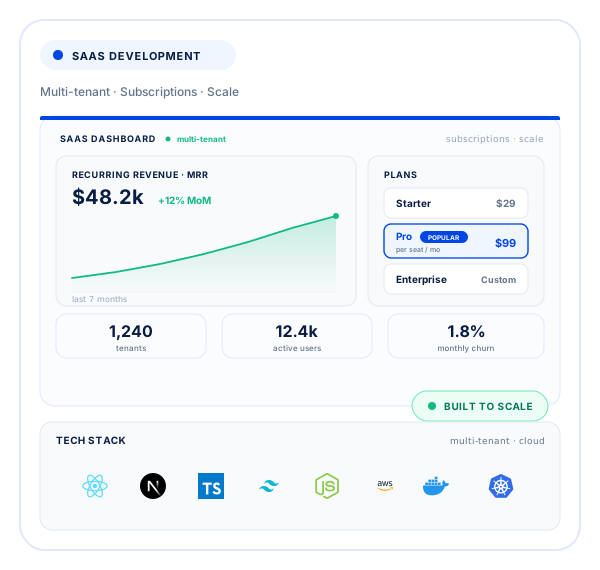
Build a B2B SaaS product with multi-tenant architecture, roles, subscription billing, integrations, cloud operations, and the release process needed to keep shipping after launch.
- 100+
SaaS products
- 4.9★
Avg rating
- 99%
Uptime
- 10+
Years experience
SaaS Architecture built around tenants, billing, and operations.
Conventional, rigid software models are expensive and hard to manage. Today's companies need flexible cloud platforms that scale with their user base. We build SaaS with scalability designed in, so as your marketing brings in more users, you're never worrying whether the app can hold them.
Growth exposes weak architecture
A product that works for ten customers can fail quickly when data volume, background jobs, integrations, and usage all increase together.
Weak tenant isolation
Tenant data, permissions, configuration, limits, and billing become risky when the product treats every customer account as an afterthought.
Billing logic that breaks
Plan changes, trials, proration, usage, failed payments, and account states create revenue problems when billing logic is scattered through the product.
SaaS Development from Tenant Model to Production Operations.
Our SaaS development services include multi-tenant architecture, subscription billing, product development, APIs, integrations, migration work, security controls, cloud delivery, and post-launch evolution.
Multi-tenant architecture
Design tenant boundaries, roles, permissions, account-level configuration, quotas, and usage tracking as core parts of the data and access model.
Subscription & billing
Implement plans, trials, metering, proration, invoices, failed-payment recovery, taxes, and account state changes through a maintainable billing model.
SaaS MVP
Ship the smallest commercial release that customers can use and pay for, then expand the roadmap from product usage and sales feedback.
API & integrations
Build APIs, webhooks, identity integrations, data imports, and connections to the systems customers already use.
Migration to SaaS
Move legacy or single-customer software toward a shared SaaS model in stages, with tenant boundaries and migration controls introduced deliberately.
Security & compliance
Add authentication, SSO, role-based access, audit logs, environment controls, encryption, and evidence required by enterprise security reviews.
From Business Model to a Production SaaS Product.
A SaaS development process that connects the commercial model to tenant architecture, billing, product delivery, security, cloud operations, and the release cycle after the first customers arrive.
- 01
Discovery
We map customers, user roles, product workflows, pricing assumptions, integrations, security requirements, and the goals for the first commercial release.
- 02
Architecture
We plan tenant isolation, identity, permissions, data ownership, integrations, observability, deployment, and the parts of the system expected to scale.
- 03
MVP build
We build the core customer workflows in short iterations and keep billing, tenant rules, and operational requirements inside the same product scope.
- 04
Monetization
We translate pricing and packaging into plan rules, trials, entitlements, usage tracking, invoicing, and account lifecycle behavior.
- 05
Launch & scale
We release with monitoring, backups, deployment automation, environment controls, incident visibility, and a production setup the team can operate.
- 06
Iterate
We continue with feature releases, customer integrations, reliability work, cost tuning, security updates, and technical debt as the product grows.
Technology for Multi-Tenant SaaS.
We choose application, database, cloud, billing, identity, observability, and delivery technologies according to tenant design, integration needs, security requirements, and expected operating load.
Built as a product and a Software Business.
SaaS products have to work as software businesses, not only as applications. We treat tenant isolation, billing, operations, ownership, and ongoing releases as part of the product from the start.
Growth planned early
Architecture, data access, background work, and infrastructure are planned for the usage patterns the business expects instead of waiting for production problems.
Billing built as a system
Billing rules, entitlements, trials, usage, and account states stay explicit so pricing changes do not require risky product rewrites.
B2B workflows that stay clear
Roles, onboarding, account settings, admin workflows, and product navigation are designed around how customer teams actually use the service.
Operations included
Monitoring, deployment automation, backups, access control, documentation, and operational ownership are included in the production plan.
Industries we serve
SaaS challenges turned into Production Products.
View all case studiesExplore products where our engineers solved SaaS architecture, integration, product, scalability, and production challenges for clients.
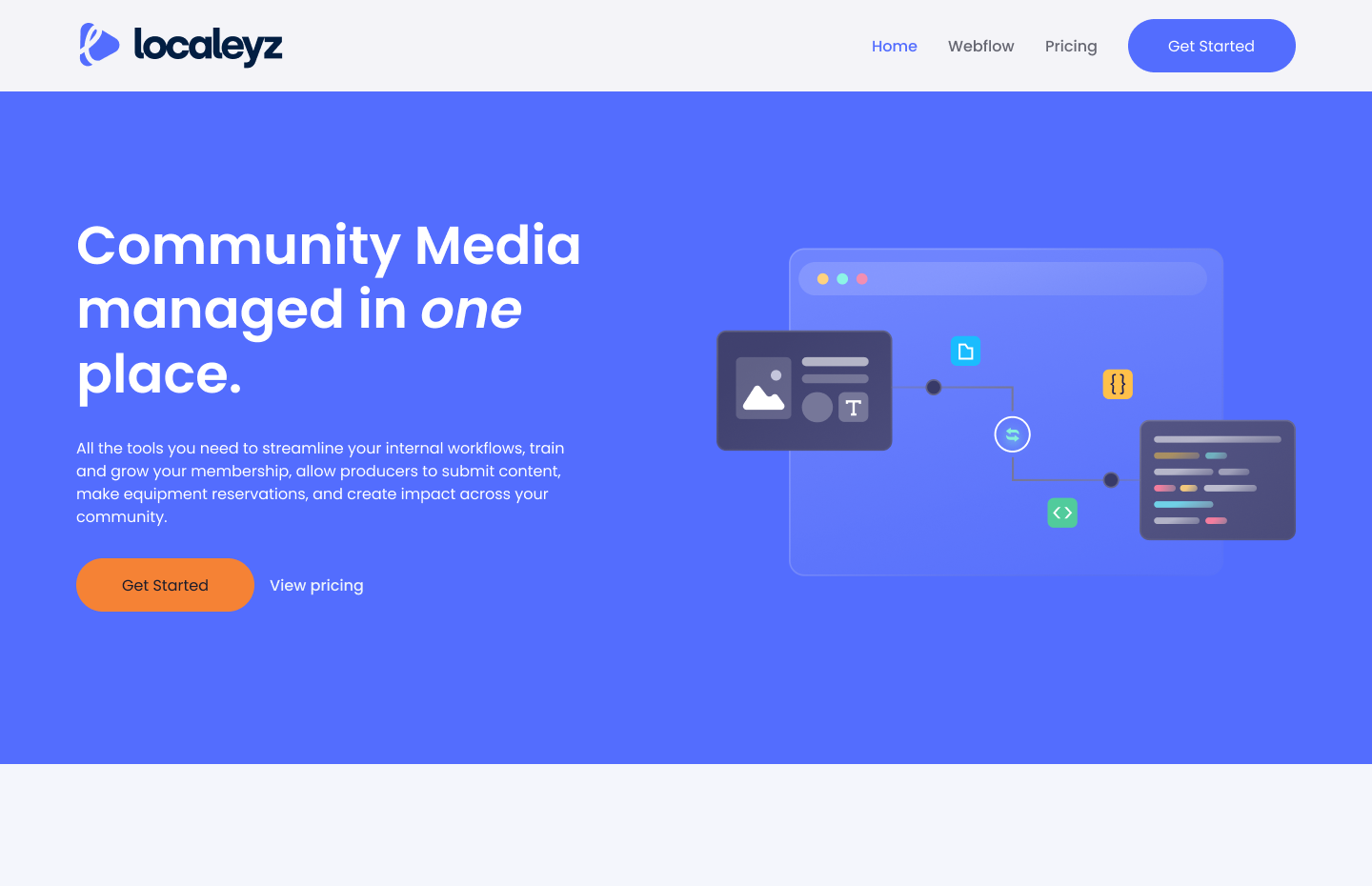
Centralizing Sales Communication with an AI-Powered CRM System
An AI-powered CRM that brings calls, WhatsApp, SMS, and email into one platform, automatically captures leads, triggers follow-ups, and gives sales managers complete visibility into pipeline performance and team activity.
View case study
Contract Review Platform
A document management system provides a variety of add-on modules, such as a contract engine and payment engine that detect discrepancies, anomalies, and potential problems within the documents.
View case study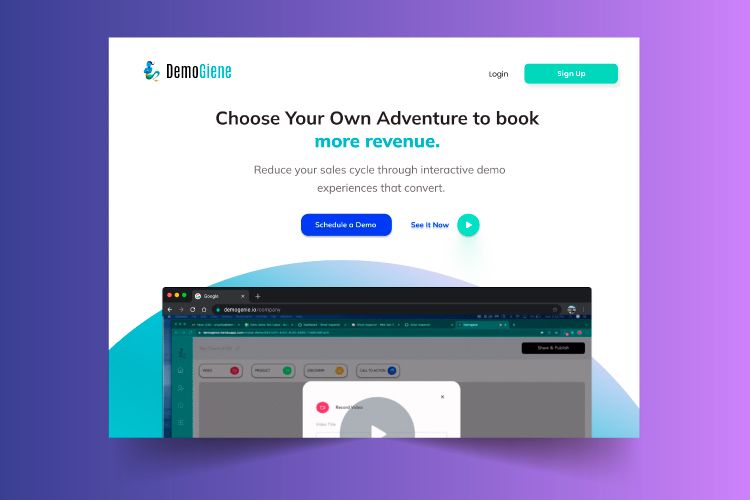
Customer Journey Platform
The platform enables teams to create interactive walkthroughs for product flows, and guided experiences while gaining valuable insights into user interactions, engagement, and behavior throughout every digital experience.
View case study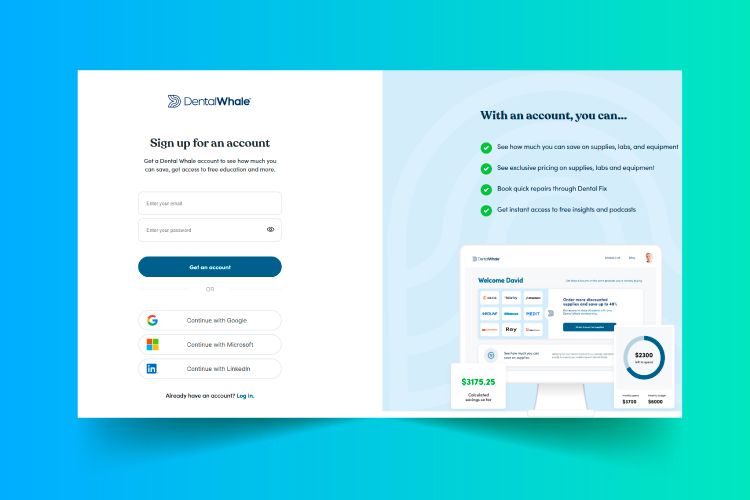
Dental Practice Management
A complete dental business management platform that enables practices to manage procurement, equipment services, laboratory workflows, training, business analytics, and practice operations efficiently from one centralized, integrated system.
View case study
SaaS Development questions, answered.
What is SaaS development?
SaaS development is building software that customers reach through a browser or app instead of installing it, with one codebase serving many accounts and revenue collected by subscription. It covers product design, multi-tenant architecture, authentication, billing, and the cloud infrastructure that runs the product. The work after launch matters as much as the launch itself, because a SaaS product ships changes continuously.
What does a SaaS development company do?
A SaaS development company designs, builds, and operates the product: tenant isolation, roles and permissions, subscription billing, integrations, and a deploy pipeline that pushes updates without downtime. A SaaS app development company that only ships screens leaves the hardest half, billing and operations, to you. The useful ones also make product calls with you, such as which plan tiers to launch with and which features can wait.
What's an example of a SaaS product?
Slack is a familiar one: cloud based team communication with file sharing and integrations, delivered entirely through the browser and billed per seat. Most B2B SaaS follows the same shape, whether it is a claims portal, a scheduling platform, or an internal tool packaged up and sold to other companies.
How do you choose a SaaS application development company?
Ask to see products that are live and paying rather than prototypes, and ask exactly who will write the code. Labels vary, SaaS software development company, SaaS development agency, product studio; judge the shipped products, not the label. Check that the team can handle multi-tenancy, billing, and cloud operations, not just screens, and ask how they handle the first production incident. A short paid pilot on real backlog work tells you more than any pitch deck.
How much does SaaS product development cost?
Most first releases land between $30,000 and $150,000. A SaaS product development company should quote the first release and the monthly run cost separately, and we do. Larger platforms with heavy integrations, compliance work, or complex billing run past $300,000. Cost tracks scope: number of user roles, third party systems, data volume, and how much of the security and audit surface you need on day one. Scope is agreed per milestone after a discovery pass, so you know what a milestone includes before it starts.
How long does it take to build a SaaS product?
A focused first release usually takes 4 to 6 months. Broader platforms with deep integrations, granular permissions, and enterprise single sign on typically run 6 to 12 months. The fastest route is a narrow first version real customers pay for, then a regular release cycle, often every two weeks, once real customers are on it.
Should we build a custom SaaS platform or configure off-the-shelf software?
If the workflow you are selling is the product, build it. If it is an internal process an existing tool already handles, configure the tool and spend the budget on the part that is genuinely yours. The honest test is whether a customer would pay for the difference; when the answer is no, custom code is just overhead.
What is multi-tenant architecture?
One application and one deployment serving many customer accounts, with each tenant's data isolated by design rather than by convention. It keeps hosting costs flat as customers are added and lets you ship a single update to everyone at once. The tradeoff is that isolation, per tenant limits, and noisy neighbor problems have to be handled in the schema and the access layer from the start.
How do you handle SaaS security and compliance?
On builds that carry real customer data we default to: hardened authentication or single sign on, role based access control, encryption in transit and at rest, audit logging, and least privilege on cloud resources. For regulated buyers we implement the controls and evidence trails a SOC 2 or HIPAA review asks for and work alongside your auditor rather than replacing one. Where a penetration test is in scope, we plan remediation time before launch rather than treating findings as post-launch backlog.
How do you price and monetize SaaS?
Most products settle on seat based tiers, usage metering, or a hybrid of a platform fee plus overage. The billing has to handle plan changes, trials, proration, dunning, and taxes correctly, because that logic is where SaaS revenue quietly leaks. Pricing usually changes in the first year, so the billing model is built to be edited.
How is SaaS development related to cloud computing?
SaaS is a delivery model that sits on top of cloud computing: the vendor runs one application on cloud infrastructure and customers subscribe instead of hosting anything themselves. That makes capacity, backups, monitoring, and deploys your responsibility as the vendor, so cloud architecture is part of the build scope. Builds run on AWS, GCP, or Azure, normally in accounts you own.
Who owns the code and the cloud accounts?
You do. Our standard agreement assigns the IP to you on payment, and repositories, CI pipelines, and cloud accounts are set up under your organization or transferred to it at handover, along with the documentation and runbooks another team would need to pick the product up.
Build your next SaaS Product around real customer operations.
Start with a no-obligation 40-hour trial and see how we design and develop secure, scalable SaaS platforms built around your business goals. If the work earns your confidence, pay for it and keep going. If it does not, you owe nothing.
Latest Insights.
View all postsPractical guides from our team on SaaS architecture, subscription billing, cloud operations, product engineering, integrations, and scaling software after launch.