Cloud Migration Services.
Plan and execute cloud migrations to AWS, Azure, or GCP with phased cutovers, rollback paths, cost controls, and ongoing support after launch.
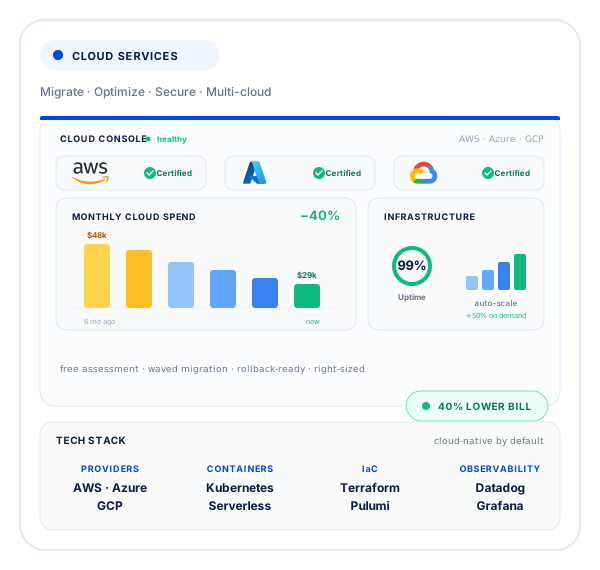
- 3
Clouds certified
- 40%
Cost saved
- 99%
Uptime
- 24/7
Monitoring
Cloud migration without surprise Costs or Downtime
Cloud migration creates value only when the target environment improves cost, reliability, security, or delivery speed. We assess your current estate, map dependencies, move workloads in controlled waves, and optimize the environment after cutover.
Uncontrolled cloud costs
Oversized resources, idle infrastructure, and weak cost controls increase cloud spend without improving performance.
High-risk migrations
Moving workloads without dependency mapping, testing, or rollback planning increases migration risk.
Reliability gaps
Poor architecture leaves critical workloads vulnerable to outages even after they move to the cloud.
Cloud services from migration planning to Managed Operations
Our cloud migration services cover assessment, architecture, migration, cloud-native development, cost optimization, DevOps, and ongoing cloud operations.
Cloud migration
Move applications, data, and infrastructure to AWS, Azure, or GCP in planned waves with testing and rollback paths.
Cloud consulting
Review your estate, dependencies, architecture, security, and expected costs before migration work begins.
Cloud-native development
Build or refactor applications for containers, managed services, serverless workloads, and cloud-native scaling.
Managed cloud
Handle monitoring, patching, backups, incident response, scaling, and routine cloud maintenance after cutover.
Cost optimization
Reduce waste through right-sizing, reserved capacity, autoscaling, storage policies, and ongoing cost reviews.
DevOps & CI/CD
Automate infrastructure and deployment workflows with CI/CD pipelines and infrastructure as code.
Our Cloud Migration Process, from assessment to operations
A structured cloud migration process that maps dependencies, plans each workload, protects the cutover, and improves cost, security, and reliability after the move.
- 01
Assess
We review your applications, infrastructure, dependencies, costs, risks, and current operational requirements.
- 02
Plan
We select the target platform, architecture, migration strategy, wave order, and rollback plan for each workload.
- 03
Migrate
We move workloads in controlled waves, validate each cutover, and keep rollback available until the new environment is stable.
- 04
Optimize
We right-size resources, remove waste, configure scaling, and review storage and capacity costs.
- 05
Secure
We strengthen identity, access, networking, secrets, encryption, logging, and compliance controls.
- 06
Manage
We monitor the environment, handle maintenance and incidents, and continue tuning reliability and cloud spend.
Technology for reliable Cloud Operations.
We use established cloud platforms, container tooling, infrastructure as code, and observability tools to build environments your team can operate and maintain.
Cloud migration built around Operational Reliability.
Our engineers plan migrations around business continuity, operating cost, security, and the skills your team needs to manage the environment after launch.
Multi-cloud expertise
Work with engineers experienced across AWS, Azure, and GCP so platform decisions follow your workload requirements.
Cost visibility
Cost modeling, right-sizing, budgets, and ongoing reviews are included in the migration and operating plan.
Controlled migrations
Wave-based migrations, testing, parallel environments, and rollback plans reduce disruption during cutover.
Security by design
Identity, network controls, encryption, logging, and compliance requirements are planned before workloads move.
Industries we serve
Engineering challenges turned into Reliable Systems.
View all case studiesExplore software projects where our engineers solved infrastructure, scalability, reliability, and product challenges for clients.
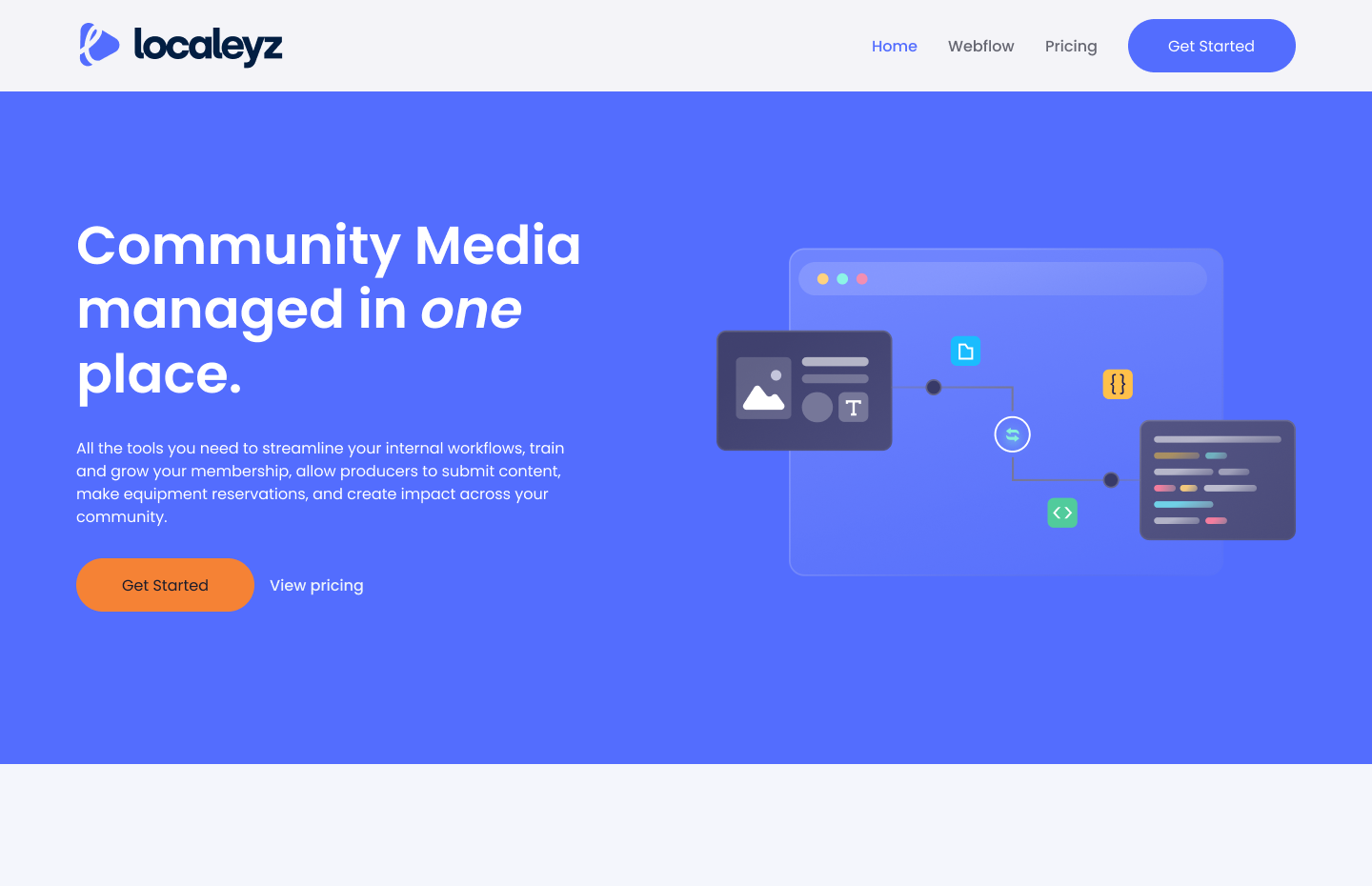
Centralizing Sales Communication with an AI-Powered CRM System
An AI-powered CRM that brings calls, WhatsApp, SMS, and email into one platform, automatically captures leads, triggers follow-ups, and gives sales managers complete visibility into pipeline performance and team activity.
View case study
Contract Review Platform
A document management system provides a variety of add-on modules, such as a contract engine and payment engine that detect discrepancies, anomalies, and potential problems within the documents.
View case study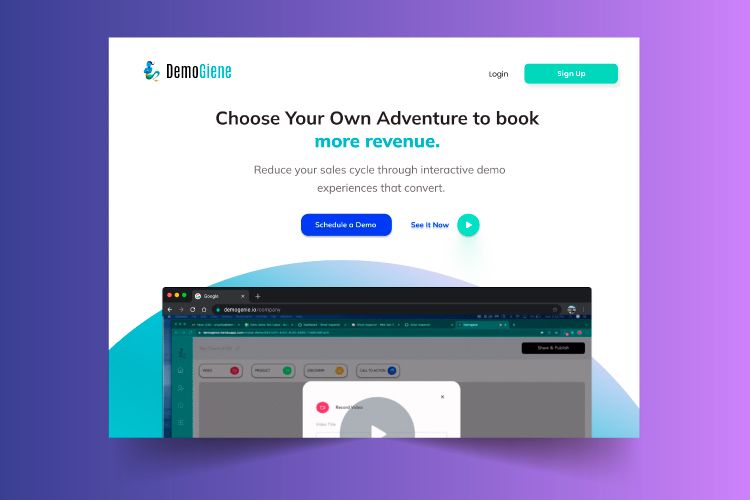
Customer Journey Platform
The platform enables teams to create interactive walkthroughs for product flows, and guided experiences while gaining valuable insights into user interactions, engagement, and behavior throughout every digital experience.
View case study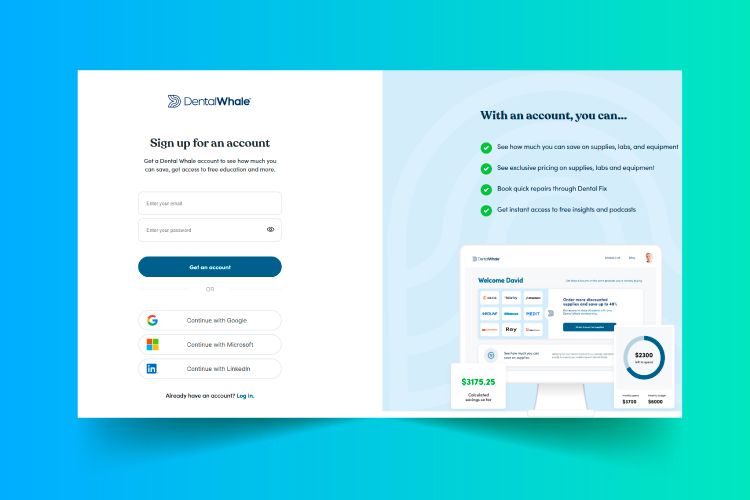
Dental Practice Management
A complete dental business management platform that enables practices to manage procurement, equipment services, laboratory workflows, training, business analytics, and practice operations efficiently from one centralized, integrated system.
View case study
Cloud migration questions, answered.
What is cloud migration?
Cloud migration is the move of applications, data, and infrastructure from on-premise hardware or one provider to a cloud platform such as AWS, Azure, or GCP. Most teams hire a cloud migration company for the heavy waves and keep the decisions in-house, or the other way round; both work. It is normally done in waves so each workload is validated before the next one moves, which keeps downtime inside a planned window. Most estates end up as a mix of rehosted, replatformed, and rebuilt workloads rather than one single approach.
What are the 7 steps of cloud migration?
Assess the estate and its dependencies, build the business case and target cost model, choose a migration strategy per workload, stand up the landing zone with identity and networking, migrate in waves with a rollback path, validate and cut over, then optimize and operate. The order matters because landing zone decisions constrain everything that moves after them. Skipping the assessment is the most common reason a migration overruns its budget.
What are the 7 types of cloud migration?
The standard set is retire, retain, rehost, relocate, replatform, refactor, and repurchase, usually called the 7 Rs. Rehost is the fastest to execute, refactor gives the lowest long-term run cost, and retire is the one teams forget even though it removes work outright. A good assessment tags every workload with one of these before any migration begins.
What is a cloud migration strategy?
It is the decision record for how each workload moves: the chosen R, the target services, the wave it belongs to, the cutover and rollback plan, and the cost and risk you accept. Without one, teams default to lift and shift everywhere and inherit the same bill they were trying to reduce. The strategy is the first deliverable of the assessment, and it is written so your own engineers could execute it.
What do cloud migration consulting services include?
Cloud migration consulting services cover the estate assessment, dependency mapping, target architecture, business case, and wave plan, without touching production. Our wider cloud consulting services cover architecture and cost reviews outside a migration as well. You end up with a strategy, a cost model, and a runbook for the waves. Most clients then keep the same team for the migration itself, but that is a separate decision.
Do you offer cloud migration professional services, or only advisory?
Both. Cloud migration advisory services produce the strategy, cost model, and wave plan. Cloud migration professional services and cloud migration engineering services are the hands-on part: landing zone build, cloud application migration services for each workload, cutover, and rollback. Most clients start with the assessment and keep the same engineers for the waves, so nothing is lost between the plan and the build.
How much does cloud migration cost?
A focused single-workload migration typically runs $20,000 to $75,000. Larger multi-application estates start around $100,000 and are delivered in phased waves. Right-sizing and reserved capacity usually offset a meaningful share of the ongoing run cost, and the assessment gives you firm numbers before anything moves.
How long does a cloud migration take?
A focused workload is usually a few weeks from assessment to cutover. A large estate runs several months, split into waves so value lands early instead of only at the end. The dependency map sets the wave order, so the timeline comes from your estate rather than a template.
AWS vs Azure vs GCP, which is best?
It depends on your workloads, your existing licensing, and what your team already knows how to operate. AWS has the widest service catalog, Azure usually wins when you are heavy on Microsoft licensing and identity, and GCP is strong for data and analytics workloads. Our engineers work across all three and recommend on fit and run cost, not preference.
Do you provide AWS cloud migration services?
Yes. AWS is the platform we migrate to most often. That covers landing zone setup with Organizations and Control Tower, EC2 and RDS rehosting, containerization on ECS or EKS, and S3 with lifecycle policies for storage. Azure and GCP migrations follow the same process using the equivalent services.
What are cloud migration managed services?
Cloud migration managed services cover what happens after cutover: monitoring, patching, backup and restore drills, scaling, incident response, and monthly cost tuning. Buying cloud migration and management services together means the engineers who moved the workload keep operating it, so there is no handover gap between the team that migrated it and the team that runs it. You get production reliability without staffing a full-time ops team.
How do you control cloud costs after migration?
Right-sizing, reserved and spot capacity, autoscaling, storage lifecycle rules, and removing idle resources. We set budgets and alerts per environment so a runaway cost surfaces quickly instead of on the next invoice. Cost review is part of the engagement rather than an upsell.
How do you handle cloud security and compliance?
Identity and access, network segmentation, encryption in transit and at rest, secret management, and audit logging are built into the landing zone rather than bolted on later. Controls are mapped to the standards your industry expects, such as SOC 2 or HIPAA, and where an audit is in scope we capture evidence from the first wave, so your auditors get logs and infrastructure as code rather than screenshots.
Plan your Cloud Migration with a clear path to production.
Use our no-obligation 40-hour trial to evaluate our approach to cloud architecture, migration planning, infrastructure automation, and optimization before committing to a larger engagement.
Latest insights.
View all postsPractical guides from our team on cloud infrastructure, DevOps, software engineering, scalability, and building reliable digital products.