Data Engineering Services.
Build reliable data pipelines, models, and analytics infrastructure that give your teams clean, usable data for reporting, automation, and AI.
- 100+
Data & AI projects
- 10+
Years experience
- 99%
Pipeline uptime
- 95%
Client retention
Turn scattered sources into reliable Data Systems your teams can trust
Data engineering breaks down when sources are fragmented, pipelines fail silently, and teams use different definitions for the same metrics. We connect systems, standardize transformations, add testing and observability, and build data layers your teams can use with confidence.
Fragmented source data
Conflicting formats and duplicate records make reports harder to trust and downstream systems harder to maintain.
Unreliable pipelines
Brittle pipelines fail under production volume, schema changes, and growing integration requirements.
Inconsistent data models
Different teams calculate the same business metrics in different ways, creating conflicting reports and decisions.
Data engineering from Ingestion to production
Our data engineering services cover ingestion, transformation, modeling, orchestration, testing, analytics, and the infrastructure needed to run reliable data workloads in production.
Build
Connect databases, applications, files, and APIs through dependable ingestion and integration pipelines.
Pipeline engineering
Build batch and streaming pipelines that transform data reliably and handle schema changes without constant manual repair.
Data modeling & warehousing
Design warehouse and lakehouse models that give analytics teams clear, reusable business definitions.
Data quality & observability
Add validation, testing, lineage, and observability so teams catch bad data before it reaches reports or applications.
Analytics engineering
Build transformation layers and semantic models that make reporting faster and reduce repeated logic in dashboards.
Real-time data
Process events and operational data in near real time for monitoring, alerts, and time-sensitive product workflows.
AI-ready data infrastructure
Prepare governed, accessible data layers that give AI applications reliable inputs without rebuilding the data foundation for every use case.
Data platform operations
Automate orchestration, monitoring, cost controls, and recovery so the platform remains stable as data volume and usage grow.
Our Data Engineering process, from sources to production
A structured data engineering process that starts with your sources and business requirements, then moves through architecture, pipeline development, testing, deployment, and ongoing optimization.
- 01
Assess
We review your sources, pipelines, reporting needs, failure points, and data dependencies.
- 02
Design
We design the target architecture, data models, orchestration approach, and operating requirements.
- 03
Data management
We build ingestion, transformation, and integration pipelines around your source systems and business logic.
- 04
Validate
We add automated tests, monitoring, lineage, and validation around critical data flows.
- 05
Deploy
We deploy pipelines, models, and infrastructure through repeatable environments with documented ownership.
- 06
Optimize
We monitor reliability, performance, query cost, and changing source requirements after launch.
Technology for Reliable Data Engineering.
We use established warehouse, orchestration, streaming, cloud, and analytics technologies according to your data volume, latency, reliability, and reporting requirements.
Data engineering built with Ownership.
Reliable data engineering requires more than moving records between systems. We build for maintainability, observability, clear ownership, and the production demands your teams face every day.
Work with your existing stack
We work with existing databases, APIs, warehouses, and legacy systems without forcing unnecessary platform changes.
Maintainable engineering
Version-controlled pipelines, repeatable environments, and documented models make the platform easier for your own engineers to operate.
Data quality built in
Tests, validation rules, and observability catch failures before they spread into reports and downstream systems.
Measurable delivery
We break the work into measurable phases so each release improves a real pipeline, dataset, or reporting workflow.
Industries we serve
Complex data challenges turned into Reliable Systems.
View all case studiesExplore software and data projects where our engineers solved integration, scalability, reliability, and platform challenges for clients.

Centralizing Sales Communication with an AI-Powered CRM System
An AI-powered CRM that brings calls, WhatsApp, SMS, and email into one platform, automatically captures leads, triggers follow-ups, and gives sales managers complete visibility into pipeline performance and team activity.
View case study
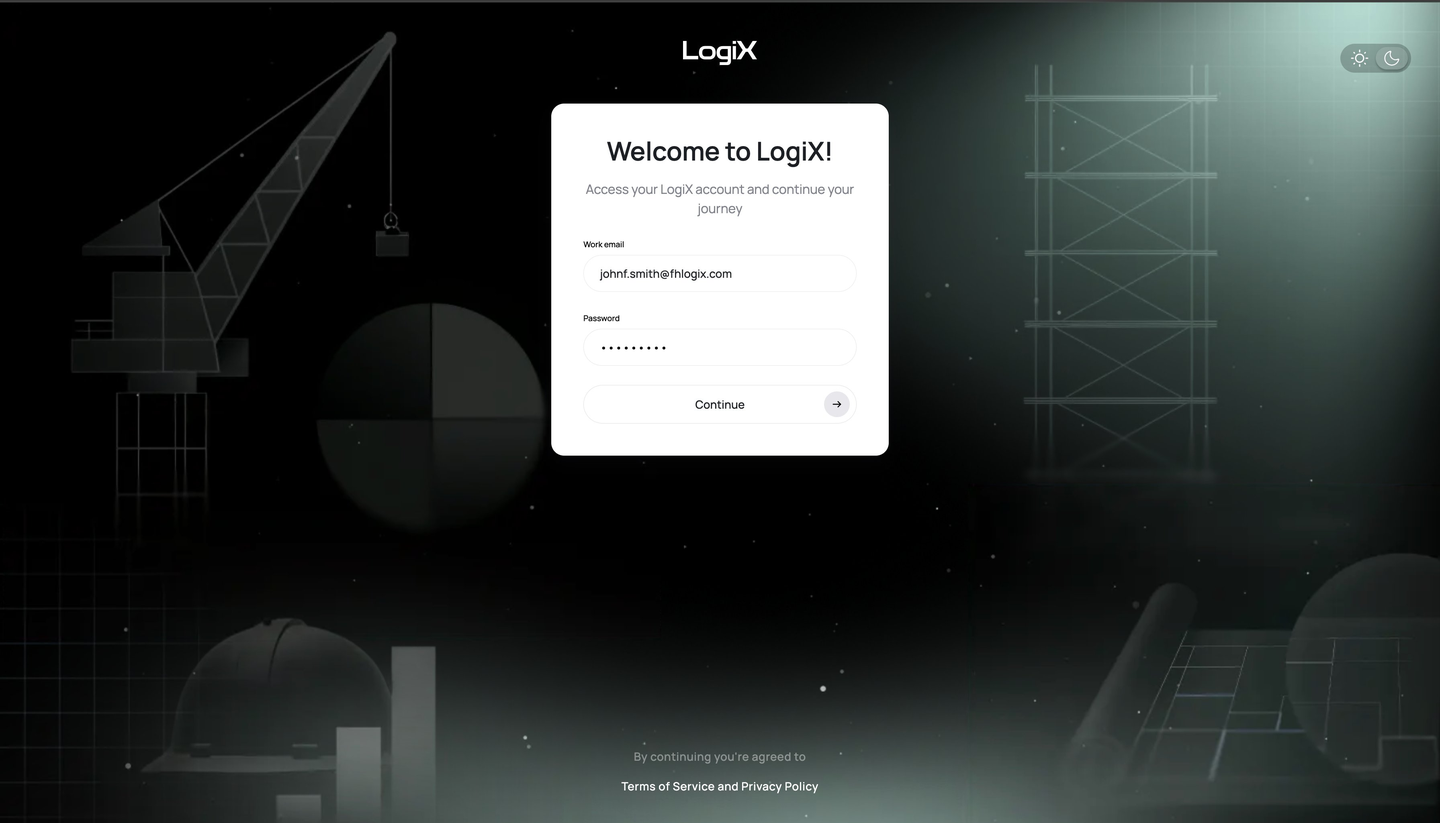
Contract Review Platform
A document management system provides a variety of add-on modules, such as a contract engine and payment engine that detect discrepancies, anomalies, and potential problems within the documents.
View case study
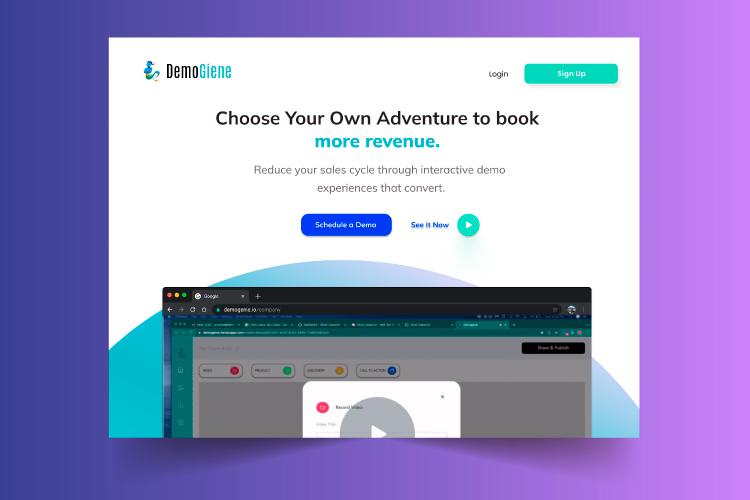
Customer Journey Platform
The platform enables teams to create interactive walkthroughs for product flows, and guided experiences while gaining valuable insights into user interactions, engagement, and behavior throughout every digital experience.
View case study
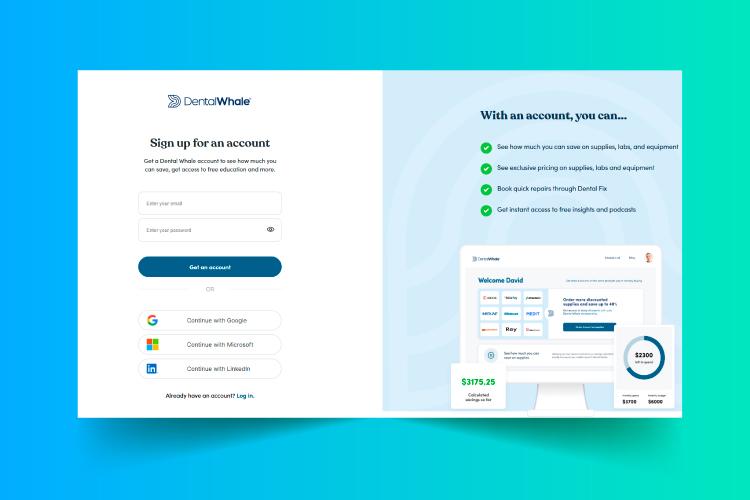
Dental Practice Management
A complete dental business management platform that enables practices to manage procurement, equipment services, laboratory workflows, training, business analytics, and practice operations efficiently from one centralized, integrated system.
View case study
Data Engineering Questions, answered.
What do data engineering services include?
They cover ingestion from your source systems, transformation pipelines, a warehouse or lakehouse model, orchestration, and the tests that flag bad data before it reaches a dashboard. Data integration engineering services, the connectors and sync jobs between systems, are usually the first phase. Most engagements also include the reporting layer analysts use day to day. We scope each layer separately, so you can stage the work instead of buying all of it at once.
Do you offer data engineering consulting services, or only full builds?
Both. Data engineering consulting services start with an audit of your sources, models, and pipeline failures, and end with a costed plan you can hand to any team. If you want the build too, wherever possible the same engineers who wrote the plan do the build.
What is the difference between data engineering and data science engineering services?
Data engineering builds the pipelines, models, and quality checks that make data usable. Data science engineering services sit on top of that layer, turning clean data into forecasts, scoring, and models that run in production.
Do we need clean pipelines before we invest in AI?
Almost always. Models trained on inconsistent or undocumented data inherit every problem in it, and the failure shows up later as quiet drift nobody catches. The usual order is to fix ingestion, definitions, and tests first, then move into model or generative AI work once the inputs are stable. If model work is the immediate need, that sits with our generative AI and custom AI development pages.
How long does a data engineering project take?
A focused pipeline or reporting layer usually takes four to eight weeks. A full warehouse rebuild with orchestration, tests, and migrated reports runs three to six months, driven mostly by how many source systems are involved. Scope and timeline are agreed after the audit, so estimates are based on your actual sources rather than assumptions.
How much do data engineering services cost?
A focused pipeline or analytics layer typically starts around $20,000. Full platforms with custom modeling, orchestration, and migrated reporting range from $50,000 to $250,000 or more, depending on data complexity and the number of integrations. Pricing is set after the audit, not before it.
Can you work with structured and unstructured data?
Yes. Structured sources like databases, warehouses, and spreadsheets are the common case. At volume this becomes big data engineering services: partitioned storage, streaming ingestion, and cost controls; data analytics engineering services then model the result for the BI layer. Unstructured content such as documents, tickets, and logs gets parsed and modeled so it can feed analytics or model training instead of sitting in storage.
Is our data safe, and will it be used to train other models?
Your data stays yours. Models are trained or fine tuned only for you, nothing is shared across clients, and your security and residency requirements shape the architecture from the first decision. Access is scoped per environment, and credentials stay in your accounts wherever possible.
Which industries get the most from data engineering services?
Industries that run on high data volume and repetitive decisions: healthcare, finance, retail, manufacturing, and logistics. The pattern is the same in each one, with many source systems, conflicting definitions, and reporting that lands too late to act on. A proper pipeline and modeling layer fixes that before any advanced analytics is worth funding.
Should we build our own data platform or buy a tool?
Buy the commodity parts: ingestion connectors, a managed warehouse, and a BI tool. Build the parts that encode your business, meaning the transformation models, metric definitions, and the checks that reflect how your teams actually operate. Most overruns come from teams building the commodity pieces and treating the business logic as a black box they bought.
Can you work with our existing warehouse and data stack?
Yes. Common stacks like Postgres, Snowflake, BigQuery, Redshift, Databricks, dbt, Airflow, Kafka, and the main BI tools are all workable. If the current setup is the actual bottleneck, we say so and scope a modernization path (see our data modernization page) rather than stacking new pipelines on a foundation that will not hold.
How do we get started with data engineering services?
Start with a discovery call, then a short audit of your sources, pipelines, and reporting. If you are comparing us with another data engineering company or data engineering services company, ask both for that audit deliverable up front. You get a written scope with phases, costs, and the first measurable outcome before any build work begins.
Get Analytics your team can rely on.
Use our no-obligation 40-hour trial to evaluate how we approach your sources, pipelines, models, and reporting requirements before committing to a larger data engineering engagement.
Latest Insights.
View all postsPractical guides from our team on data engineering, software architecture, analytics, AI, and building reliable production systems.