Web Application Development Company.
Build browser-based applications and websites with clear UX, reliable backend integrations, accessible interfaces, strong performance, and a release path your team can maintain.
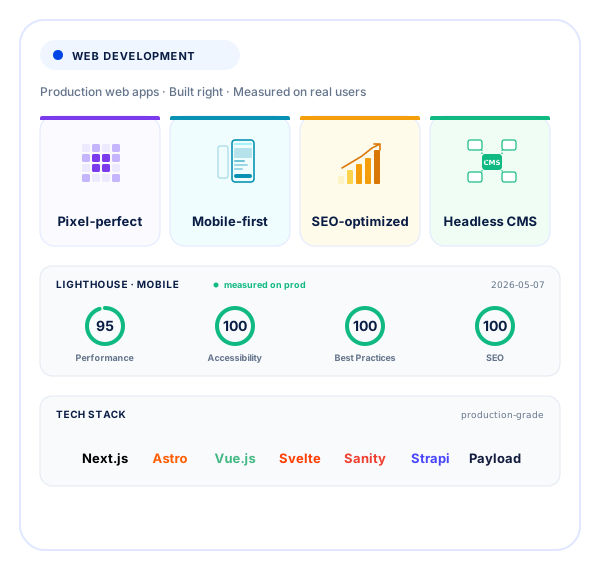
- 100+
Sites launched
- < 2.5s
LCP target
- 70+
Happy clients
- 99%
Uptime
Web Applications and Websites built for users, search, and ongoing change
A slow or hard-to-crawl site quietly costs you traffic and customers every day. We build with server-side rendering for SEO, performance budgets for speed, and a headless CMS so your team can publish without filing a ticket. The result is web experiences that hold up as you scale.
Slow user experience
Heavy pages, slow APIs, and poor rendering choices make users wait before they can read, browse, or complete a task.
Weak search visibility
Important public pages lose search visibility when rendering, metadata, internal links, or crawl behavior are handled poorly.
Content tied to engineering
Marketing and operations teams lose time when routine content or configuration changes always require engineering work.
Web Development from Interface to Production Delivery
Our web application development services include custom browser applications, frontend engineering, headless content systems, e-commerce, APIs, AI features, performance work, and post-launch support.
Custom web apps
Build customer portals, SaaS interfaces, dashboards, internal systems, and public applications with the rendering approach each route and workflow needs.
Progressive web apps
Build installable browser applications with offline behavior, background capabilities, and device-friendly interaction where a PWA fits the use case.
Frontend & SPA development
Build accessible component-based interfaces with clear state, data, and interaction patterns using the frontend stack that fits the product.
Headless CMS
Separate content management from presentation so editors can publish through tools such as Sanity, Strapi, or Contentful without changing application code.
E-commerce
Build storefronts, account areas, product discovery, checkout flows, and commerce integrations around the buying journey and operational requirements.
API integration
Integrate payments, identity, search, analytics, CRMs, external APIs, and internal services through documented interfaces.
AI-powered features
Add search, assistants, recommendations, or content workflows when AI improves a defined web experience rather than adding novelty.
Support & maintenance
Maintain dependencies, hosting, performance, content integrations, defects, and planned releases after the application goes live.
Our Web Application Development process, from discovery to launch.
A web development process that connects user flows, content, frontend architecture, backend integrations, performance, accessibility, and production delivery.
- 01
Discovery
We map users, public and private routes, content needs, integrations, data, permissions, and the goals for the first release.
- 02
Design
We design the main workflows, responsive behavior, content patterns, and reusable interface components before the screen count expands.
- 03
Build
We build frontend, backend, CMS, and integrations in short iterations with working environments available for review.
- 04
Optimize
We test performance, accessibility, metadata, crawl behavior, forms, browser support, and important failure cases before release.
- 05
Launch
We release through a repeatable deployment process with analytics, monitoring, redirects, and search tooling configured where relevant.
- 06
Support
We continue with content-system changes, performance work, feature releases, dependency updates, and production support as needed.
Technology for Modern Web Products.
We choose frontend, backend, content, data, commerce, and deployment technologies according to user needs, search requirements, integrations, and long-term ownership.
Web products built for Real Use.
A web application has to work for users, search engines, editors, and the engineering team that maintains it. We treat those as product requirements rather than post-launch cleanup.
Performance built into architecture
Rendering, assets, data loading, caching, and monitoring are planned around measurable performance targets.
Search requirements handled in code
Public routes use the rendering, metadata, structured data, internal linking, and crawl controls required for search visibility.
Content teams stay independent
Content models, previews, and editorial workflows are designed so non-engineering teams can manage routine publishing independently.
Accessibility in the build
Keyboard use, semantic structure, contrast, focus behavior, and assistive-technology considerations are part of interface implementation and testing.
Industries we serve
Web requirements turned into Working Products.
View all case studiesExplore web products where our engineers solved interface, content, integration, performance, accessibility, and production challenges.
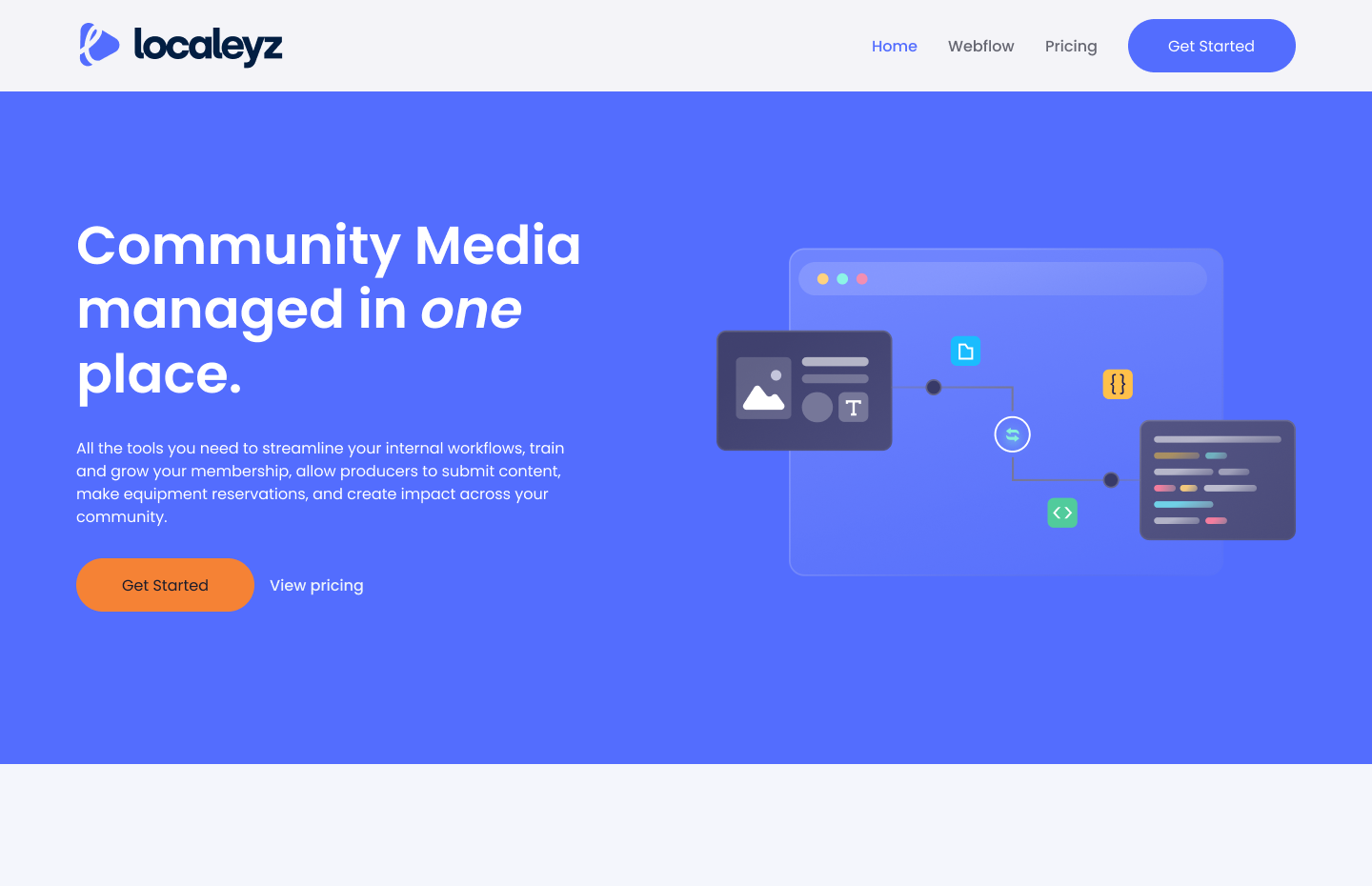
Centralizing Sales Communication with an AI-Powered CRM System
An AI-powered CRM that brings calls, WhatsApp, SMS, and email into one platform, automatically captures leads, triggers follow-ups, and gives sales managers complete visibility into pipeline performance and team activity.
View case study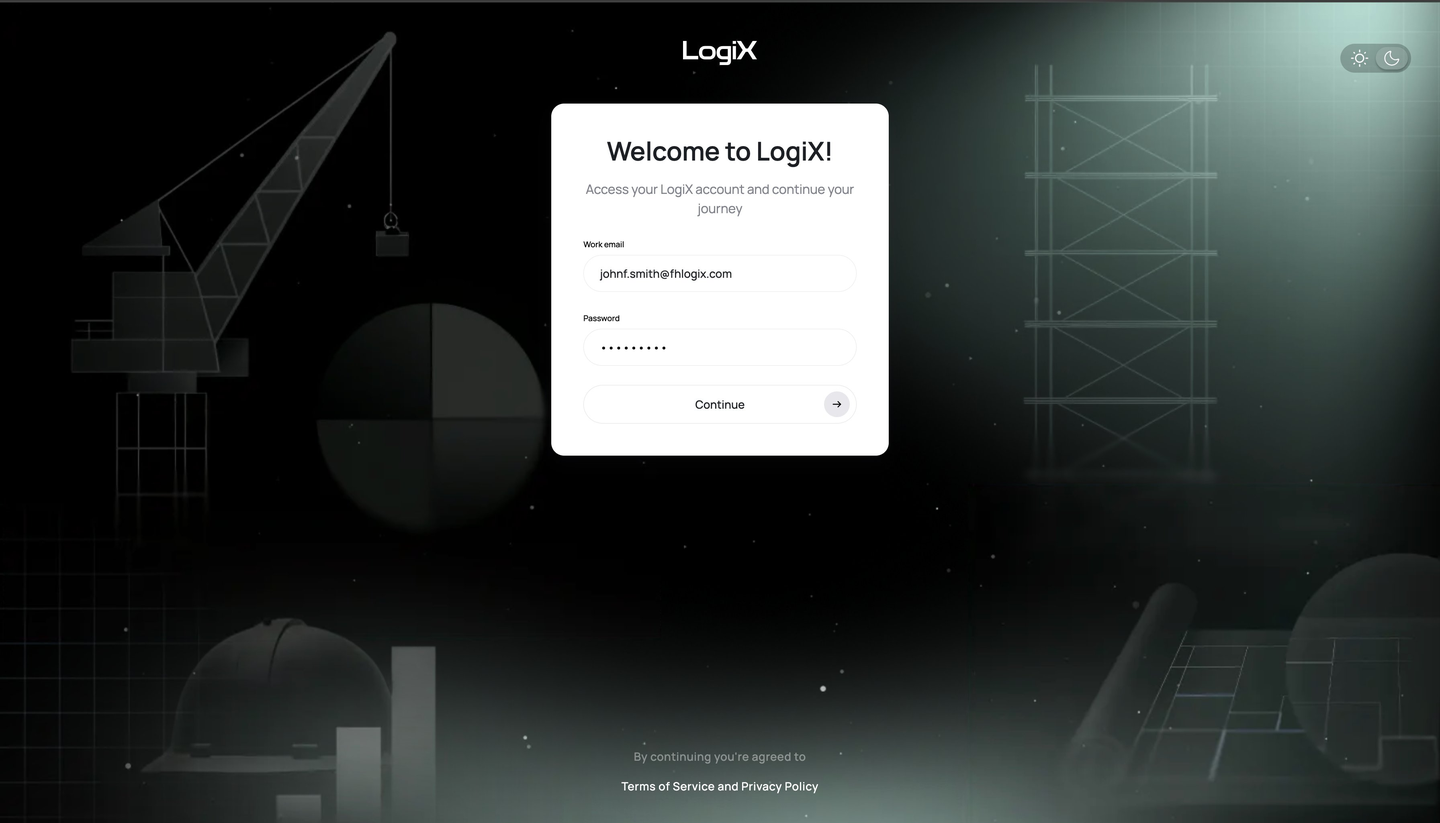
Contract Review Platform
A document management system provides a variety of add-on modules, such as a contract engine and payment engine that detect discrepancies, anomalies, and potential problems within the documents.
View case study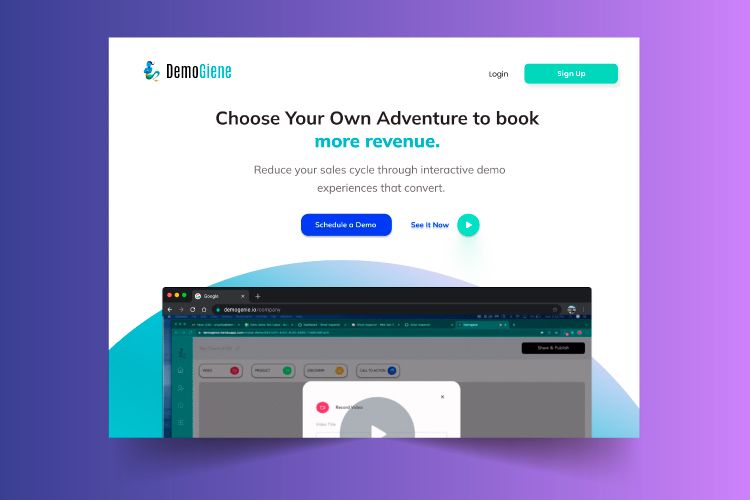
Customer Journey Platform
The platform enables teams to create interactive walkthroughs for product flows, and guided experiences while gaining valuable insights into user interactions, engagement, and behavior throughout every digital experience.
View case study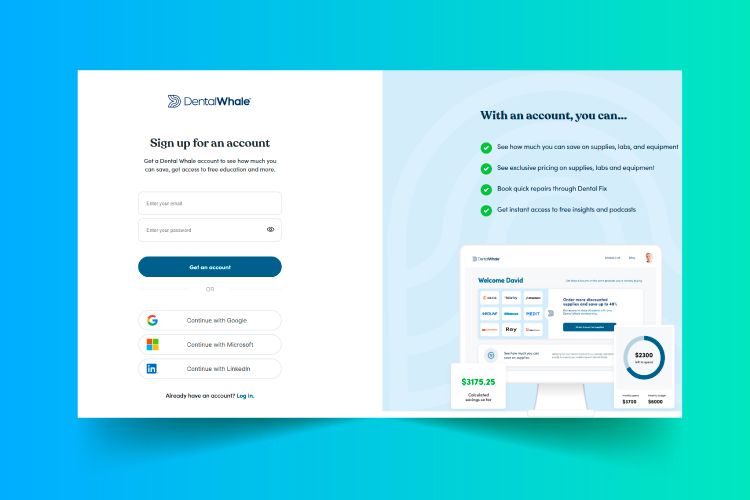
Dental Practice Management
A complete dental business management platform that enables practices to manage procurement, equipment services, laboratory workflows, training, business analytics, and practice operations efficiently from one centralized, integrated system.
View case study
Web Application Development questions, answered.
What is web application development?
Web application development is the design, build, and launch of software that runs in a browser and carries real business logic, from a login-protected dashboard to a customer portal. It covers the interface, the backend services, the database, and the integrations between them, plus the testing and deployment pipeline a production build needs.
How much does custom web application development cost?
Most custom web application development projects run $25,000 to $150,000 depending on features, integrations, and compliance requirements. A focused marketing site is usually $5,000 to $20,000. Any web app development company that quotes a single figure before discovery is guessing, so we agree scope and estimate after a discovery call, and larger platforms are phased so you fund one release at a time.
What are the stages of web development?
Discovery, design, build, optimization, launch, and ongoing support. Each stage ends with your sign-off before the next one starts, and on build phases you typically get a working staging deploy every two weeks rather than one reveal at the end.
What are the types of web development?
Frontend, backend, and full-stack, plus specializations like headless CMS builds, e-commerce, and data-heavy internal tools. Most projects need a mix: an interface people actually enjoy using, and services behind it that stay correct under load.
How long does it take to build a web application?
A focused marketing site takes four to eight weeks. A custom web application usually takes three to six months, with a usable first release in eight to twelve weeks. Scope, third-party integrations, and how quickly decisions get made are the three things that move the date.
What is the difference between a website and a web application?
A website mainly publishes content and is judged on speed, findability, and conversion. A web application does work for a signed-in user: it holds state, enforces permissions, and talks to other systems. We build both, and the choice changes the architecture, the testing effort, and the budget.
How do you choose a web application development company?
Ask to meet the engineers who will write your code rather than an account team, and check they have run products in production, not just launched them. A custom web development company should be able to show you a live codebase, not only a portfolio. Get scope, estimates, and change handling in writing, and confirm the repository and cloud accounts are in your name. We start with a 40-hour paid trial on real backlog work, which is the cheapest way to judge a partner's code before signing a long contract.
Do you build enterprise web applications?
Yes. Enterprise web applications add single sign-on, role-based permissions, audit logging, separate environments, and integrations with systems that cannot change. As an enterprise web application development company we design those constraints in at the architecture stage, because retrofitting access control and audit trails later is what turns a build into a rewrite. Delivery is still phased, so the first release ships in weeks rather than after the whole platform is done.
Should we build a custom web app or buy an off-the-shelf platform?
Buy when your process is standard and a mature product already fits, because maintenance and compliance come with the subscription. Build when the workflow itself is your advantage, when the integrations get ugly, or when per-seat pricing outgrows the cost of owning the software. A practical test: if you are paying people to work around a tool, the workaround cost is usually the number to compare against a build, and we will model both with you before you commit.
What technology stack do you use for web app development?
React and Next.js on the frontend, Node.js or Python services on the backend, PostgreSQL for data, and AWS or Vercel for hosting. We choose from a small, boring set we can support for years instead of the newest framework, and we document why each piece was picked so your team can take it over.
Are you a web development company in the USA?
Yes. Coding Crafts is a US registered company working with clients across the United States, and our engineers keep hours that overlap the US working day. If you are comparing us with any other web application development company in the USA, ask the same questions of both: who writes the code, who owns the accounts, and what handover looks like. Contracts, invoicing, and IP assignment are handled under US terms.
How do you handle SEO and performance?
Pages render on the server and ship clean schema markup so they are fast and findable. We set Core Web Vitals budgets at the start and hold the pages we build to them before launch; third-party scripts and content added later can move the numbers, so we hand over the budget and how to check it.
Who owns the code and the accounts?
You do. The code, the design, the content, and the analytics belong to you, hosted on accounts in your name. If we ever part ways, you lose nothing.
Build your Web Application around real user workflows.
Use our no-obligation 40-hour trial to evaluate how we approach one real web application, interface, performance, CMS, or integration problem before committing to a larger engagement.
Latest Insights.
View all postsPractical guides from our team on web application development, frontend architecture, performance, accessibility, content systems, and production delivery.