Low Code and No Code Development Services.
Build MVPs, internal tools, portals, and workflow automations with low-code and no-code platforms when speed matters more than custom architecture, with an exit path planned from the start.
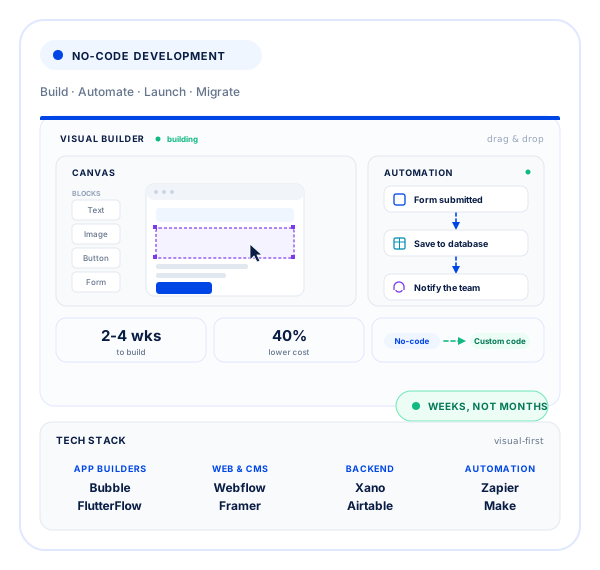
- 2-4 wksTo build
- 40%Lower cost
- 100+Builds delivered
- 10+Years experience
Working Tool for Faster First Releases
Low-code and no-code platforms are visual development environments that let you build real applications with minimal hand-coding. We use them to get you to market fast and cheap, and we'll tell you honestly when an idea has outgrown no-code and deserves a custom build.
Too Much Engineering Too Early
Some workflows need a working tool in weeks, not a full custom software project before anyone can test the process.
Manual Work Between Tools
Teams lose time moving information between forms, spreadsheets, inboxes, and systems that do not share a workflow.
Platform Lock-In
A fast platform choice becomes expensive when the data model, ownership, and migration path were never considered.
Low Code and No Code Services from MVP to Automation
Our low code and no code development services include web apps, internal tools, MVPs, workflow automation, marketing sites, integrations, and migration planning when a platform reaches its limits.
- Core service
No-Code Web Apps
Build web applications with user accounts, workflows, data models, permissions, and integrations on visual development platforms.
No-Code MVPs
Launch the smallest usable product quickly and test demand before committing to a larger custom build.
Internal Tools
Replace spreadsheet-heavy processes with dashboards, admin tools, portals, and operational workflows built around the team that uses them.
Workflow Automation
Move data and actions between business systems using platform integrations, APIs, Zapier, Make, and custom logic where needed.
Webflow Sites
Build structured Webflow sites that marketing teams can update without waiting for an engineering release.
Migration Path
Plan data ownership, exports, integrations, and replacement boundaries so growth does not turn the first platform into a permanent constraint.
From Workflow to No Code Development.
A platform-first process that starts with the workflow and data model, selects the least restrictive tool, builds the first useful release, and documents how the system can evolve or migrate later.
Scope
We map the workflow, users, data, permissions, integrations, and the smallest release that solves the immediate problem.
Platform Pick
We compare platform limits, pricing, data ownership, integration options, and maintenance before choosing the build approach.
Build
We build the application, data model, interfaces, and logic in short review cycles using the selected platform.
Automate
We connect the systems involved and automate repeatable steps so staff do not need to move the same information by hand.
Launch
We launch the tool with the required permissions, monitoring, documentation, and a clear process for changes after release.
Scale or Migrate
We extend the platform where it still fits or move selected parts to custom software when limits, cost, or complexity justify the change.
Platforms and Tools for Low-Code Delivery.
We choose visual development, backend, automation, and integration tools according to the workflow, data ownership, platform limits, and the level of control the business needs.
- App builders
 Bubble
 FlutterFlow
 Glide
Glide- Softr
- Web & CMS
 Webflow
 Wix
Wix WordPress
 Framer
- Backend & data
- Xano
 Airtable
 Supabase
 Notion
- Automation
 Zapier
 Make
Make n8n
n8n- Integrately
Built for Speed Without Lock-In.
The fastest build is only useful if the platform still fits six months later. We make the tradeoffs visible before development begins and keep ownership with your team.
Faster First Release
Visual platforms reduce the amount of custom engineering needed for common workflows, which shortens the path to a usable first release.
Smaller Initial Investment
Use a smaller initial build to test demand or operational value before funding a larger software project.
Platform Fit First
We recommend custom development instead when the workflow needs performance, control, complex logic, or data requirements the platform handles poorly.
A Planned Exit Path
Data exports, APIs, account ownership, and replacement boundaries are considered early so the business has options later.
- Startups
- SMBs
- Operations
- Marketing
- Non-profit
- Internal IT
Manual Workflows Turned into Working Systems.
Explore products and systems where our team simplified workflows, connected business tools, and turned product ideas into software people could use.
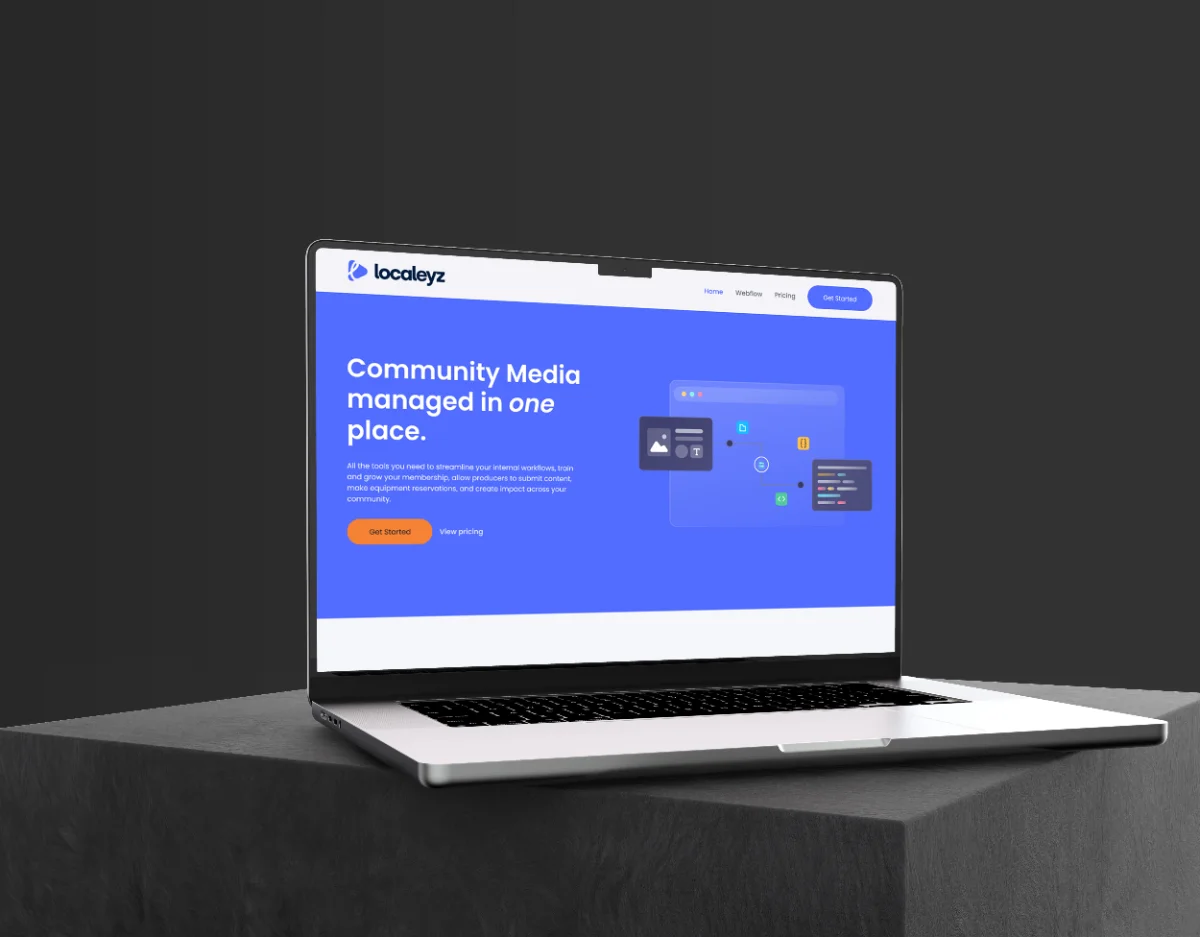 Featured · Sales & Marketing
Centralizing Sales Communication with an AI-Powered CRM System
An AI-powered CRM that brings calls, WhatsApp, SMS, and email into one platform, automatically captures leads, triggers follow-ups, and gives sales managers complete visibility into pipeline performance and team activity.
View case study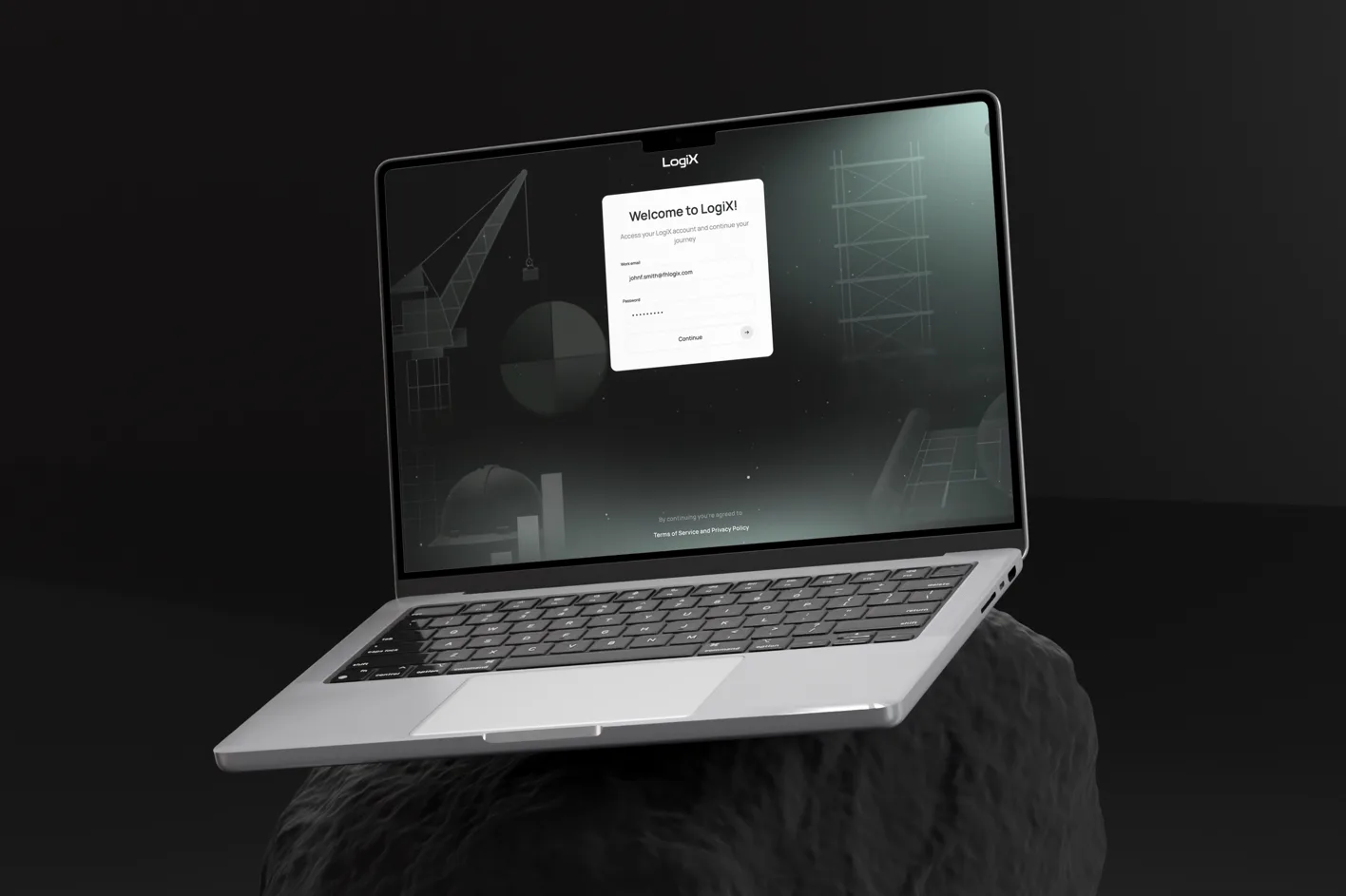 Featured · Finance
Contract Review Platform
A document management system provides a variety of add-on modules, such as a contract engine and payment engine that detect discrepancies, anomalies, and potential problems within the documents.
View case study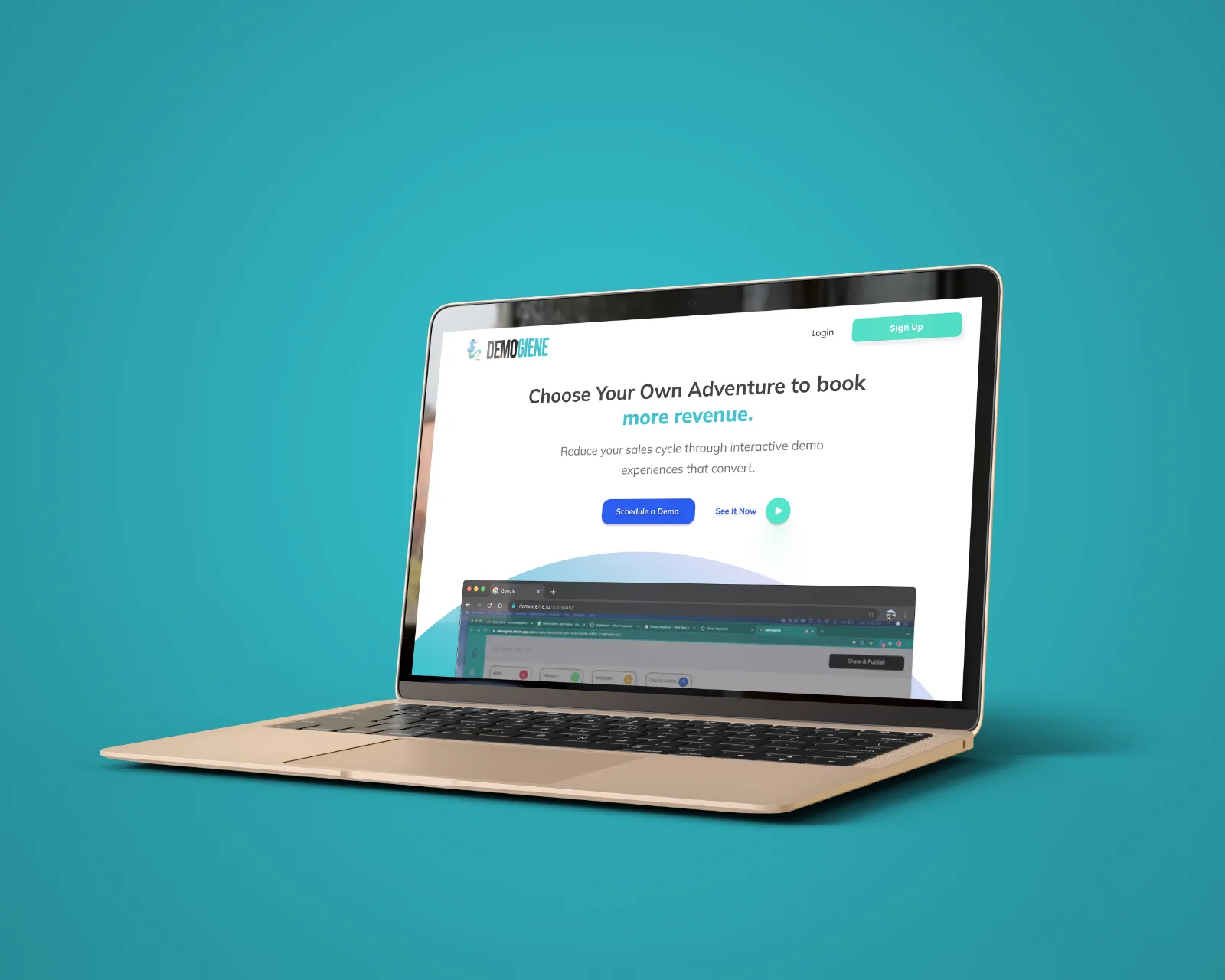 Featured · Marketing
Customer Journey Platform
The platform enables teams to create interactive walkthroughs for product flows, and guided experiences while gaining valuable insights into user interactions, engagement, and behavior throughout every digital experience.
View case study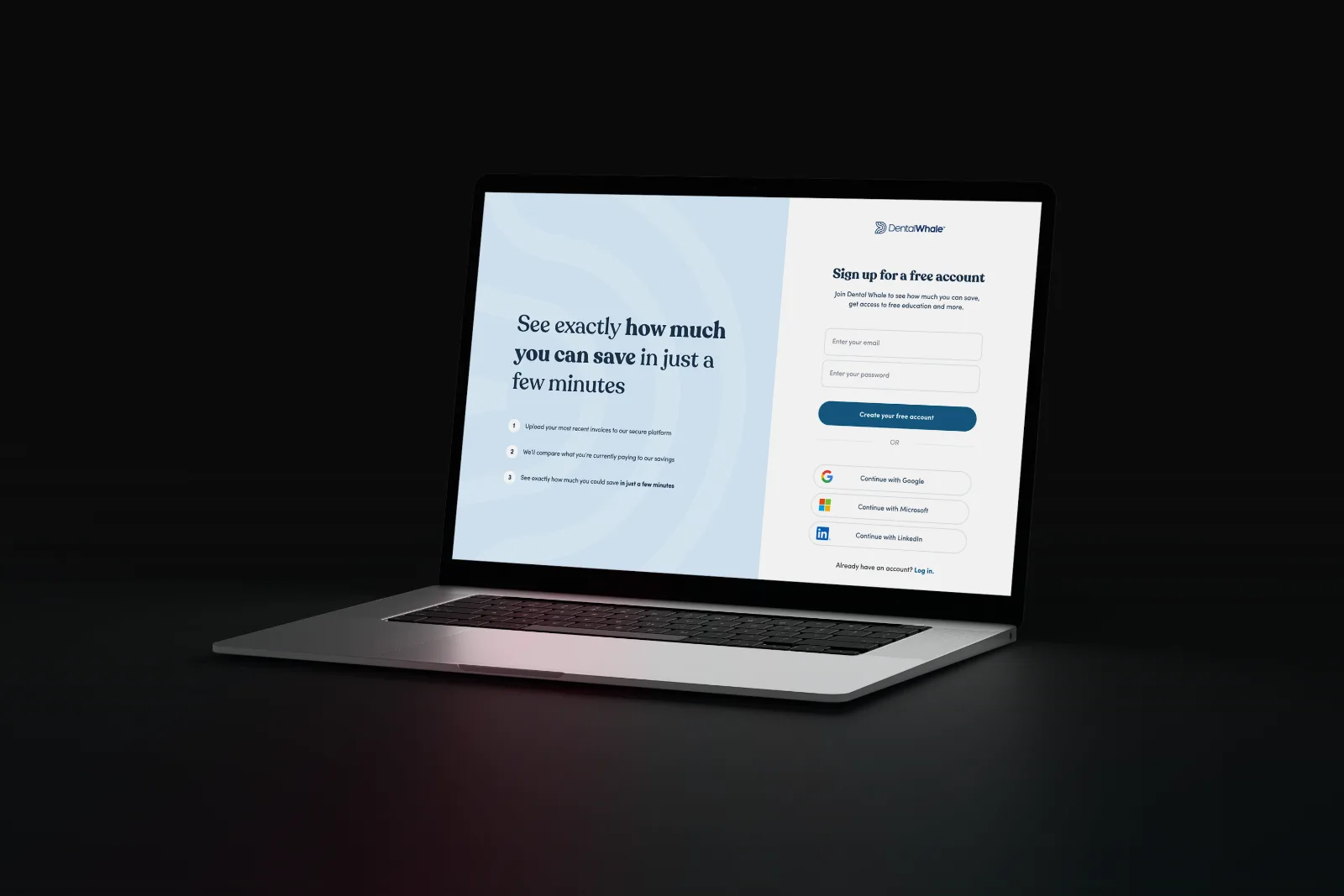 Featured · Healthcare
Dental Practice Management
A complete dental business management platform that enables practices to manage procurement, equipment services, laboratory workflows, training, business analytics, and practice operations efficiently from one centralized, integrated system.
View case study
Low Code and No Code Development Questions, Answered.
No code development means building working software with visual, configurable tools instead of hand-written code. You model the data, logic, and screens inside a platform, then connect integrations and publish. It fits internal tools, MVPs, and workflow automation where speed matters more than custom architecture.
Choose the Simplest Build That Solves the Problem.
Start with a no-obligation 40-hour trial and see how we build flexible, scalable applications using modern no-code and low-code platforms. If the work earns your confidence, pay for it and keep going. If it does not, you owe nothing.
- Response
- Within 24 hours
- First call
- Free 30-min scope
- Engagement
- Fixed-scope or T&M
- Handover
- Code + docs, always
Latest Insights.
Practical guides from our team on low-code platforms, workflow automation, MVPs, software architecture, and deciding when custom code is worth the investment.