Mobile App Development Company.
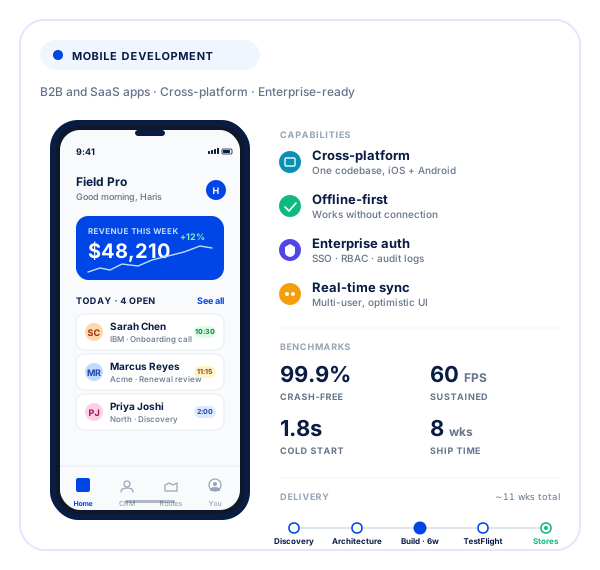
Build iOS, Android, and cross-platform mobile apps from product planning and UX through development, store launch, and post-release support.
- 100+
Apps shipped
- 4.9★
Avg rating
- 99%
Crash-free
- 10+
Years experience
Mobile Apps Built for Real Use, from first release to long-term support.
Mobile projects get expensive when teams choose the wrong platform approach, underestimate device testing, or leave store requirements until launch. We plan the product, choose the delivery path, test on real devices, and manage release requirements from the start.
Wrong platform choice
Choosing native or cross-platform without considering features, performance, team skills, and long-term maintenance often creates avoidable rework.
Poor mobile experience
Slow screens, unclear navigation, and unreliable flows make users leave before the app becomes part of their routine.
Release delays
Missing privacy details, signing issues, policy requirements, and store metadata delay releases when teams address them too late.
Mobile App Services from Product Planning to Post-Launch Support.
Our custom mobile app development services include native iOS and Android development, cross-platform builds, modernization, mobile UX, store releases, and ongoing support.
iOS development
Build native Swift and SwiftUI applications for iPhone and iPad with direct access to Apple platform features.
Android development
Build native Kotlin applications designed for Android device diversity, current platform APIs, and Play Store delivery.
Cross-platform
Use React Native or Flutter when one shared codebase fits the product, performance needs, and maintenance plan.
App modernization
Upgrade aging mobile products through architecture cleanup, dependency updates, performance work, and phased interface improvements.
UI/UX for mobile
Design clear mobile flows around the tasks users need to complete quickly on smaller screens.
Maintenance & support
Keep the app current through OS updates, crash monitoring, performance work, dependency maintenance, and planned feature releases.
Enterprise Mobile App Development built for security and integration requirements.
Enterprise mobile apps need security, access control, managed distribution, auditability, and integration with existing business systems. We account for those requirements before development reaches production.
- 01
SSO and SAML sign-in
Integrate sign-in with systems such as Okta, Entra ID, or Google Workspace and document session and token handling for security review.
- 02
Role-based access control
Model permissions around roles and least privilege and enforce them in backend services instead of relying only on interface controls.
- 03
Managed distribution
Release through public stores or managed distribution tools such as Intune or Jamf according to the organization's device strategy.
- 04
Audit trails and logging
Capture important user and system actions server-side with timestamps and records that teams can use during reviews and audits.
- 05
Environment separation and pen-test support
Keep development, staging, and production separate and track security findings through remediation before release.
- 06
Systems-of-record integration
Integrate systems such as Salesforce, SAP, and internal APIs through documented interfaces and the organization's change process.
Our Mobile App Development process, from scoping to store launch
A structured mobile app development process that moves from product scope and UX through development, device testing, store release, and post-launch support.
- 01
Strategy & planning
We identify users, core workflows, integrations, platform requirements, and the goals for the first release.
- 02
Design
We map the mobile experience and review key flows before development begins.
- 03
Development
We build in short iterations and provide installable TestFlight or internal Android builds for regular review.
- 04
Testing
We combine automated tests with real-device testing for supported OS versions, screen sizes, permissions, and failure cases.
- 05
Deployment
We prepare signing, store metadata, privacy details, submission, review responses, and staged production release.
- 06
Support
We monitor crashes and performance, handle platform updates, and plan improvements from production usage and feedback.
Technology for Mobile Products.
We choose native, cross-platform, backend, and mobile-service technologies according to product requirements, device features, integrations, and long-term maintenance.
Mobile products built with Ownership.
We build mobile products around the platform decision, user experience, release requirements, code ownership, and maintenance work that continue after launch.
Platform choice with a reason
We choose native, Flutter, or React Native according to the product requirements and maintenance plan instead of forcing one default stack.
Mobile UX built for use
Mobile flows are designed around clear user tasks, simple navigation, accessibility, and the behaviors the product needs to encourage.
Launch handled
Signing, store requirements, release preparation, and review responses are part of the delivery process.
Built to maintain
Clear architecture, tests, documentation, and dependency maintenance make the app easier to update as platforms and features change.
Industries we serve
Mobile product challenges turned into Working Software.
View all case studiesExplore digital products where our engineers solved mobile UX, integration, performance, reliability, and product challenges for clients.
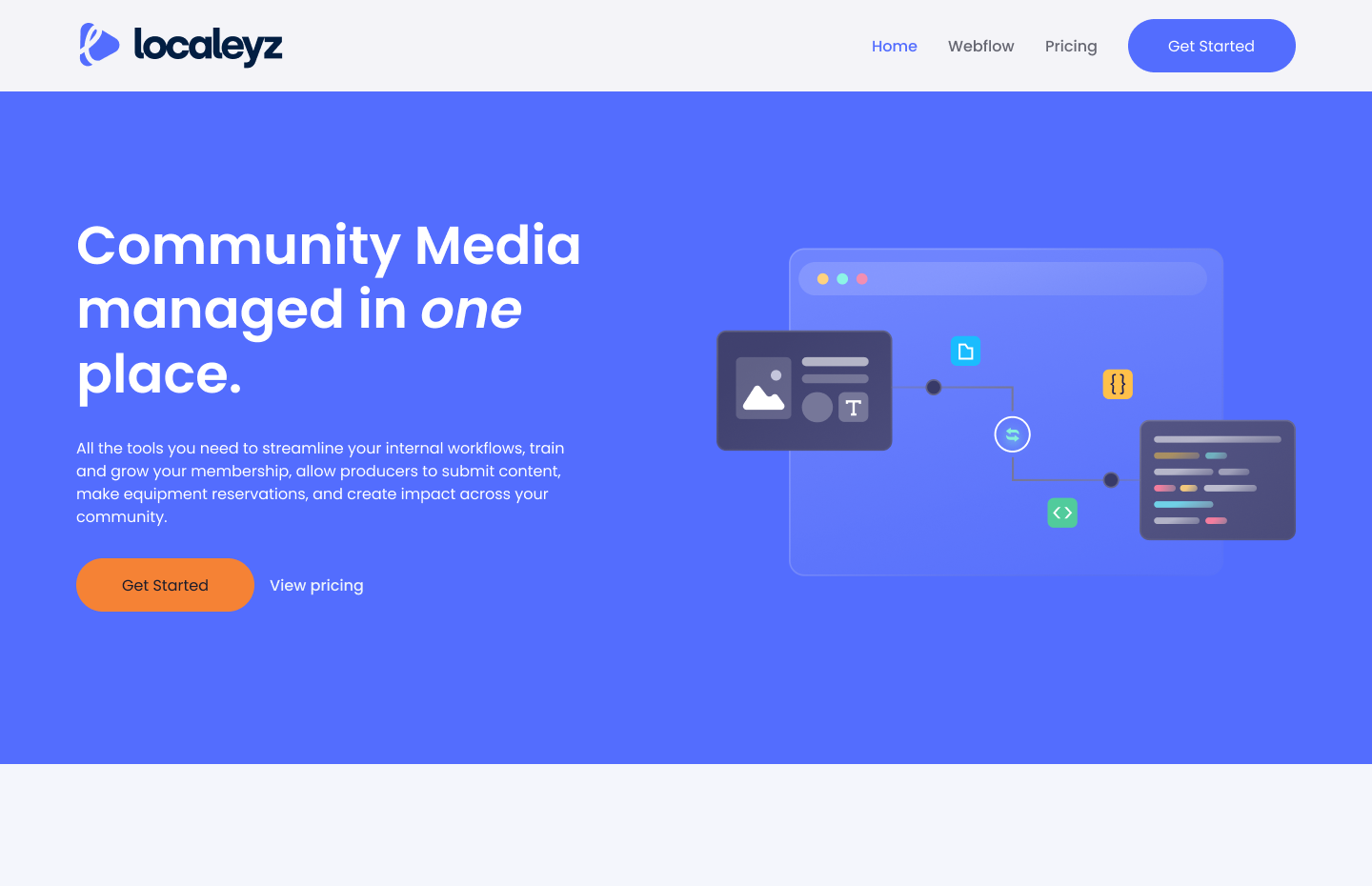
Centralizing Sales Communication with an AI-Powered CRM System
An AI-powered CRM that brings calls, WhatsApp, SMS, and email into one platform, automatically captures leads, triggers follow-ups, and gives sales managers complete visibility into pipeline performance and team activity.
View case study
Contract Review Platform
A document management system provides a variety of add-on modules, such as a contract engine and payment engine that detect discrepancies, anomalies, and potential problems within the documents.
View case study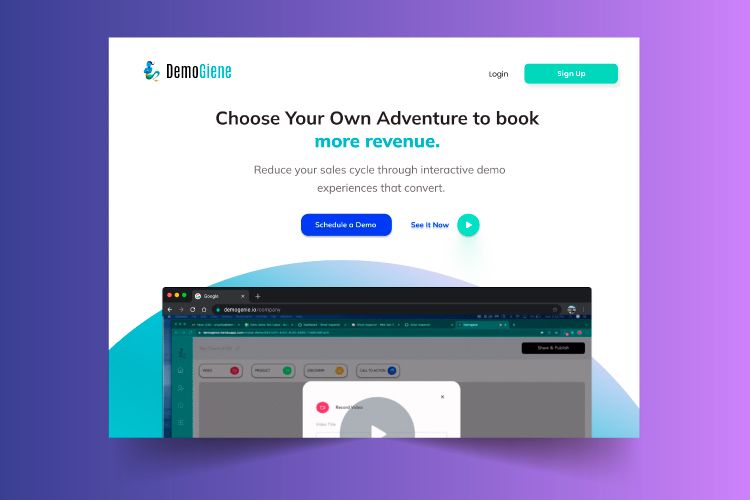
Customer Journey Platform
The platform enables teams to create interactive walkthroughs for product flows, and guided experiences while gaining valuable insights into user interactions, engagement, and behavior throughout every digital experience.
View case study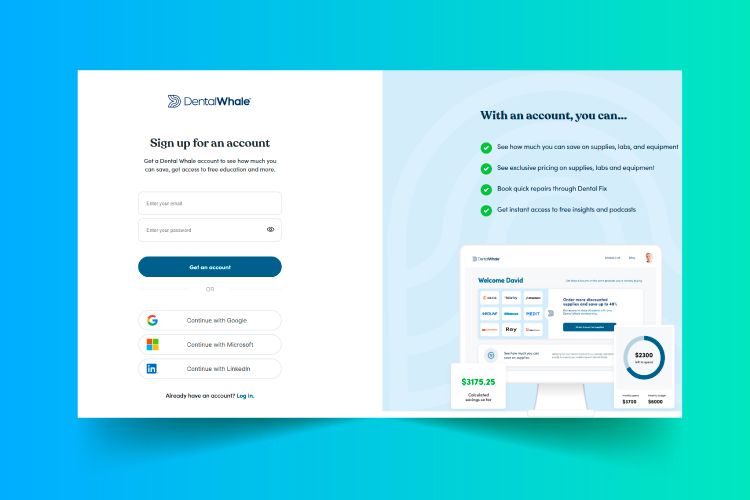
Dental Practice Management
A complete dental business management platform that enables practices to manage procurement, equipment services, laboratory workflows, training, business analytics, and practice operations efficiently from one centralized, integrated system.
View case study
Mobile App Development questions, answered.
What is mobile app development?
It is the design, build, testing, and release of software that runs on iOS and Android devices, plus the backend APIs the app depends on. A mobile app development company owns all of that, from product scoping and UI design through store submission and post-launch fixes. The work does not stop at launch, because each OS release can break something that used to work.
How much does mobile app development cost?
A small, single-purpose app can start around $5,000. Custom products with integrations, user roles, and offline behavior run into six figures depending on feature count, design depth, and how many platforms you ship. We scope the build in phases, so you approve cost before each block of work starts.
Native or cross platform, which is right for my app?
Native is the safer choice for graphics, camera, or sensor heavy products that need every bit of device performance. Cross platform mobile app development, usually React Native or Flutter, ships to both stores from one codebase and costs less to maintain, which is why a cross platform mobile app development company is the right fit for most business apps. We recommend based on your feature list and roadmap, not on who we have free.
What are the 5 phases of app development?
Strategy and scoping, design, development, testing, and release. Each phase ends with something you can open and sign off on, not a status report. Anything discovered mid-phase gets priced and scheduled before it enters the build.
How long does it take to build a mobile app?
A focused first version usually takes two to four months. A full featured product with integrations and admin tooling takes longer, so the usable core ships early and grows in two week releases. Store review usually adds a few days to a release, which the schedule accounts for.
Do you publish to the App Store and Play Store?
Yes. We handle submission, review responses, signing, and release for both stores, including the metadata and privacy disclosures that trip up many submissions. We set the store accounts up under your organisation, and our contracts assign the code to you.
Do you offer post-launch maintenance?
Yes, under a support agreement: OS and SDK update support, crash monitoring, performance work, and scheduled feature releases. Most teams keep a small monthly block of engineering hours reserved, so urgent fixes have capacity already allocated. Response targets are set in the support agreement.
Do you build healthcare mobile apps?
Healthcare mobile app development starts with HIPAA obligations rather than retrofitting them: encryption in transit and at rest, audit logging, role based access, least privilege on patient data, and hosting on infrastructure covered by a business associate agreement where one is in place. HIPAA compliance is a program you own; we build to it rather than certify it. The data model and access rules get designed with your compliance lead before the first screen is built.
How do I choose a mobile app development company?
Ask to see production apps the team actually shipped, then ask who wrote them and whether those engineers are still available. The best mobile app development company for your project is the one that shows you a live codebase rather than screenshots, and any mobile app development company in the USA should be able to name the engineers who will be in your standups. Check that the estimate comes with a written scope, a named team, and a release plan instead of one number. A short paid pilot on real work tells you more than any deck will. We are a US registered company, and our engineers keep daily overlap with US business hours.
Do you handle enterprise mobile app development?
Yes, and as an enterprise mobile app development company we plan for it from the first sprint. Enterprise mobile app development usually means SSO, role based permissions, managed device distribution, audit trails, and integrations with systems of record such as Salesforce, SAP, or an internal API layer. We work inside your security review and change process, and document handover so an internal team can own the codebase later.
Should we start with an MVP or build the full app?
Start with the smallest version that lets a real user finish a real task, then let usage decide what comes next. Building the full feature list up front usually means paying to maintain screens nobody opens. A first release scoped around one core job usually lands in the two to three month range, at the fast end of the timeline above, and still expands later. If that first release is the whole project, see our MVP development page.
Can you take over an existing app from another team?
It starts with a short audit of the codebase, build pipeline, store accounts, and crash data, followed by a written list of what is safe, what needs rework, and what each option costs. From there the app either gets stabilized in place or replaced in stages.
Build a Mobile App built for real users and real devices.
Use our no-obligation 40-hour trial to evaluate how we approach your mobile product, architecture, UX, integrations, or existing codebase before committing to a larger engagement.
Latest Insights.
View all postsPractical guides from our team on mobile development, product engineering, UX, app architecture, releases, and reliable digital products.